
An attic can remain very hot even with a ridge vent because the vent depends on clear soffit intake, appropriate sizing, and a continuous airflow path. Sun-heated roofing also warms the attic by radiation, so a vent does not make it the same temperature as an air-conditioned room. Blocked eaves, poor ceiling insulation, and air leaks from living spaces can make upstairs rooms uncomfortable even when the ridge vent itself is functioning. Ask for a complete attic assessment before paying to install more exhaust vents.
What a ridge vent can and cannot do
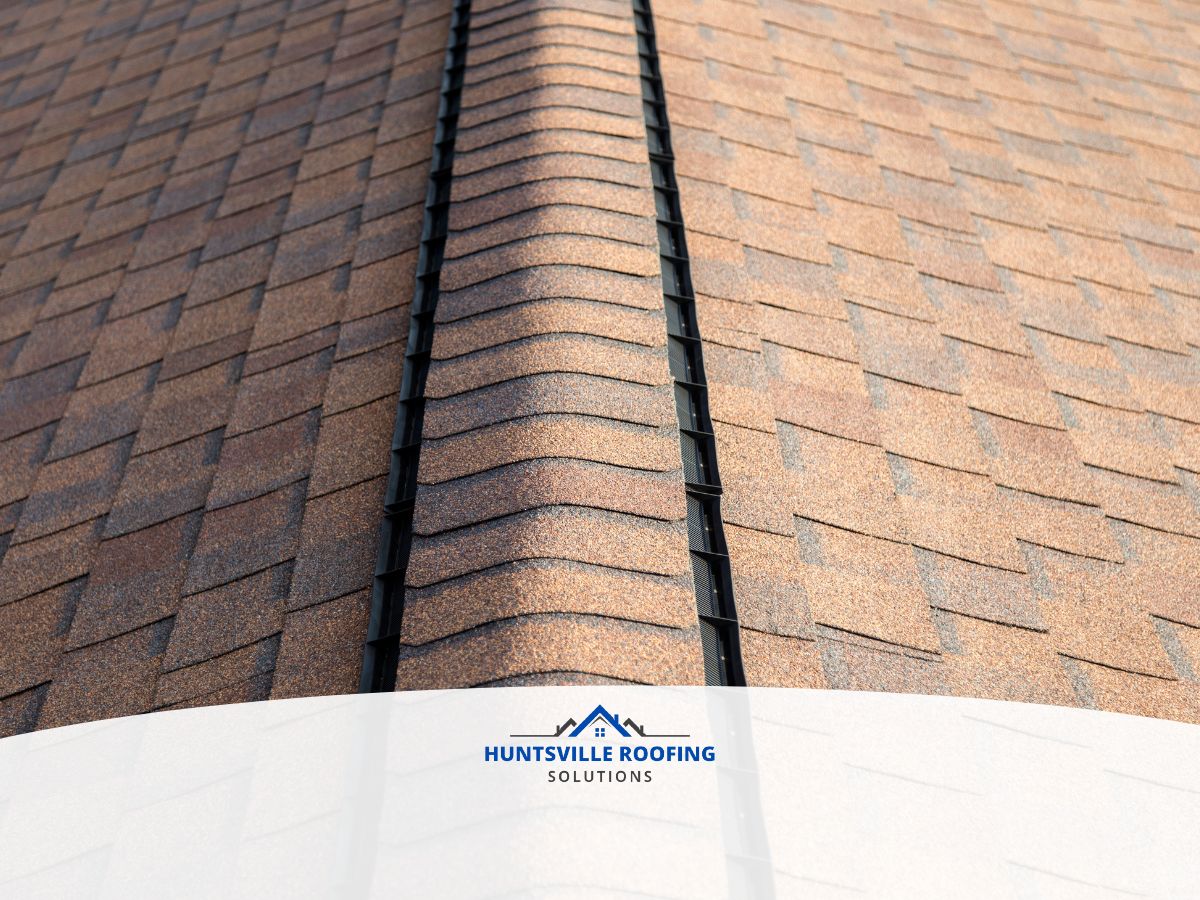
A ridge vent lets warm air leave near the high point of a properly ventilated roof. It does not provide refrigeration or remove the radiant heat coming through sun-exposed decking. Summer attic air can still be significantly warmer than outside. The more useful question is whether the ventilation design works as intended and whether heat is reaching conditioned rooms through insulation gaps or an unsealed attic hatch.
The first check: can air enter at the soffits?
If the eaves have small intake openings or insulation blocks them, the ridge vent may struggle to draw replacement air. Baffles preserve the air channel between the soffit and roof deck. Painted or clogged soffits can also restrict flow. A roofer or qualified energy professional can compare published vent net free areas and inspect accessible paths. Adding a second high exhaust may not fix a missing low intake.
How insulation and air leaks affect upstairs comfort
Ceiling insulation slows heat transfer from the attic into living areas, while air sealing reduces unintended exchange through light fixtures, ceiling joints, and attic access doors. A hot bedroom can reflect inadequate insulation or a leaky ceiling even if attic ventilation is reasonably balanced. Ductwork running through a hot attic can add another source of unwanted heat gain. The best correction may involve the thermal boundary rather than the roof covering.
When to suspect moisture instead of heat alone
Attic stains, damp insulation, nail rust, or a musty odor deserve investigation. Warm, humid indoor air escaping into the attic can condense under some conditions; a leaking vent flashing can also wet the same materials. A ventilation change that ignores the water source can make the problem harder to diagnose. Ask the inspector to distinguish heat-load complaints from observed moisture damage rather than treating both as proof the ridge vent is defective.
North Alabama trees, sun exposure and roof shape
A south- or west-facing roof can receive intense afternoon sun while shaded slopes behave differently. Dormers, low ridges, and disconnected attic cavities can affect circulation. A roofer should check whether the ridge vent serves every area that needs airflow; some small roof pockets may require separate planning. Comparative temperature readings are most useful when accompanied by outdoor conditions and an explanation of what was measured.
What to ask before approving improvements
Request inspection photos of the soffit openings and baffles, a ventilation NFA calculation, and an evaluation of insulation and attic air sealing. If the attic houses HVAC ducts, include a qualified HVAC assessment where relevant. Ask the contractor to distinguish changes that improve roof moisture management from changes expected to improve room comfort. A ridge vent can be working normally even when the attic feels hot to a person standing inside it.
Further reading and next steps
For the related decisions and roofing components, these published Huntsville Roofing Solutions guides offer additional context:
- how attic ventilation affects shingle durability
- insulation and roofing interaction
- ridge versus box vents explained
- Tennessee Valley heat and humidity effects
Industry reference: ENERGY STAR attic ventilation guidance. Confirm product-specific instructions and applicable local requirements before making changes.
Huntsville Roofing Solutions serves Huntsville and surrounding North Alabama communities. An educational article cannot diagnose a particular roof without inspection; a repair recommendation should be supported by observed conditions, appropriate materials, and a written scope.
Jordan is the founder and owner of Huntsville Roofing Solutions, a locally owned, fully licensed and insured roofing company serving Huntsville and North Alabama. He and roofing supervisor Barry Minor have handled residential and commercial roofs across the region — replacements, repairs, storm damage, and insurance claims — earning a 4.9-star Google rating along the way.