
Ridge Vent vs. Turbine vs. Box Vent
When comparing ridge vent vs turbine vent vs box vent, there is no single exhaust vent that is automatically best for every roof. A ridge vent often works well on a conventional vented attic with a long usable ridge and adequate soffit intake. Turbine vents can provide wind-assisted exhaust when roof geometry or an existing ventilation design favors individual vents. Box vents are simple static exhaust openings that can work well when continuous ridge ventilation is not practical. The correct choice depends on roof shape, available intake, required net free ventilation area and whether the attic is designed to be vented at all.
The most important point is easy to miss: the exhaust vent cannot be chosen in isolation. A ridge vent, turbine or box vent needs a reliable source of lower intake air to create an effective ventilation path through a conventional attic.
Ridge Vent vs Turbine Vent vs Box Vent: Quick Comparison
| Feature | Ridge Vent | Turbine Vent | Box Vent |
|---|---|---|---|
| Location | Along the roof ridge | Upper portion of roof | Upper portion of roof |
| Type | Continuous static exhaust | Wind-assisted exhaust | Individual static exhaust |
| Moving parts | No | Yes | No |
| Visual profile | Low profile | Highly visible | Moderately visible |
| Roof penetrations | Continuous ridge opening | Individual openings | Individual openings |
| Works best when | There is adequate usable ridge length and balanced soffit intake | Roof design suits individual vents and wind exposure is useful | Continuous ridge ventilation is difficult or unavailable |
| Main limitation | Limited ridge length or blocked intake can reduce effectiveness | Performance varies with wind and moving parts require consideration | Multiple vents may be required and placement matters |
None of these options should be selected simply because one contractor prefers it on every house.
How a Vented Attic Is Supposed to Work
Before comparing the exhaust products, it helps to understand the system they are part of.
In a conventional vented attic, outside air enters near the lowest part of the roof, commonly through soffit or eave vents. Warmer, moisture-laden attic air exits through vents positioned higher on the roof.
The Asphalt Roofing Manufacturers Association recommends a balanced system in which intake and exhaust are close to equal, with intake generally accounting for about 50% to 60% of the available ventilation area and exhaust about 40% to 50%.
Intake should not be less than exhaust.
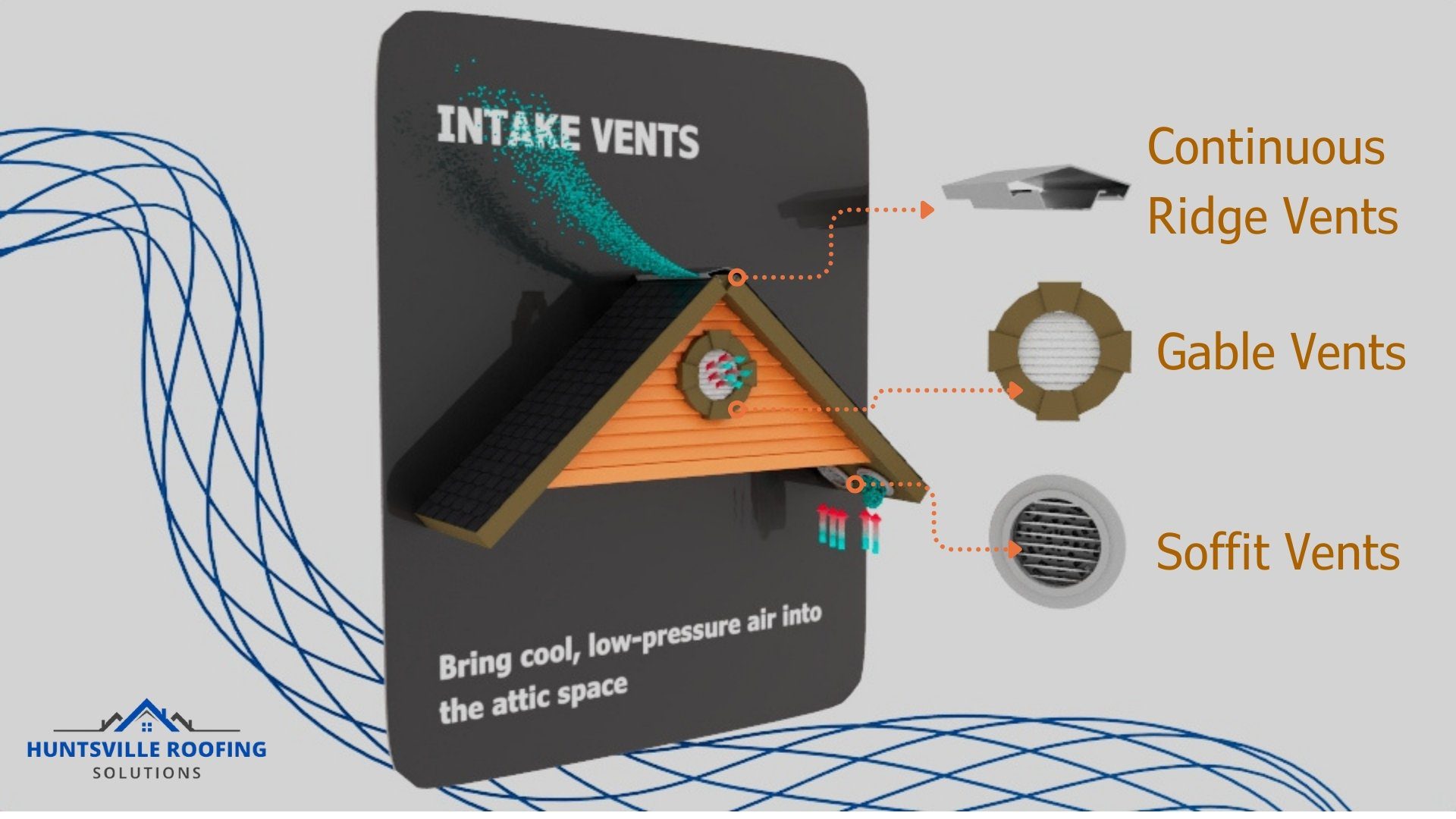
This is why installing a larger exhaust vent does not automatically improve attic ventilation.
If insulation blocks the soffits, or the house has very little lower intake, the new exhaust vent has nowhere reliable to draw replacement air from.
What Is a Ridge Vent?
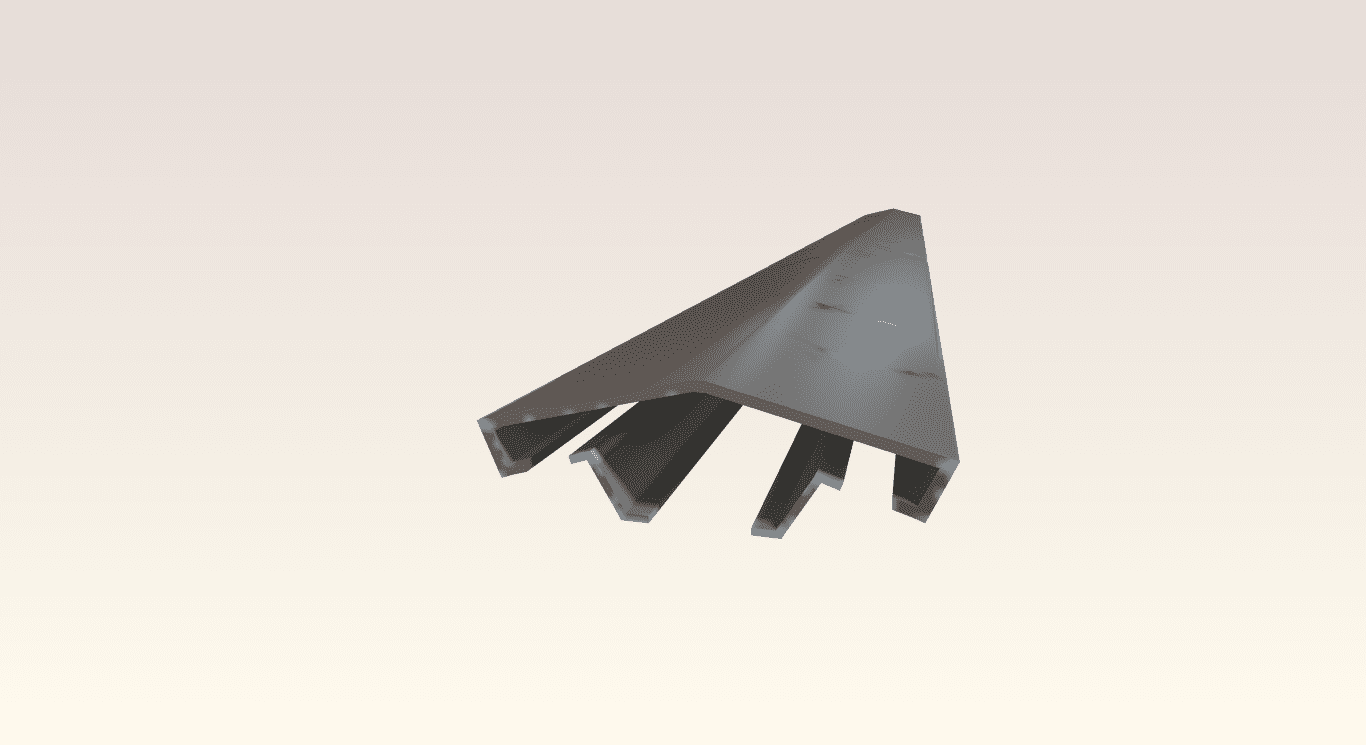
A ridge vent is a continuous exhaust opening installed along or near the highest horizontal ridge of the roof.
A slot is created near the ridge in the roof deck and covered with a manufactured vent system. Depending on the product, ridge-cap shingles or another compatible covering are installed over the vent to integrate it into the finished roof.
Advantages of a Ridge Vent
- Continuous exhaust: Air can leave across a large portion of the roof ridge rather than through several isolated openings.
- High placement: The exhaust opening is positioned near the natural high point of the attic.
- Low visual profile: A properly installed ridge vent usually blends into the roofline more than turbines or individual box vents.
- No moving parts: The vent does not require a rotating assembly or motor.
- Works naturally with continuous soffit intake: On a straightforward roof, the combination can create an even low-to-high airflow path.
When a Ridge Vent May Not Be the Right Choice
A ridge vent is not automatically appropriate simply because the roof has a peak.
Potential limitations include:
- Not enough usable horizontal ridge length.
- A complex roof broken into many smaller attic sections.
- Hip-heavy roof geometry with limited conventional ridge.
- Blocked or inadequate soffit intake.
- Insulation preventing airflow from the eaves toward the ridge.
- An intentionally unvented or conditioned attic.
The ridge vent also needs to be sized from its published net free ventilation area, not just from the number of feet visible from outside.
What Is a Turbine Vent?
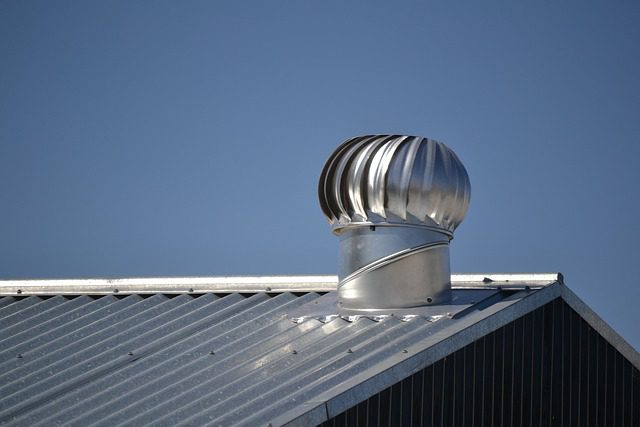
A turbine vent, sometimes called a wind turbine or whirlybird, is an individual roof exhaust vent with a rotating head.
Wind moving across the roof spins the turbine, helping move attic air through the vent opening.
Advantages of Turbine Vents
- Wind-assisted operation: Moving air can increase the turbine’s exhaust action.
- No electrical connection: A conventional wind turbine does not need a powered motor.
- Useful on some roof layouts: Individual turbines can be positioned in attic areas where long continuous ridge ventilation is unavailable.
- Easy to identify and inspect: The unit is highly visible from outside.
Limitations of Turbine Vents
The most obvious limitation is that wind conditions change.
A turbine’s rotating action depends on wind, so performance is not identical on a calm day and a windy day.
There are also moving components. Bearings and the rotating assembly should continue turning freely rather than becoming noisy, stiff or damaged.
Like every exhaust vent, a turbine still needs adequate intake air.
Adding multiple turbines to a roof with blocked soffits does not correct the underlying intake problem.
What Is a Box Vent?
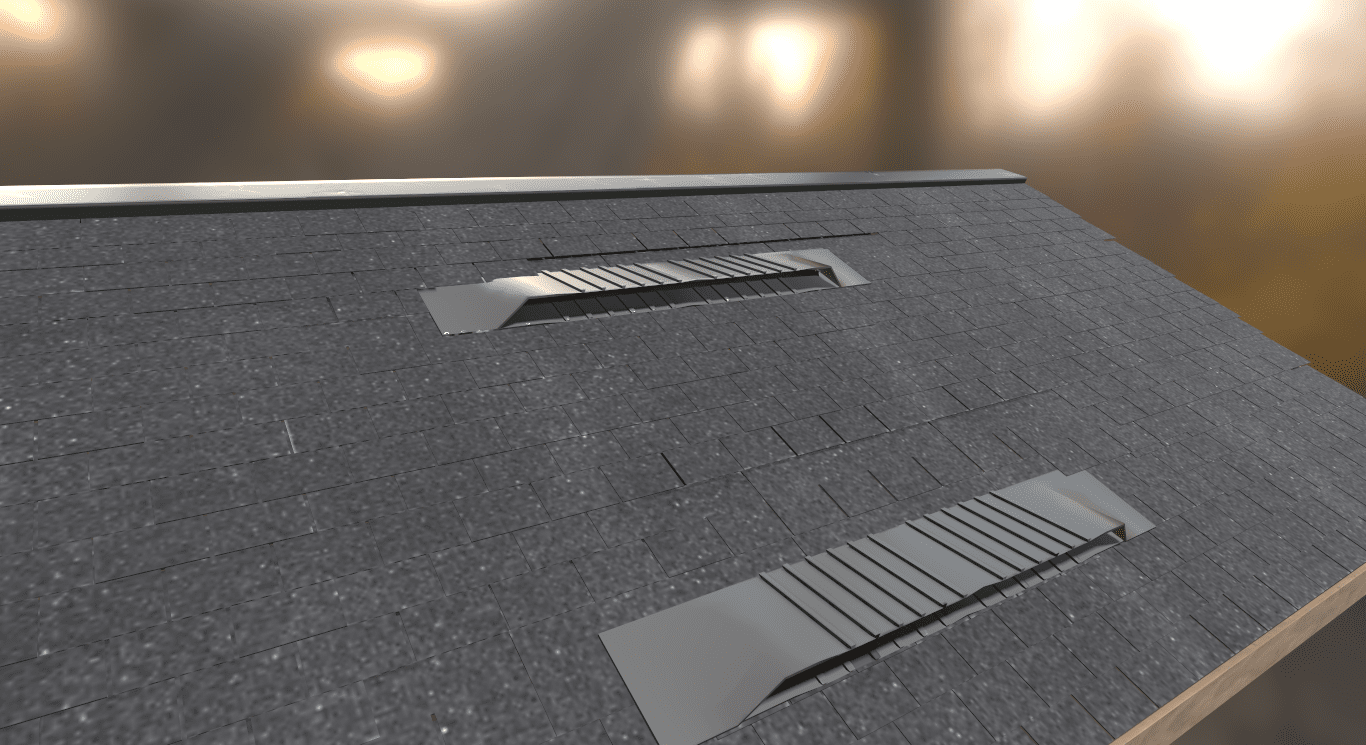
A box vent is a static roof exhaust vent installed through an individual opening near the upper portion of the roof.
It may also be described as a roof louver, static vent or off-ridge vent depending on the product and manufacturer.
Advantages of Box Vents
- Simple design: A conventional box vent has no motor or rotating assembly.
- Flexible placement: Several units can be distributed across the upper roof.
- Useful when ridge length is limited: They do not require a long continuous horizontal ridge.
- Easy replacement: Existing box vents can often be evaluated and replaced individually during reroofing.
Limitations of Box Vents
A box vent provides exhaust only at its individual opening.
That means a roof may require several vents to provide the calculated amount of exhaust and to distribute ventilation across the attic.
ARMA recommends that individual static vents be spaced evenly and close enough together to ventilate the attic effectively.
Each box vent is also another penetration through the roof deck. Proper flashing and installation are therefore important for long-term water resistance.
Ridge Vent vs Turbine Vent: Which One Moves More Air?
There is no reliable universal answer based only on the names of the vents.
A homeowner might assume that a spinning turbine must move more air than a passive ridge vent, but ventilation cannot be compared accurately without looking at:
- The manufacturer’s published net free ventilation area.
- Number and size of vents.
- Available ridge length.
- Wind conditions.
- Available soffit intake.
- Roof and attic geometry.
- Obstructions inside the attic.
A properly sized continuous ridge vent with clear soffit intake may ventilate a straightforward attic very effectively without any moving components.
A turbine can add wind-assisted exhaust but still cannot move more air through the attic than the system can reliably replace through its intake openings.
The better comparison is therefore not simply which vent can exhaust more air.
It is which complete intake-and-exhaust design fits the attic and roof correctly.
Ridge Vent vs Box Vent: Which Is Better?
For a roof with a long, usable ridge and continuous soffit intake, a ridge vent can provide a clean and evenly distributed exhaust strategy.
Box vents become particularly useful when the roof does not offer enough practical ridge length or when individual static exhaust points better match the attic configuration.
A hip roof is a common example where the available horizontal ridge may be relatively short compared with the attic area.
In that situation, the ventilation calculation may show that a conventional ridge vent alone cannot provide enough exhaust area.
That does not make box vents universally better. It means roof geometry changes the design.
Turbine Vent vs Box Vent: What’s the Main Difference?
Both products use individual roof penetrations rather than one continuous ridge opening.
The main difference is movement.
A box vent is static. A turbine has a rotating assembly that uses wind to assist exhaust.
That creates different practical considerations:
| Consideration | Turbine | Box Vent |
|---|---|---|
| Moving components | Yes | No |
| Wind-assisted | Yes | No rotating assistance |
| Visibility | High | Lower |
| Maintenance consideration | Rotating assembly should remain functional | Mainly condition, flashing and obstruction |
| Multiple roof penetrations | Possible | Usually, when several vents are required |
Why Soffit Intake Matters More Than Homeowners Expect
A common ventilation mistake is to focus only on what is visible on top of the roof.
Homeowners see turbines, box vents or a ridge vent and assume the attic must be well ventilated.
But those are only the exhaust side of the system.
For a conventional vented attic, lower intake air commonly enters through soffit or eave vents.
If those openings are covered by insulation, paint, debris or construction materials, the exhaust system may not work as intended.
This is why our separate guide to attic ventilation and shingle lifespan focuses heavily on airflow balance rather than simply adding more roof vents.
Can You Use Ridge Vents, Turbines and Box Vents Together?
Usually, mixing different exhaust types over the same common attic should be avoided unless the system has been specifically designed for that arrangement.
ARMA warns that combining different exhaust vents can short-circuit attic airflow.
For example, instead of pulling replacement air from the soffits, a stronger exhaust opening may begin pulling air inward through another roof exhaust vent.
That can:
- Reduce ventilation of the lower attic.
- Create inefficient airflow paths.
- Cause one exhaust vent to behave like an intake.
- Increase the possibility of weather entering through an unintended opening.
This is one reason a roof covered with turbines, box vents, gable vents and a ridge vent is not automatically “extra ventilated.”
More exhaust openings do not necessarily produce a better system.
How Much Ventilation Does the Attic Need?
Ventilation products are rated by net free ventilation area, or NFVA.
NFVA represents the actual unobstructed opening through which air can pass.
Industry and model-code guidance commonly starts with approximately one square foot of net free ventilation area for every 150 square feet of vented attic floor space.
Under qualifying conditions, a 1:300 ratio may be permitted.
That total is then divided between intake and exhaust.
For example, a balanced design should generally provide slightly more intake capacity than exhaust capacity rather than installing a large amount of exhaust with too little soffit intake.
The exact calculation should use the published NFVA of the selected vent products instead of guessing from physical vent size.
What About a Roof With No Soffits?
Some homes have little or no conventional soffit area.
That does not mean the solution is simply to add more exhaust vents.
The contractor may need to evaluate alternative intake products or a different ventilation strategy based on the roof and attic design.
The key principle remains the same: outside air needs a controlled lower entry point if the attic is designed as a conventional vented attic.
Does Every Attic Need Ridge, Turbine or Box Vents?
No.
Some homes use a conditioned or intentionally unvented attic design.
In those assemblies, insulation and the air barrier may be installed at the roof deck rather than across the attic floor, and exterior attic ventilation may intentionally be omitted.
Adding ridge or roof vents to that system without first understanding the building assembly can create new moisture or energy problems.
Before changing the ventilation of a spray-foamed or conditioned attic, the contractor should determine how the attic was designed to manage air and moisture.
Which Vent Type Makes Sense During a Roof Replacement?
A full roof replacement is one of the best times to evaluate the ventilation strategy because the existing roofing materials are already being removed.
The contractor can inspect:
- The condition of the roof decking.
- Existing vent openings.
- Soffit or eave intake.
- Blocked rafter bays.
- Insulation around the eaves.
- Existing turbines and box vents.
- Available ridge length.
- Separate attic sections.
- Moisture staining or deterioration.
ARMA recommends replacing ventilation devices located within the field of the roof when reroofing rather than automatically reinstalling aging roof penetrations.
This is also the right time to decide whether the existing vent type still makes sense.
For example, an older roof may have several box vents because that was the original design. During replacement, the contractor can determine whether the new roof should retain properly sized box vents or whether the roof geometry and intake system support a continuous ridge-vent design instead.
If you are planning a complete reroof, our roof replacement service in Huntsville explains the other roof-system components that should be evaluated while the old roofing is removed.
Which Vent Is Usually the Best Fit for Different Roofs?
| Roof / Attic Situation | Vent Type Often Worth Evaluating | Why |
|---|---|---|
| Simple gable roof with long ridge and continuous soffits | Ridge vent | Can provide continuous high-level exhaust across much of the attic |
| Hip roof with little horizontal ridge | Box or appropriately designed alternative exhaust | Available ridge length may not provide enough exhaust capacity |
| Existing roof designed around turbines with sufficient intake | Turbine vents | May remain a practical wind-assisted system when properly sized and maintained |
| Roof with limited ridge but several usable upper-roof locations | Box vents | Individual static vents can be distributed across the attic |
| Blocked soffits | None until intake is corrected | Changing the exhaust alone does not solve inadequate intake |
| Conditioned or unvented attic | Possibly none | Outside attic ventilation may conflict with the intended assembly |
These are design considerations rather than universal rules. Vent capacity, roof geometry and manufacturer requirements still need to be checked on the actual property.
Frequently Asked Questions About Ridge, Turbine and Box Vents
Is a Ridge Vent Better Than a Turbine Vent?
A ridge vent can be a strong choice when a conventional vented attic has enough usable ridge length and adequate soffit intake because it provides continuous exhaust near the highest point of the roof. A turbine may be more practical when roof geometry limits ridge ventilation. Neither option works correctly without sufficient intake.
Do Turbine Vents Work When There Is No Wind?
A turbine gains additional airflow when wind turns the ventilator, but it remains an opening near the upper roof even when wind is light. Its performance changes with wind conditions, roof placement and available intake ventilation.
Are Box Vents Effective?
Yes. Properly sized and distributed box vents can provide effective static exhaust ventilation, particularly on roofs where continuous ridge ventilation is impractical. They should be installed high on the roof and matched with sufficient lower intake.
Can Ridge Vents and Turbine Vents Be Used Together?
They generally should not be mixed over the same common attic unless the ventilation system has been specifically designed that way. Industry guidance warns that combining different exhaust types can short-circuit airflow and cause one exhaust opening to pull air through another.
Does a Ridge Vent Need Soffit Vents?
In a conventional vented attic, a ridge vent normally needs adequate lower intake such as soffit or eave ventilation. A large exhaust opening cannot compensate for blocked or insufficient intake.
Should Roof Vents Be Replaced During a Roof Replacement?
Roof replacement is an appropriate time to evaluate and usually replace ventilation components located within the roof field because the contractor can inspect the deck, openings, flashing, intake capacity and overall ventilation design while the old roofing is removed.
Does Every Attic Need Ridge, Turbine or Box Vents?
No. A properly designed conditioned or unvented attic may intentionally have no outside attic exhaust vents. The insulation and air-sealing strategy should be evaluated before adding ventilation.
The Bottom Line
The ridge vent vs turbine vent decision should be based on the entire attic ventilation system rather than the exhaust product alone.
A ridge vent can provide clean, continuous exhaust when the roof has enough usable ridge and sufficient soffit intake. Turbine vents add wind-assisted exhaust and can work well in appropriately designed systems. Box vents provide simple static exhaust and are useful when continuous ridge ventilation is impractical.
But none of them can correct blocked soffits, insufficient intake or a ventilation design that does not match the attic.
And installing all three types together is not an upgrade. Over the same common attic, mixing exhaust systems can disrupt the airflow pattern they are supposed to create.
If the roof is approaching replacement, evaluate the vents at the same time as the decking, underlayment, flashing and intake system instead of automatically recreating the old layout. Learn more about that process through Huntsville Roofing Solutions’ roof replacement service.

Jordan is the founder and owner of Huntsville Roofing Solutions, a locally owned, fully licensed and insured roofing company serving Huntsville and North Alabama. He and roofing supervisor Barry Minor have handled residential and commercial roofs across the region — replacements, repairs, storm damage, and insurance claims — earning a 4.9-star Google rating along the way.