Yes. Too much or poorly arranged roof ventilation can cause problems, especially when high exhaust openings exceed low intake capacity or different vent types work against each other. Instead of a smooth eave-to-ridge path, the system may draw air through unintended openings, reduce effective airflow in parts of the attic, or admit wind-driven moisture through vulnerable details. The goal is correctly sized, balanced ventilation for the specific roof assembly—not the greatest possible number of vents. Have a professional calculate net free vent area before adding or removing equipment.
More vent openings do not always mean better airflow
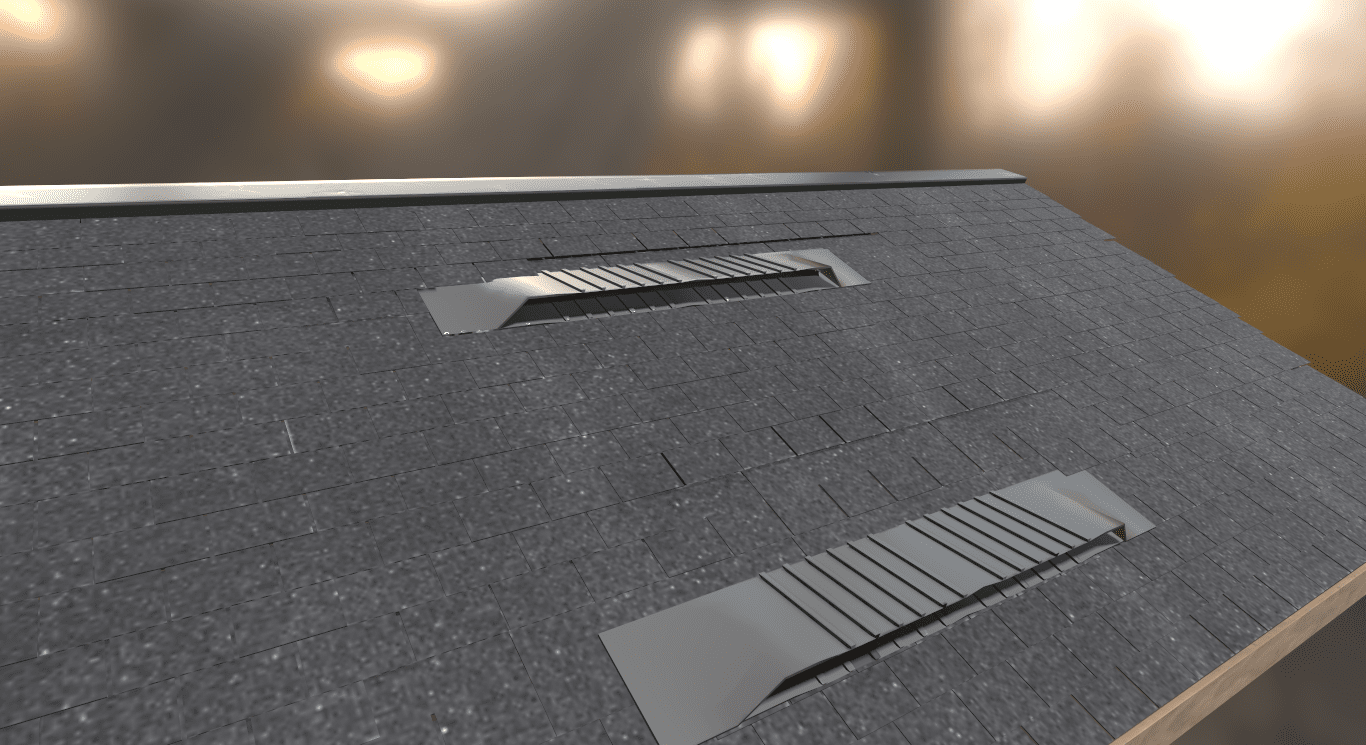
Air follows the easiest available path. If a ridge vent and nearby high box vents serve the same attic, air may circulate between those openings instead of drawing enough fresh air from the eaves. If intake is missing, an attic fan may pull conditioned air through ceiling gaps. The exact result depends on wind, vent height, attic geometry, and product design. A ventilation recommendation should show the whole airflow path, not simply count roof vents.
What over-ventilation and imbalance look like
Potential clues include unexplained moisture after wind-driven rain, uneven attic temperatures, dust movement near ceiling penetrations, or different roof sections ventilating poorly. None of these proves the roof has 'too many' vents; leaks, exhaust ducts, insulation, and air sealing can produce similar symptoms. A roofer should examine intake/exhaust NFA, blocked baffles, and any active fans. Avoid closing random vents before the system has been assessed.
Mixing ridge vents with box vents or powered fans
Combining a continuous high ridge vent with additional high exhaust vents can create unintended short-circuit paths. Some manufacturer guidance advises against mixing exhaust systems without an engineered plan. A powered fan may alter pressure relationships even more. Existing gable vents can also affect airflow depending on configuration. This is why changing only one roof component during replacement can leave the attic performing worse than expected.
When extra ventilation can be appropriate
A large, complex roof may have separate attic zones that need separate properly balanced solutions. Some ventilated assemblies require more NFA under the code basis or because of unusual geometry. That is different from installing extra holes in a single attic without checking intake. A qualified designer may recommend additional low intake, redistribution of exhaust, or insulation and air-sealing work rather than simply more roof caps.
Moisture control depends on more than vents
Warm indoor air entering an attic through gaps around fixtures, plumbing, or attic hatches can carry humidity. Bathroom exhaust ducts must terminate outdoors, not into the attic. Even balanced vents may not solve condensation if the ceiling air barrier is poor. Conversely, rain entering through an improperly flashed vent looks like a ventilation problem from inside. The inspection should address both the roof covering and the home's air/moisture pathways.
What measurements settle the question?
Ask for the attic floor area, local code design basis, intake and exhaust NFA, vent product model numbers, and a sketch showing whether separate sections connect. A 1:300 ventilation ratio may be a relevant starting point for some assemblies, but it is not universally applicable; local rules and design exceptions matter. The contractor should recommend a specific change and state what symptom it is expected to fix. Reevaluate after the next relevant weather period.
Further reading and next steps
For the related decisions and roofing components, these published Huntsville Roofing Solutions guides offer additional context:
- comparison of ridge, turbine and box vents
- why attic ventilation matters for shingles
- attic air sealing and insulation overview
- moisture and mold diagnosis
Industry reference: GAF ridge vent guidance. Confirm product-specific instructions and applicable local requirements before making changes.
Huntsville Roofing Solutions serves Huntsville and surrounding North Alabama communities. An educational article cannot diagnose a particular roof without inspection; a repair recommendation should be supported by observed conditions, appropriate materials, and a written scope.
Jordan is the founder and owner of Huntsville Roofing Solutions, a locally owned, fully licensed and insured roofing company serving Huntsville and North Alabama. He and roofing supervisor Barry Minor have handled residential and commercial roofs across the region — replacements, repairs, storm damage, and insurance claims — earning a 4.9-star Google rating along the way.