
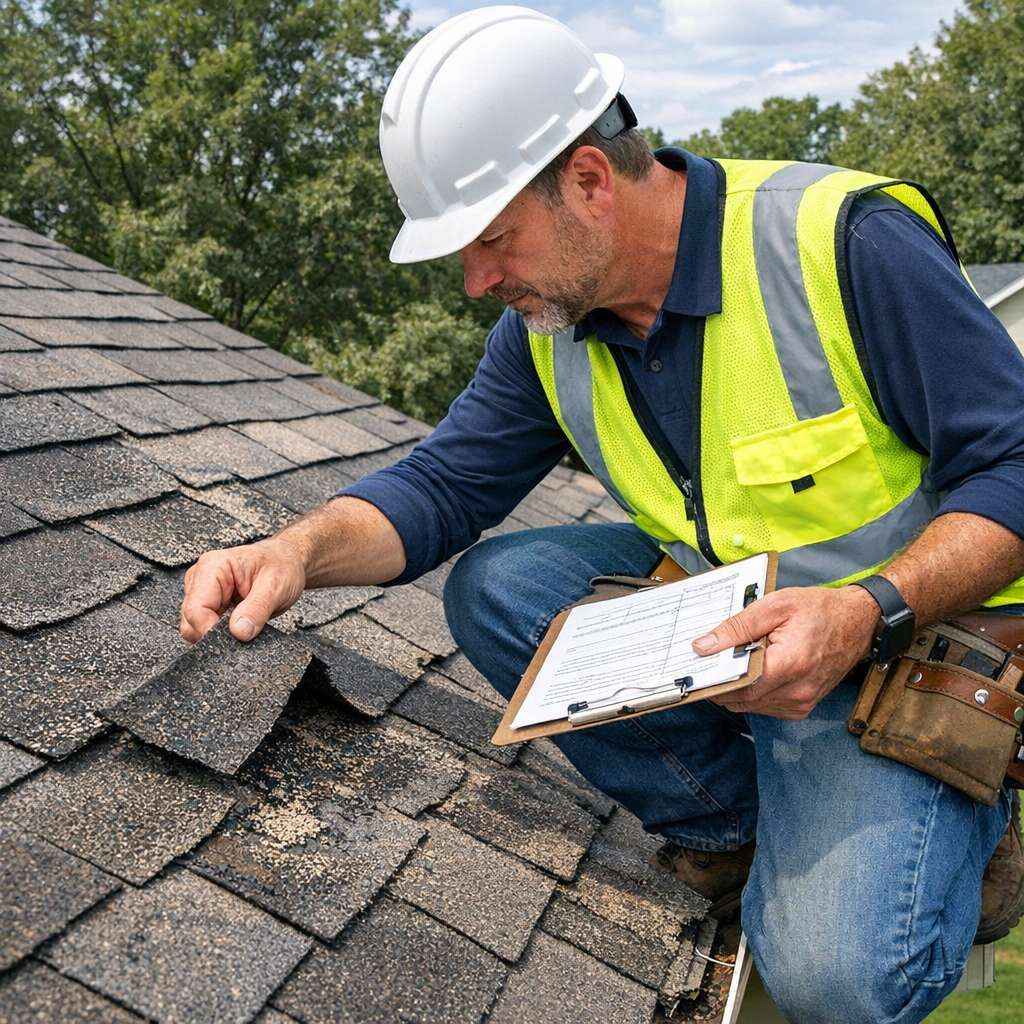
Most of the confusion around annual roof inspections results from mixing homeowner inspections and professional inspections, so it deserves clarification.
According to GAF roof-maintenance guidance, once a year is a useful rule of thumb for roof inspections, with additional inspections potentially needed depending on location and storm exposure. The National Roofing Contractors Association recommends that roof systems undergo inspections twice a year—in spring and in fall—plus additional inspections after severe weather.
These recommendations are not contradictory in any way. You can conduct visual roof inspections on your own as often as you like. But a comprehensive roof inspection should be done by a professional.
What Is a Reasonable Roof Inspection Schedule?
The average residential roof in Huntsville will be well taken care of with the following schedule:
| Timing | Inspection Type | Reasons and Purpose |
|---|---|---|
| Annually | Professional roof inspection | Thorough evaluation of roofing, flashing, penetrations, drainage, ventilation and underlying conditions of the roof |
| Spring | Homeowner visual check | Catching changes after winter and the early spring activity |
| Fall | Homeowner visual check | Evaluation of roof condition, debris and drainage before winter |
| After significant hail or strong winds | Additional condition check; professional roof inspection if damage is suspected or the storm was severe | Catching storm-caused changes before they lead to leaks |
| In case of roof leak or other changes | Professional diagnostic inspection | Proper evaluation of the problem instead of waiting until the annual inspection |
There is no magic date in this schedule, the only important thing is consistency—checking the roof before anything bad happens.
If you prefer not to organize the schedule on your own, scheduled roof maintenance is the primary service on the Huntsville Roofing Solutions website.
Do You Need Two Professional Roof Inspections a Year if the Schedule Suggests Checking It Twice?
Usually no, and it’s the difference between the homeowner inspection and a professional inspection that allows this.
Homeowner roof inspection is an easy procedure. All you need to do is walk around the yard and examine roof planes which are visible from the ground, check the attic if you feel safe to do that, compare your findings with pictures from the previous inspection. The whole thing takes twenty minutes and no ladder is needed.
Professional roof inspection is a completely different deal. The inspector checks everything that cannot be evaluated from the ground: flashing, penetrations, state of roof covering close-up, valleys, ventilation, and everything else which tends to fail sooner than the rest of the roof.
For many residential roofs, it means a nice schedule—two homeowner inspections a year and one professional inspection a year, plus event-triggered inspections when something happens to the roof.
The detailed list of everything to look for during a homeowner inspection can be found on the yearly roof maintenance checklist page, so there is no need to reproduce it here.
Why Do You Need to Check Your Roof Once a Year if It Does Not Leak?
Because most roof problems are quite hidden and occur long before they manifest themselves in ceiling leaks.
Cracked pipe boot, loose flashing, damaged shingles, blocked valleys, failed sealant—none of these are big issues at first sight. The roof seems fine from the ground and there are no leaks in the house. These are exactly the situations when you should catch them, because once the water starts getting under the roof deck—what used to be a maintenance issue becomes deck and interior repairs.
Annual roof inspection is just an easy way to catch these changes before the first symptom appears in the interior of the building. The financial aspect of the problem is discussed in the article about how preventive maintenance saves money on repairs.
When Do You Need to Inspect Your Roof if It Is Not Annually?
The calendar is the default, but not a hard-and-fast rule. Any change of state of the roof changes the schedule.
After Significant Hail
Hail can damage asphalt shingles and dents softer roof metal components without causing leaks on the roof. If you are sure that your property has got a real hail, no leak does not mean no damage, and there is no reason to wait for the annual inspection date to find it out.
The article on the site about hail damage explains in details what exactly should be done, and why, so this page is free to talk about the frequency.
After High Winds
Wind can lift, crease, tear off or remove roofing materials, plus it often damages the edges of the roof and its penetrations. Sometimes it is visible from the ground, and most of the time it is not.
According to GAF storm guidance, you need to check for roof damage after severe weather and book professional roof inspection if a more thorough check is needed.
After Impact of Limb or Something Else
Impact does not necessarily create a hole in the roof, but it can damage shingles, cause displacement of roof materials or damage something underneath.
When There Is a New Interior Stain
New ceiling stain, wet attic insulation or an unexplained musty odor means that an inspection should be conducted right now. There is no need to wait for six months, because it is time for the annual appointment. The whole point of the inspection schedule is to prevent leaks, not to catch them.
Do Old Roofs Need More Frequent Inspections?
Sometimes yes, but not for the reason people think most of the time. Age is not a reason for frequent inspections. The reason is uncertainty about the condition of the roof.
The older the roof, the longer it is subjected to the UV radiation, wind, heat, rain and continuous expansion and contraction due to the temperature changes in North Alabama. Plus, it has already accumulated a couple of repairs during its lifetime. Flashings, sealants and penetrations are deteriorating together with shingles.
So an old roof should undergo annual professional roof inspection at minimum. If any of the inspections shows deterioration, evidence of previous leaks or components at the end of their service life—it is the moment to start more frequent inspection of these areas.
What About Houses With Tree Cover?
Tree-covered houses indeed need more frequent inspections, although a professional inspection can stay annual.
Leaves and small debris accumulate in valleys and drainage zones. Branches can damage shingles or fall straight on the roof. Heavy shade means that some parts of the roof will stay wet longer after rain.
This does not mean that a professional inspection should be booked every time the leaves come down. It means that you should increase the frequency of safe ground-level inspections and cleaning. As soon as you notice displaced shingles, branch impact, drainage problems or other changes in the condition of the roof—it is time to schedule a professional roof inspection.
Should You Schedule a Roof Inspection After Buying a House?
If there is no information about the age of the roof, its history of repairs or any maintenance at all—then condition assessment is necessary.
A general inspection of the house will also include some observations about the roof, but it will be just a snapshot instead of a history. Plus, it is not done by a roofing contractor.
A special roof condition assessment provides you with current roof condition information, previous repairs and problems that need addressing in the next annual inspections.
This report will serve as a starting point for everything else: the pictures you will be taking next spring, the inspection you will schedule next year and the discussion with the contractor five years later.
Should Homeowners Walk on the Roof for Their Own Inspection?
For most homeowners, no—and you do not have to in order to keep up with the inspection routine.
More than you might expect, the situation can be evaluated from the ground, from upstairs windows, with binoculars or a camera zoom lens, and from the attic. The site’s roof maintenance checklist explicitly separates safe homeowner observations from professional part of the inspection.
Climbing on a steep, wet, damaged or unknown roof increases the fall risk. And it can disturb the materials during the inspection. If a certain condition cannot be evaluated from the ground and from the attic safely—that is the moment to hire a professional roofer.
What Should Professional Roof Inspection Include?
Two main things—access and context.
It is not just a search for a missing shingle. The inspection evaluates the roof as a water-managing system and searches for the conditions that will eventually cause leaks. In practice, it means to check:
- Condition of shingles or roof covering as a whole.
- Flashings at walls and chimneys.
- Pipe boots and other roof penetrations.
- Valleys and drainage zones.
- Roof vents and ventilation conditions.
- Gutters and drainage which affect the roof.
- Previous repairs and the condition of the sealants.
- Roof deck condition in case it is accessible.
- Interior or attic condition as the evidence of moisture.
The point is not to get a list of repairs. It is to differentiate regular deterioration from conditions that need addressing.
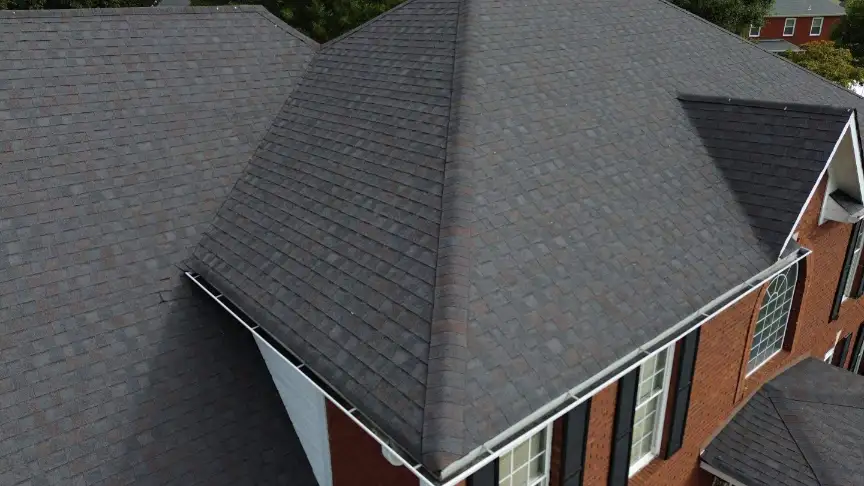
Why Is It Important to Keep Inspection Records?
It is always better to compare the current inspection with the previous one.
The dated photos show whether something has been changing or staying the same. The records establish the date of repair and the company or person who did it. They also help a future contractor differentiate a new problem from the old one. Without them, each inspection is an isolated opinion. With them, you have the record of roof condition over the years.
If you are going to live in your house for a long period of time—these records will be more and more valuable as the roof gets older.
When Does Inspection Become a Repair?
An inspection does not always become repair. There are plenty of inspections that end with conclusion that the roof works normally—and that is a good result.
There are also some conditions that can be repaired now: damaged flashings, faulty pipe boot, damaged group of shingles or another condition that is better addressed now than next year.
If there are several symptoms—the guide on warning signs that need repair helps with further actions. This page is about how often to inspect. That one is about what to do if something was found.
Frequently Asked Questions About How Often to Inspect Roof
How Often Do You Need a Professional Inspection?
Annual inspection is a baseline for most roofs in Huntsville. Schedule additional inspections if there is a reason to suspect changes in the condition of the roof—significant hail, strong winds, impact damage or a new leak.
Should I Check My Roof Twice a Year?
Yes, twice-yearly visual check is a good thing to do. It does not mean that you will climb on the roof and pay for two professional inspections. Inspect what can be seen safely from the ground and the attic, and leave the detailed inspection to the annual professional one.
Should I Check My Roof After Every Thunderstorm?
No. Normal rainfall does not mean you should schedule a professional roof inspection. You should pay more attention to significant hail, strong winds, fallen branches or any storm which left a visible change inside or outside your house. Ground-level inspection after severe weather is usually enough to decide if a professional roof inspection is necessary.
How Often Do You Need to Inspect Older Roofs?
Older roof requires annual inspection at minimum. If there were some previous inspections that revealed deterioration, recurring leaks or aging components that need more attention—a shorter inspection interval may be necessary depending on the current condition of the roof, not its age.
Can I Inspect My Roof on My Own?
You can perform visual inspections without climbing onto the roof. You can use ground-level and attic views, binoculars or a camera zoom. Leave steep, damaged or hard-to-reach roof surface to professionals.
What Is the Best Time for a Roof Inspection?
The month does not matter, the important thing is to inspect the roof regularly. Spring and fall are great for homeowner inspections, and the annual professional roof inspection can be scheduled whenever it is convenient. Severe weather or a new symptom should always take precedence over the calendar.
The Bottom Line
For most residential roofs, annual professional roof inspection is a baseline, twice-yearly visual inspections in spring and fall should be added to it, and an additional inspection is required whenever severe weather or a new symptom gives you a reason.
What needs to be avoided is setting up a roof inspection schedule according to ceiling leaks.
Roof inspections are needed for two reasons. First, you will have an opportunity to address minor changes before they cause a bigger problem. Second, you will be able to document the real aging of your roof.

Jordan is the founder and owner of Huntsville Roofing Solutions, a locally owned, fully licensed and insured roofing company serving Huntsville and North Alabama. He and roofing supervisor Barry Minor have handled residential and commercial roofs across the region — replacements, repairs, storm damage, and insurance claims — earning a 4.9-star Google rating along the way.