
8 Signs Your Huntsville Roof Needs Repair (Before It Becomes a Full Replacement)
Are These Early Signs of Roof Damage Still Repairable?
If your Huntsville roof has a few lifted or missing shingles, small ceiling stains, loose flashing, granules collecting in gutters, a minor sag at the roof edge, damaged pipe boots, recurring leaks around one penetration, or daylight showing through a limited attic area, it may still be repairable. These problems often start locally, but water can spread into underlayment, decking, insulation, and ceilings when repairs are delayed. The goal is to fix the source while the surrounding roof still has useful life. If damage is widespread, the deck is soft, or repairs keep returning, compare repair with replacement before spending.
A roof does not have to look ruined to need attention. In many cases, the best time to schedule a repair is when the problem is still confined to one shingle area, one flashing detail, one roof penetration, or one section of the roof edge. That is the stage where a targeted repair may protect the rest of the system instead of allowing a small opening to become a larger water-intrusion problem.
| What you notice | What it may indicate | Why it is worth checking now |
|---|---|---|
| Lifted or missing shingles | Localized wind or fastening damage | Exposed underlayment can take on water |
| Small ceiling stain | A limited leak above the room | The visible stain may be smaller than the wet area |
| Loose or cracked flashing | A failed seal at a roof transition | Water can enter around walls, chimneys, and valleys |
| Heavy granules in gutters | Shingle surface wear or localized impact | Bare spots lose protection faster |
| Damaged pipe boot or vent seal | A failed roof penetration | These small components can create persistent leaks |
| Wet fascia or roof-edge damage | Drainage or edge-detail failure | Moisture can reach wood at the eaves |
| One soft or slightly sagging area | Possible localized decking damage | The cause should be identified before it spreads |
| Attic moisture or daylight in one spot | A small opening or failed detail | Early detection can limit interior damage |
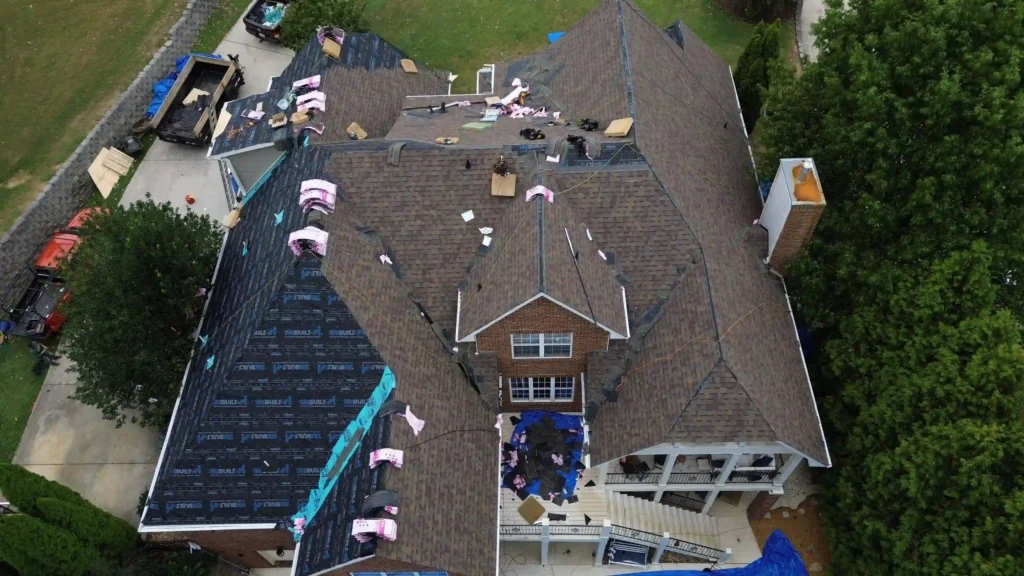
8 Repair-Stage Warning Signs to Watch For
1. A Few Shingles Are Lifted, Creased, Cracked, or Missing
One of the clearest repair-stage problems is damage limited to a small group of asphalt shingles. High wind can lift a shingle edge, break the seal strip, crease a tab, or remove a shingle completely. A branch or other impact can also crack the surface without affecting the entire slope.
The important distinction is scope. A few damaged shingles on an otherwise serviceable roof can often be replaced or repaired. A roof with widespread curling, cracking, loss of adhesion, or missing shingles across several slopes is a different situation and should be evaluated more broadly.
Do not rely on the driveway view alone. A lifted shingle can settle back down and still have a broken seal. If the damage followed severe weather, use the site’s post-storm response guide for steps on documenting damage, arranging an inspection, and protecting your home rather than treating every post-storm symptom as a replacement signal.
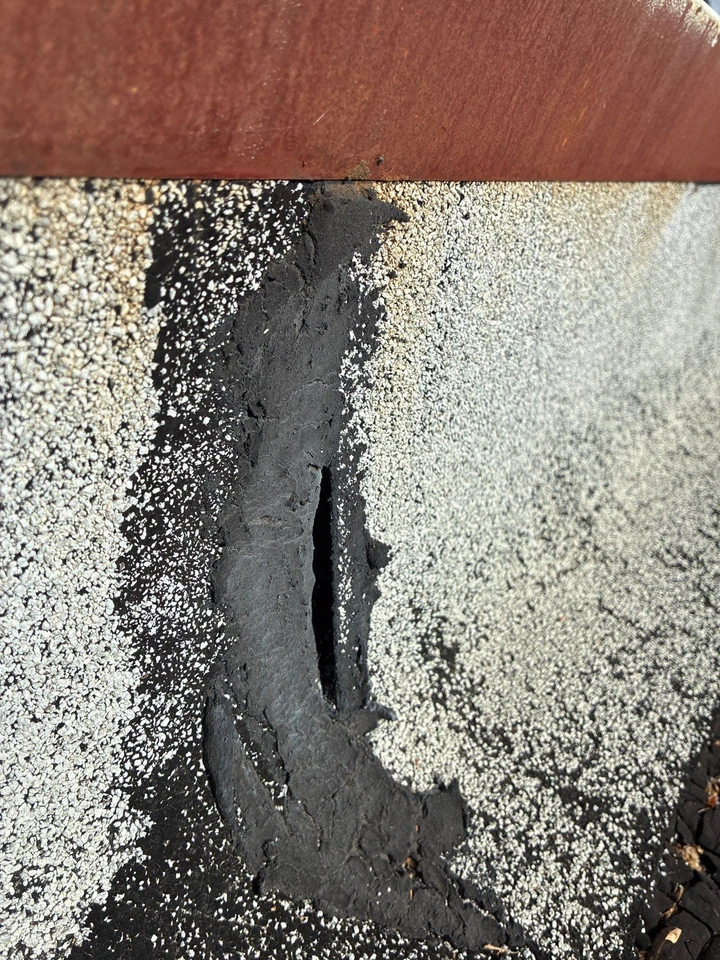
2. A Small Ceiling Stain Appears After Rain
A brown ring, yellow stain, peeling paint, or damp patch on a ceiling can be the first indoor clue that water has found a path through the roof assembly. The entry point is not always directly above the stain; water can travel along decking, framing, or insulation before it becomes visible indoors.
A small stain does not automatically mean the entire roof has failed. It may trace back to a flashing joint, nail hole, pipe boot, vent, or isolated shingle problem. Because plumbing and HVAC condensation can create similar symptoms, the source should be confirmed before roofing work begins.
If you are seeing moisture symptoms but cannot tell whether they are roof-related, our roof repair service page explains common leak causes and how a professional inspection can identify the source. This article stays focused on whether the problem is still at the repair stage.
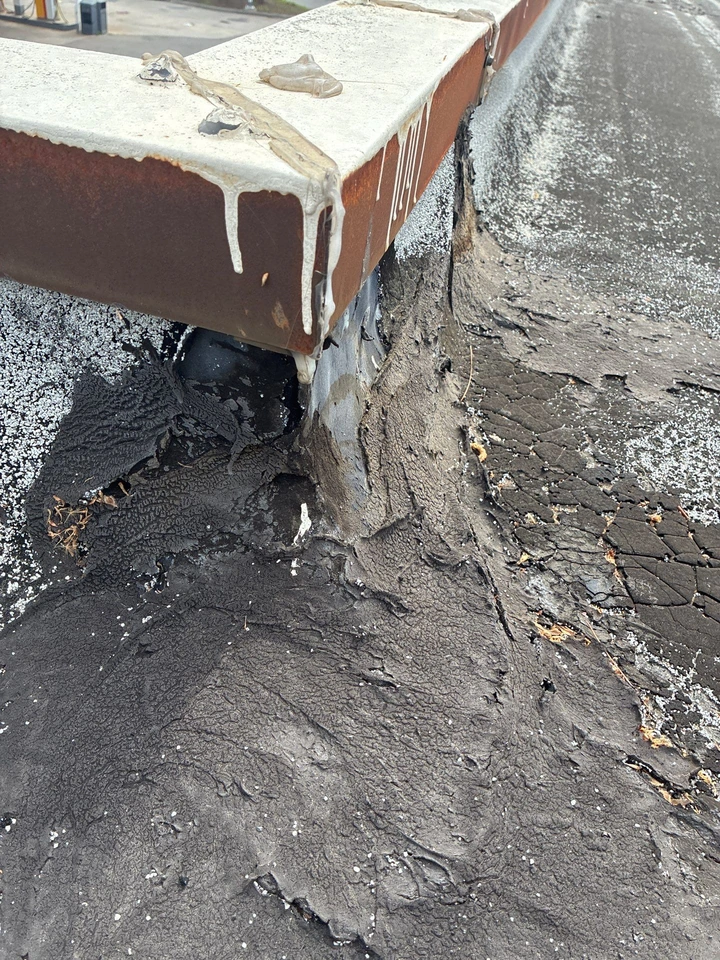
3. Flashing Is Loose, Rusted, Cracked, or Pulling Away
Flashing protects the transitions where roofing meets something else: a wall, chimney, valley, vent, skylight, or other penetration. Those transitions are common water-entry points because they depend on correct overlaps, fastening, sealant, and drainage.
If the surrounding roof is still in good condition, a flashing problem can often be repaired without replacing every shingle. The repair may involve resetting or replacing the metal, correcting the overlap, renewing a compatible seal, and replacing nearby roofing materials that were damaged by moisture.
4. Shingle Granules Are Collecting in the Gutters
Asphalt shingles naturally shed some granules, especially when they are new or as they age. What deserves attention is a noticeable increase, piles of granules near downspouts, or visible bare patches on a limited area of the roof.
Granules protect the asphalt layer from sunlight and weathering. When one area loses them faster because of impact, foot traffic, abrasion, or localized wear, the affected shingles may deteriorate sooner than the rest of the roof. A roofer can compare the damaged area with adjacent slopes and determine whether replacing a limited section is reasonable.
Because gutters can reveal roofing debris before the roof looks different from the ground, keeping drainage paths clear also makes roof changes easier to spot. For the drainage side of the system, see the role of gutters in roof health.
5. A Pipe Boot, Vent, or Other Small Roof Penetration Is Deteriorating
Some roof leaks come from a component that is much smaller than the roof itself. Rubber pipe boots can crack. Sealant around penetrations can split or separate. Fasteners can loosen. A vent detail can fail while the surrounding shingles remain sound.
These are classic examples of problems where early diagnosis matters. Replacing a boot, correcting a vent detail, or repairing the shingles around a penetration is usually much more contained than repairing wet decking and interior finishes after water has been entering for months.
If you can see cracked rubber, separated sealant, exposed fasteners, or staining directly below a penetration in the attic, schedule an inspection rather than covering the area with a surface patch. The repair should address the water path, not just the symptom.
6. The Roof Edge, Fascia, or Soffit Stays Wet
Damage along the eaves can begin with a roofing detail, a gutter problem, or both. Water that overshoots a gutter, backs up behind it, or gets beneath the roof edge can wet fascia boards and the edge of the roof deck. Paint may peel, wood may darken, or soffit materials may show staining.
This does not always call for a new roof. When the affected wood is limited and the rest of the roof is sound, the solution may involve correcting the drip edge or flashing, repairing nearby roofing, fixing gutter alignment, and replacing only the damaged wood.
The longer edge moisture remains active, however, the farther rot can travel. That is why roof-edge damage is worth treating as a roof-system issue instead of a cosmetic trim problem.
7. One Small Area Feels Soft or Looks Slightly Sagged
A dip or soft area deserves prompt professional attention because it can indicate wet or deteriorated roof decking. The key word is localized. If a small section of decking has been damaged by a focused leak, a roofer may be able to remove the affected roofing, replace the bad deck section, correct the leak source, and rebuild that area.
Widespread sagging is different. So is a roof where multiple areas of decking feel soft. Those conditions move beyond a simple symptom list and into structural and replacement evaluation. Avoid walking on a suspicious soft spot yourself; damaged decking may not support weight safely.
8. You See Attic Moisture or Daylight Around One Specific Area
The attic can reveal problems before a ceiling stain appears. Damp insulation, darkened decking, rusted nail tips, or a narrow beam of daylight near a penetration can point to a small opening in the roof system. Condensation can also create attic moisture, so ventilation and indoor humidity need to be considered during diagnosis.
What makes this a repair-stage sign is concentration: the evidence is tied to one identifiable area rather than widespread staining across the roof deck. Once the source is found, the repair can be scoped to the failed component and any materials that were damaged around it.
When Is a Roof Repair Still the Better Move?
A repair is usually most attractive when the roof still has meaningful service life, the problem is confined to one area, the decking around it is sound, and there is a clear defect that can be corrected. The repair should solve a specific cause, not simply cover a stain or add sealant without understanding where water is entering.
Replacement deserves a closer look when damage is widespread, several slopes are failing at once, the roof deck is deteriorated in multiple areas, or the same leaks keep returning after repeated repairs. Roof age also matters because investing in repeated repairs near the end of a roof’s service life can become poor value.
That broader choice already has its own page on this site. If you are deciding between two scopes of work, read the roof repair or replacement decision guide. It compares age, damage scope, structure, and economics without turning this article into a competing replacement guide.
Why Small Roof Problems Matter in Huntsville
Huntsville and the surrounding North Alabama area see periods of strong wind, heavy rain, heat, humidity, and severe storms. Those conditions can expose weak shingle seals, aging flashing, roof penetrations, and drainage problems. A minor opening may stay unnoticed during dry weather and show itself only when wind-driven rain reaches it from the right direction.
The practical takeaway is simple: after significant weather, check from the ground, look in the attic if it is safe to do so, and pay attention to new stains or debris in the gutters. Do not climb onto a wet, steep, damaged, or unstable roof to investigate.
What to Do When You Spot One of These Signs
- Document what you can safely see. Take photos of ceiling stains, gutter debris, missing shingles visible from the ground, or attic moisture.
- Note when the symptom appears. A stain that grows only during wind-driven rain can help narrow the source.
- Avoid temporary fixes that hide the evidence. Interior paint, generic caulk, or an unverified patch may mask the symptom without stopping the water path.
- Have the roof inspected. The inspection should identify the failed component, check the surrounding materials, and explain whether the damage is localized.
- Repair the cause before secondary damage grows. Once water reaches decking, insulation, drywall, fascia, or framing, the scope becomes more expensive.
If the issue appears localized and you want a professional diagnosis, visit our roof repair page to request an inspection or estimate. The goal should be to repair what is actually failing while protecting the service life that remains in the rest of the roof.
If your roof does not have an active defect but is overdue for preventive attention, the roof maintenance program is the better internal resource. Keeping repair, maintenance, storm inspection, and replacement decisions on separate pages helps each page answer a distinct homeowner question.
Frequently Asked Questions
Can one missing shingle cause a roof leak?
Yes. A missing shingle can expose the layers beneath it and create a path for water, especially during wind-driven rain. Whether it leaks immediately depends on the location, underlayment, overlaps, and surrounding condition, but it is still worth repairing promptly.
Does a ceiling stain always mean the roof is leaking?
No. Roof leaks are one possible cause, but plumbing leaks and HVAC condensation can also stain ceilings. A correct repair starts by tracing the moisture to its source instead of assuming every stain comes from the roof.
Can roof flashing be repaired without replacing the whole roof?
Often, yes. If the flashing failure is localized and the surrounding roofing and decking are serviceable, the affected flashing and nearby materials can often be repaired as a focused project. Widespread deterioration may require a larger scope.
How quickly should a small roof leak be repaired?
As soon as reasonably possible after the source is identified. A leak that looks minor indoors can wet a larger hidden area of insulation or decking, and repeated rain can expand the damage.
Does needing a roof repair mean my roof is near the end of its life?
Not necessarily. Roofs can need isolated repairs because of wind, impact, flashing failure, a damaged penetration, or an installation detail even when the surrounding roof has useful life remaining. Age and the overall condition of the system still need to be considered.
Fix the Small Problem While It Is Still Small
The best repair opportunities are usually the ones with a clear source and a limited footprint. A few damaged shingles, one failed flashing detail, a cracked pipe boot, or a small leak can often be addressed without turning the project into a full roof replacement. The cost and disruption rise when water is allowed to keep reaching the materials below the roof covering.
If you have noticed one of these warning signs on your Huntsville home, schedule a roof repair evaluation. A good inspection should show you what failed, photograph the affected area, and explain whether the surrounding roof still has enough life to justify a targeted repair.

Jordan is the founder and owner of Huntsville Roofing Solutions, a locally owned, fully licensed and insured roofing company serving Huntsville and North Alabama. He and roofing supervisor Barry Minor have handled residential and commercial roofs across the region — replacements, repairs, storm damage, and insurance claims — earning a 4.9-star Google rating along the way.