
How a Roof Maintenance Plan Prevents a Surprise Replacement
A roof maintenance plan prevents surprise replacements by catching the small failures that quietly end roofs early: cracked pipe boots, lifted flashing, clogged valleys, loose shingles and blocked attic ventilation. Left alone in North Alabama’s heat, humidity and storm season, those items let water into the decking, and wet decking turns a repair into a full replacement years ahead of schedule. Scheduled inspection, cleaning, resealing and documentation keep the roof reaching its rated life, keep manufacturer warranty conditions satisfied, and give you dated evidence of condition if a storm claim is ever filed. See our roof maintenance program.
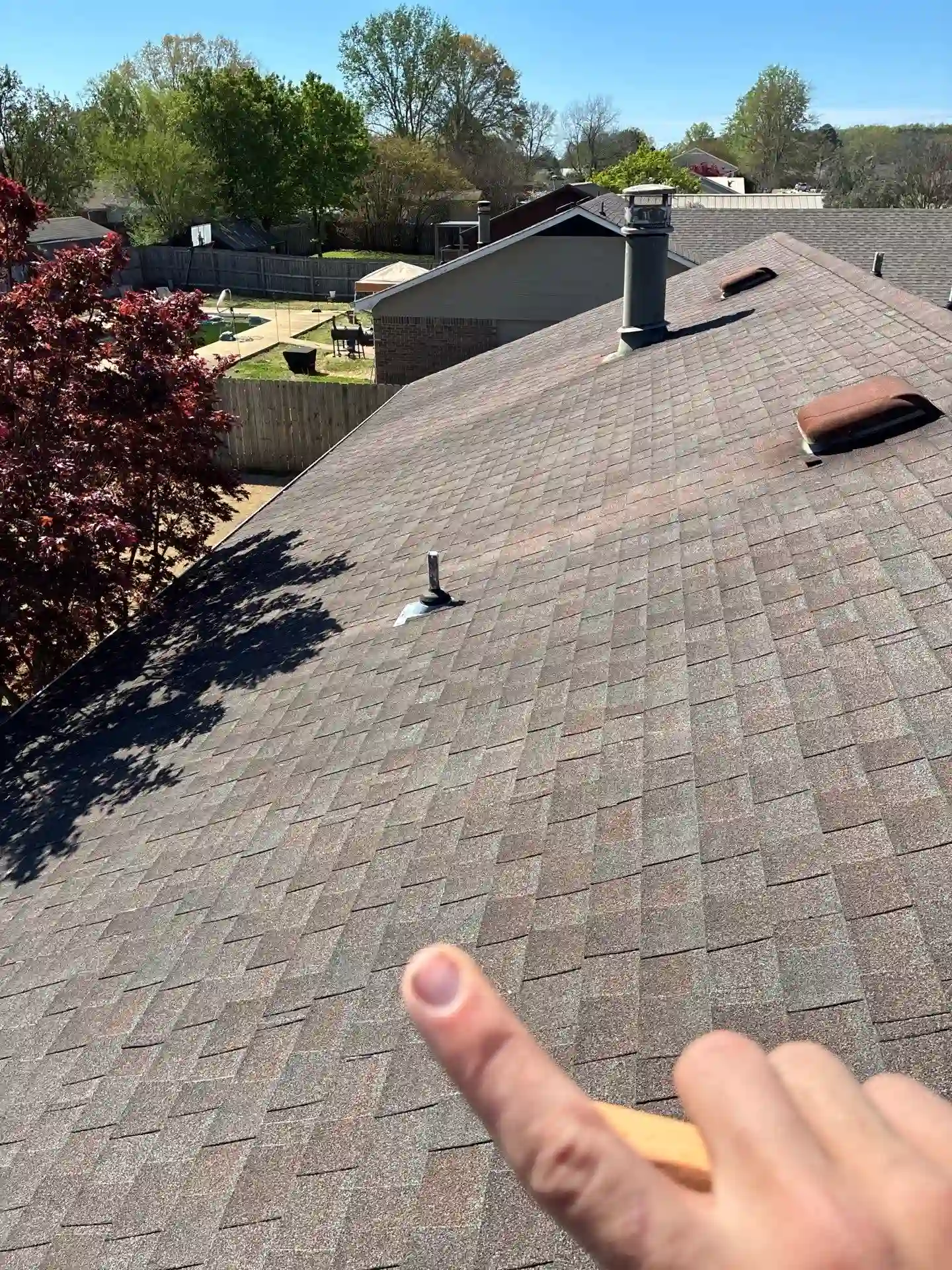
Nobody plans to replace a roof in the same week they discover they need one. Here is how that situation actually develops, and where a maintenance plan interrupts it.
Most roofs do not fail on schedule. They fail early.
Roofing materials come with a rated life, and homeowners tend to treat that number as a countdown. Architectural shingles are rated for a couple of decades or more in this climate, so the assumption is that year twenty-two is when the conversation starts.
In practice, a large share of the roofs we replace across Huntsville and Madison County are not worn out. They are compromised. One detail failed, water got past it, and the failure spread through a system that was otherwise fine.
North Alabama is unusually good at producing that outcome. Summer heat cycles work on sealant and stiffen shingles. Humidity feeds algae and keeps trapped debris wet instead of letting it dry. Storm season delivers wind and hail that lift, bruise and loosen without necessarily leaving anything you can see from the driveway. Then the whole cycle repeats the following year.
A rated lifespan assumes the roof is maintained. Very few are.
What a surprise replacement actually looks like
It rarely announces itself. The sequence is almost always the same.
A pipe boot cracks in year seven. Nothing happens that you notice, because water enters slowly and the decking absorbs it. Over the next two summers the sheathing around that penetration softens and the insulation below stays damp. Somewhere in year nine you see a faint stain on a bedroom ceiling and assume it is old.
The following spring a storm comes through and lifts a few shingles nearby, because the deck underneath no longer holds a nail the way it should. Now there is real water. A roofer comes out, opens the area, and finds rot spreading well beyond the original boot. What could have been a small repair four years earlier is now decking, insulation, drywall and a roof that has lost enough integrity that patching it is throwing money at a problem.
That is the surprise. Not that the roof aged, but that four cheap years of neglect quietly converted a repair into a replacement.
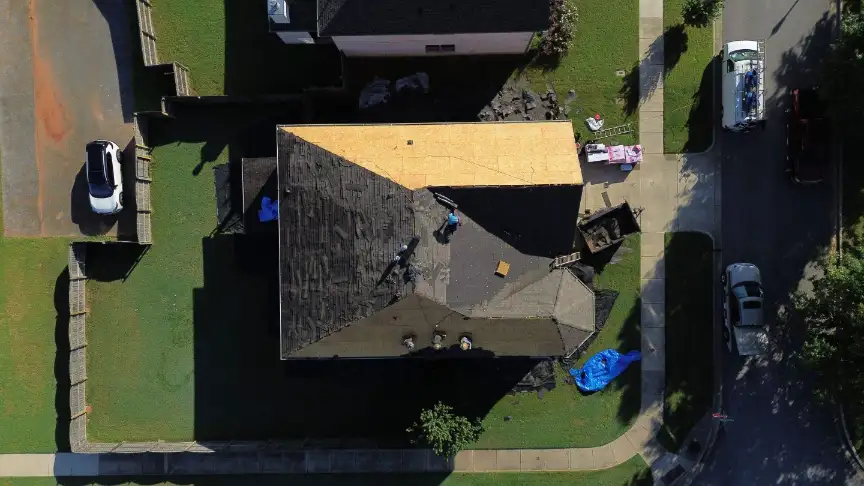
What a roof maintenance plan actually does
A maintenance plan is not a warranty and it is not insurance. It is a scheduled visit by someone who knows what a roof looks like shortly before it starts leaking.
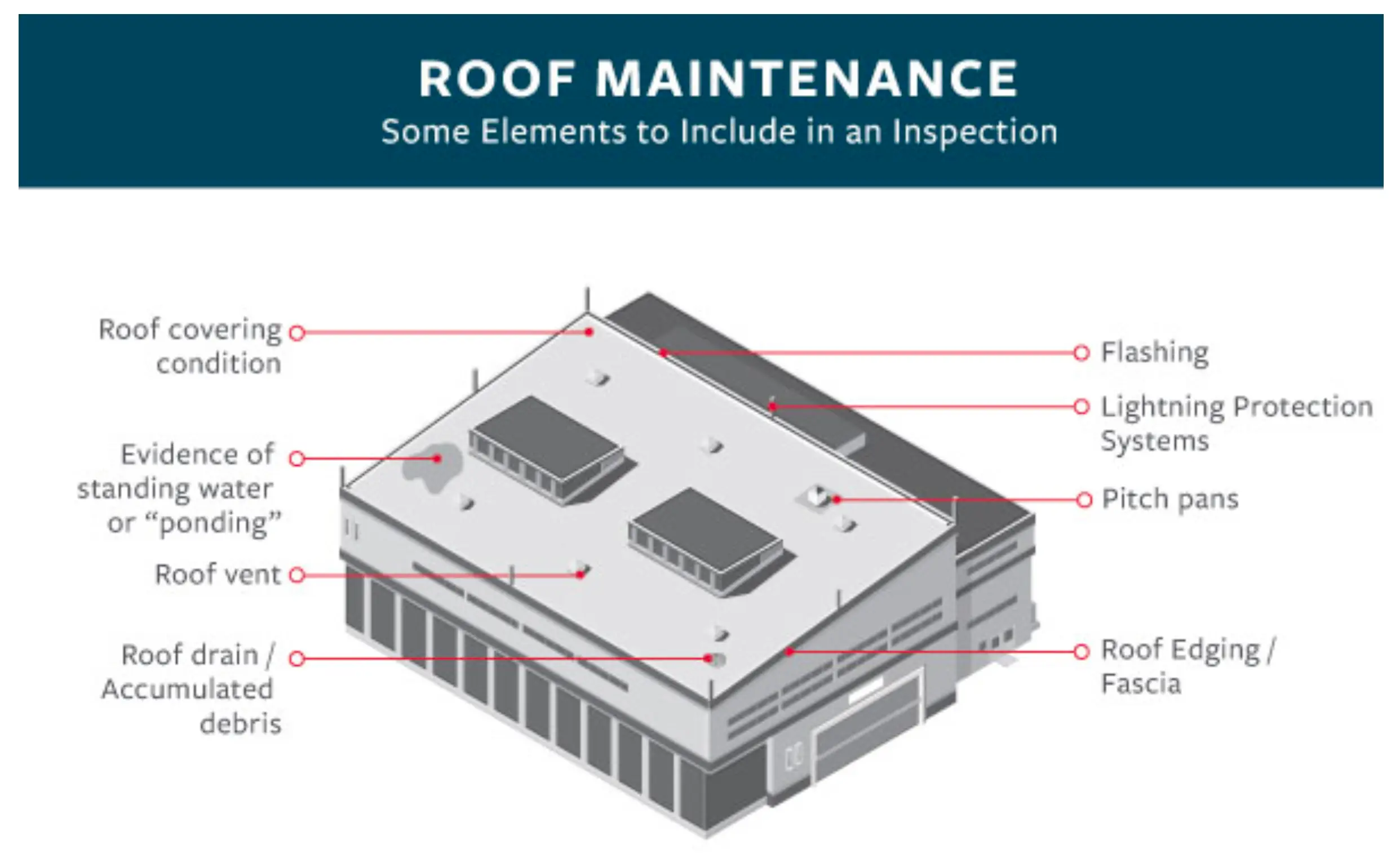
On a residential shingle roof, that visit covers the parts of the system that fail first:
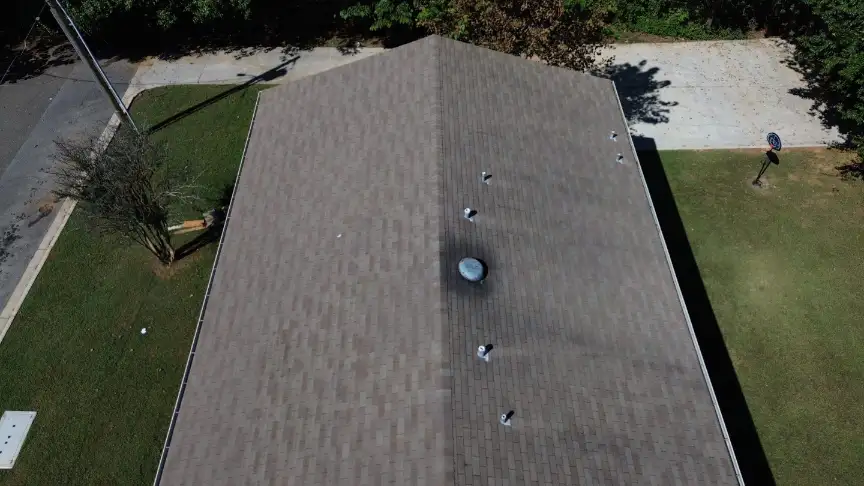
- Penetrations. Pipe boots, vent collars and anything else that breaks the plane of the roof. These are the single most common entry point for water and the cheapest thing on the roof to replace.
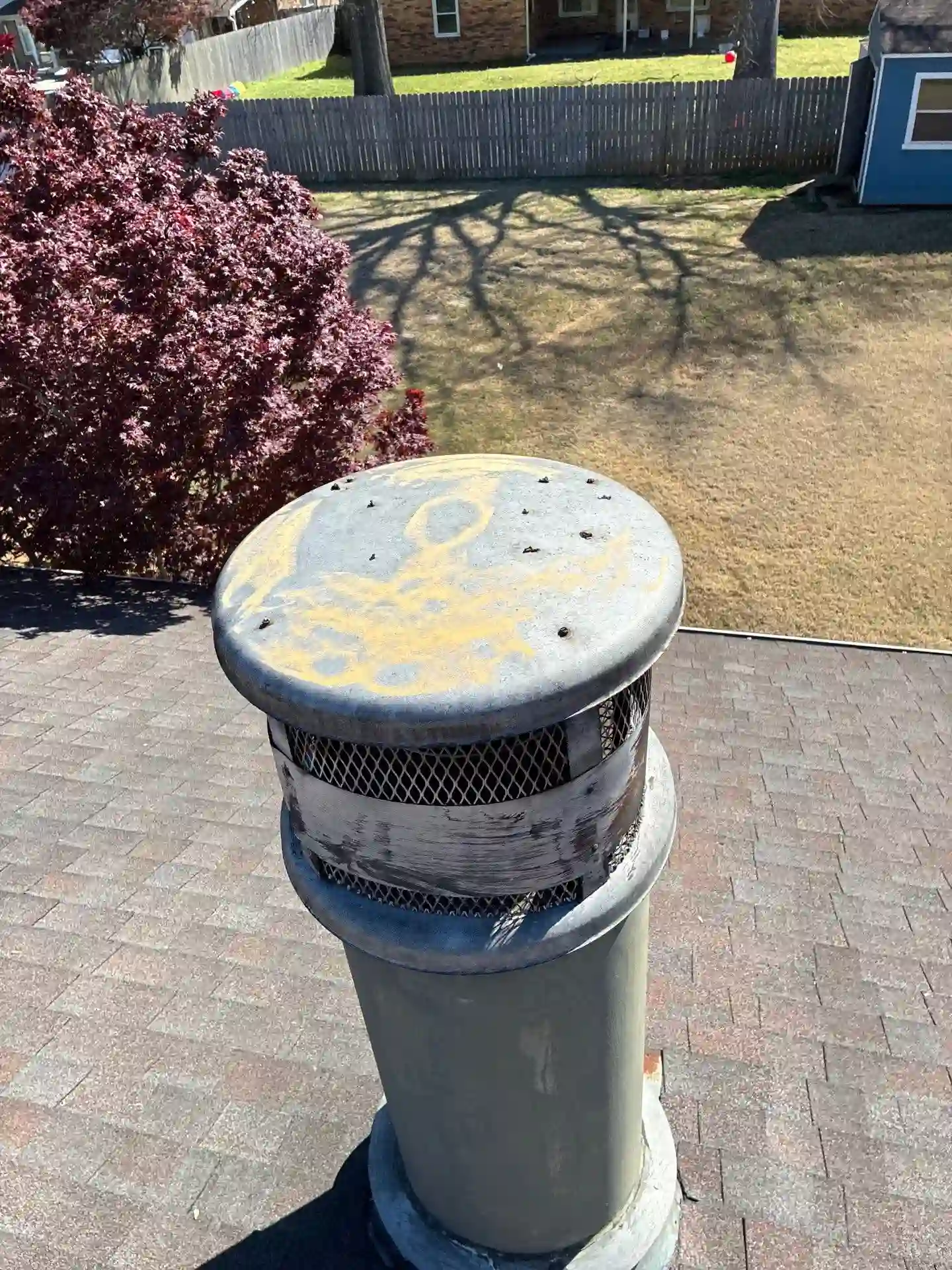
- Flashing and sealant. Step flashing at walls, counter flashing at chimneys, valley metal. Sealant is consumable in this climate; it does not last as long as the shingles it protects.
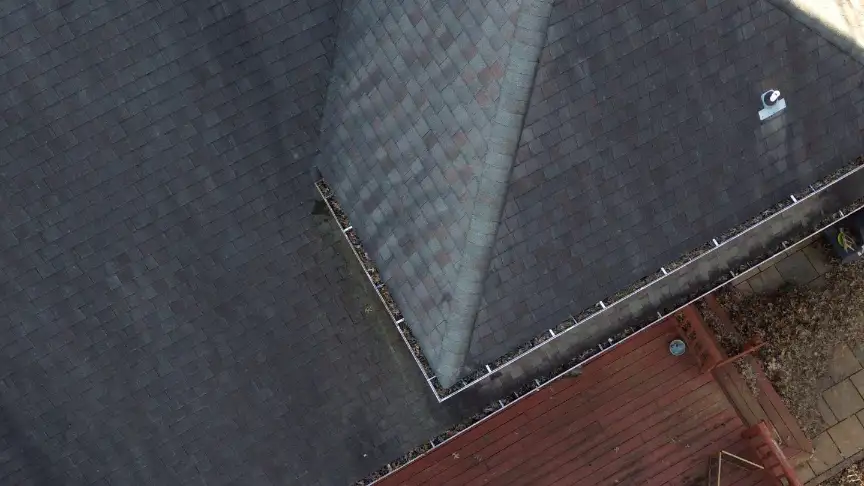
- Debris and drainage. Valleys, gutters and any low area where water slows down. Standing water and trapped organic material are how a sound roof starts rotting.
- Shingle condition. Lifted, cracked, blistered or missing shingles, and the granule loss that tells you where the roof is aging fastest.
- Ventilation. Whether intake and exhaust are actually working, since a hot attic ages shingles from underneath faster than the sun ages them from above.
- Documentation. Dated photos of the roof’s condition, which matter more than most homeowners realise until the day they file a claim.
Cleaning and resealing are part of the same cycle. On shingle roofs here, that is generally a three to five year interval, with lighter inspection more often. Full details of what is covered are on our roof maintenance and roof cleaning program page.
The small problems that end roofs early
Every item below is routine when it is found early and serious when it is not. The middle column is the point of the entire article.
| What maintenance finds | What it becomes if nobody looks | Typical window |
|---|---|---|
| Cracked or dried pipe boot | Rotted decking around the penetration, then ceiling damage | 2 to 4 years |
| Lifted or reused step flashing | Water inside the wall cavity, framing and insulation damage | 1 to 3 years |
| Debris packed into a valley | Constant moisture, accelerated shingle decay, valley leak | 2 to 5 years |
| Clogged gutters and blocked downspouts | Water backing under the edge, fascia rot, foundation issues | 1 to 3 years |
| A few wind lifted shingles | Progressive loss along the same course after the next storm | One storm season |
| Blocked soffit intake vents | Superheated attic, premature shingle aging across the whole roof | Shortens the entire roof |
| Early algae growth | Retained moisture, granule loss, permanent staining | 3 to 6 years |
| Failed sealant at a chimney | Chronic leak in the hardest area of the roof to repair well | 1 to 3 years |
Notice how little of this is about the shingles themselves. Roofs in this region are rarely ended by shingles wearing out evenly. They are ended by accessories and drainage, which are exactly the things a scheduled visit exists to check.
Does a maintenance plan pay for itself?
It helps to be precise about what you are comparing, because the honest answer is not that maintenance is cheaper than a repair. It is that maintenance and neglect are buying two different things.
Maintenance buys a boot, a bead of sealant, a cleared valley and a couple of replacement shingles, on a planned date, at a planned cost. Neglect buys the same items later, plus the decking they ruined, plus the insulation, plus the drywall, plus an emergency call during storm week when every crew in the county is booked, plus, frequently, a roof several years earlier than the one you paid for was rated to last.
There is a second cost that rarely gets counted. A planned replacement is a project you can schedule, compare quotes for, and pay for on your terms. Our breakdown of what changes a roof replacement quote only helps you if you have time to use it. A surprise replacement removes that leverage entirely, which is a large part of why it costs more than it should.
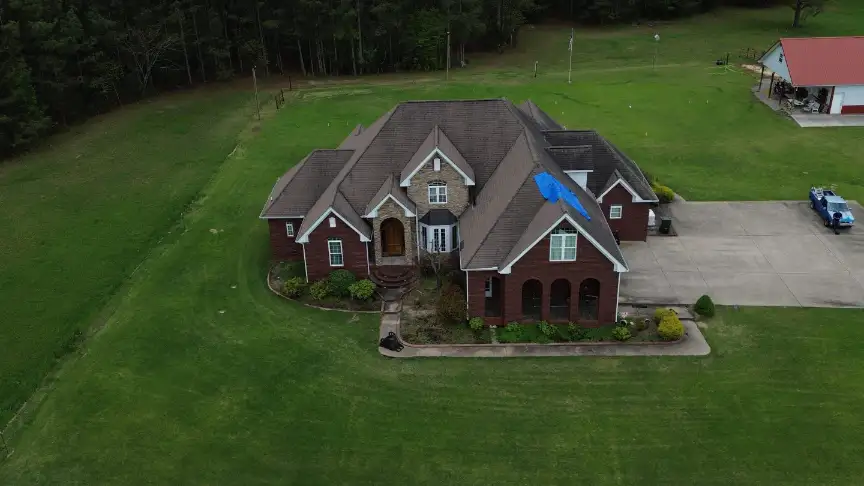
If a replacement is already on the horizon and timing is the obstacle rather than the price, roof financing is the cleaner answer than deferring the work another season and watching the deck deteriorate.
What maintenance does for your warranty and your insurance claim
These two things are worth understanding before you need them.
Manufacturer and workmanship warranties
A shingle warranty covers defects in the shingle. It generally does not cover damage caused by inadequate ventilation, unrepaired leaks or a lack of reasonable upkeep, and most warranty documents exclude those conditions in fairly plain language. Workmanship warranties from the installer work the same way. Maintenance is how the conditions attached to your coverage stay satisfied rather than quietly voided.
Storm claims
Homeowners policies generally respond to sudden events, storm, wind and hail, rather than to gradual wear, deterioration or neglect. That distinction is where claims get complicated. Dated inspection photos from before a storm are one of the more useful things you can hand an adjuster, because they help establish that the roof was in sound condition rather than already failing. Coverage decisions belong to your insurer under your policy, but a documented roof gets a fairer reading than an undocumented one. Our insurance claim page explains how that process runs locally.
How often a roof needs attention in this climate
Two triggers, and the second matters more than most homeowners expect.
Annually. A baseline inspection once a year catches the slow items: sealant reaching the end of its life, granule accumulation in the gutters, early algae, a boot beginning to crack.
After every significant storm. This is the one people skip. Wind and hail damage frequently leaves nothing visible from the ground, particularly on a newer roof, while still bruising shingles and loosening the seal between courses. The roof looks fine and behaves differently in the next storm. If a hail event has come through Huntsville, Madison, Athens or Decatur, the check is worth making whether or not you can see anything.
Cleaning and resealing sit on a longer cycle, generally every three to five years on shingle roofs here, though heavy tree cover pulls that interval shorter.
What you can handle yourself and what needs a roofer
Some of this is genuinely homeowner work, and some of it is how people get hurt.
Reasonable from the ground: keeping gutters and downspouts clear, cutting back limbs that overhang the roof, checking the attic for daylight, damp insulation or a musty smell after heavy rain, and looking at the roof with binoculars after a storm for anything obviously lifted or missing.
Not reasonable: walking a wet or steep roof, pressure washing shingles at high pressure, which strips granules and shortens the roof’s life, and sealing anything you cannot fully see. Chimney and wall flashing in particular is where well intentioned caulk creates a worse leak by trapping water behind it.
The dividing line is simple. If the task requires you to be on the roof, it is worth the call. Our post on the signs a roof needs repair before replacement covers what to watch for from the safe side of that line.
If you just bought the house, or the roof came with it
A few situations where this matters more than average.
New owners. A general home inspection is not a roof inspection. It confirms the roof exists and is not obviously failing. If you do not know the roof’s age, the last time it was serviced, or whether the previous owner filed a storm claim, a proper look is the cheapest information you will buy that year.
Older Huntsville neighborhoods with heavy tree cover. Shade slows drying, limbs drop debris into valleys, and algae establishes faster. These roofs need attention on a shorter cycle than an open lot in a newer subdivision.
Anyone who has been through a hail event and not filed. Undamaged is not the same as unchecked. The roof carries that history into the next storm.
Property managers and business owners. Commercial roofs have their own cadence and documentation needs; our commercial roof protection plan covers that separately.
When maintenance is no longer the answer
Maintenance is not a way to avoid a replacement forever, and it is dishonest to sell it that way.
If the deck is already compromised across multiple areas, if shingles are brittle enough to crack when lifted, if granule loss is widespread rather than localized, or if the roof is close to the end of its rated life anyway, then the money is better spent on the replacement than on maintaining something that is finished. Our repair or replace guide walks through where that line sits, and how long a roof lasts in Alabama gives you the lifespan context by material.
Even then, maintenance has done something useful. It converted an emergency into a decision. That is the entire point.
Frequently asked questions
What does a roof maintenance plan actually include?
A residential plan covers scheduled inspection of the full roof system, cleaning of debris from valleys, gutters and low spots, resealing at penetrations and flashings, replacement of loose or missing shingles, and a photo record of the roof’s condition. On a shingle roof in North Alabama, cleaning and resealing are typically needed every three to five years, with inspections more often.
Does roof maintenance actually save money?
It changes what you are buying. Maintenance replaces a pipe boot, reseals a flashing or clears a valley for a small, planned amount. Neglect turns those same items into wet insulation, rotted decking, interior repairs and, often, a replacement several years earlier than the roof was rated for. The savings come from avoiding the escalation, not from a discount on the work.
How often should a roof be inspected in Alabama?
Once a year as a baseline, and again after any significant hail or high wind event. North Alabama’s storm season makes the post-storm check the more important of the two, because wind and hail damage often leaves no visible sign from the ground while still shortening the life of the roof.
Can neglect void a roof warranty?
Manufacturer warranties generally cover defects in the shingle, not damage caused by poor ventilation, unrepaired leaks or lack of reasonable upkeep, and most exclude those conditions explicitly. Workmanship warranties are similar. Documented maintenance is what shows the roof was cared for if a claim is ever made.
Will homeowners insurance pay for a roof that wore out?
Policies generally respond to sudden events such as storm, wind or hail damage rather than gradual wear, deterioration or neglect. That distinction is why dated inspection photos matter: they help establish that a roof was in sound condition before a storm rather than already failing.
Is it too late for maintenance if my roof is already old?
Not necessarily, but the goal changes. On an older roof, maintenance stops being about reaching the rated lifespan and becomes about buying planned time so replacement happens on your schedule and budget rather than during a storm week. An inspection will tell you which of the two situations you are in.
Find out which situation your roof is in
Most homeowners we meet are somewhere between “fine” and “finished” and have no way of knowing which. An inspection settles it. You get photos, a plain account of what we found, and a straight answer about whether you are looking at maintenance, a repair or a replacement, including when the answer is that nothing needs doing yet.
Enrol in our roof maintenance program to keep the roof on a schedule, or call (256) 203-5638 and we will get someone out to look at it.
Serving Huntsville, Madison, Athens, Decatur and the surrounding North Alabama area.

Jordan is the founder and owner of Huntsville Roofing Solutions, a locally owned, fully licensed and insured roofing company serving Huntsville and North Alabama. He and roofing supervisor Barry Minor have handled residential and commercial roofs across the region — replacements, repairs, storm damage, and insurance claims — earning a 4.9-star Google rating along the way.