
Yes, signs of roof problems associated with a hailstorm can become noticeable months afterward, even though the physical impact occurred during the storm. For example, a shingle bruise may go unnoticed until a later inspection, or damaged materials may deteriorate before a leak becomes visible. However, new granule loss, stains, or leaks months later do not prove hail caused them. Document the suspected storm date, obtain a qualified roof assessment, and compare the pattern with other possible causes such as aging, wind, foot traffic, and installation defects.
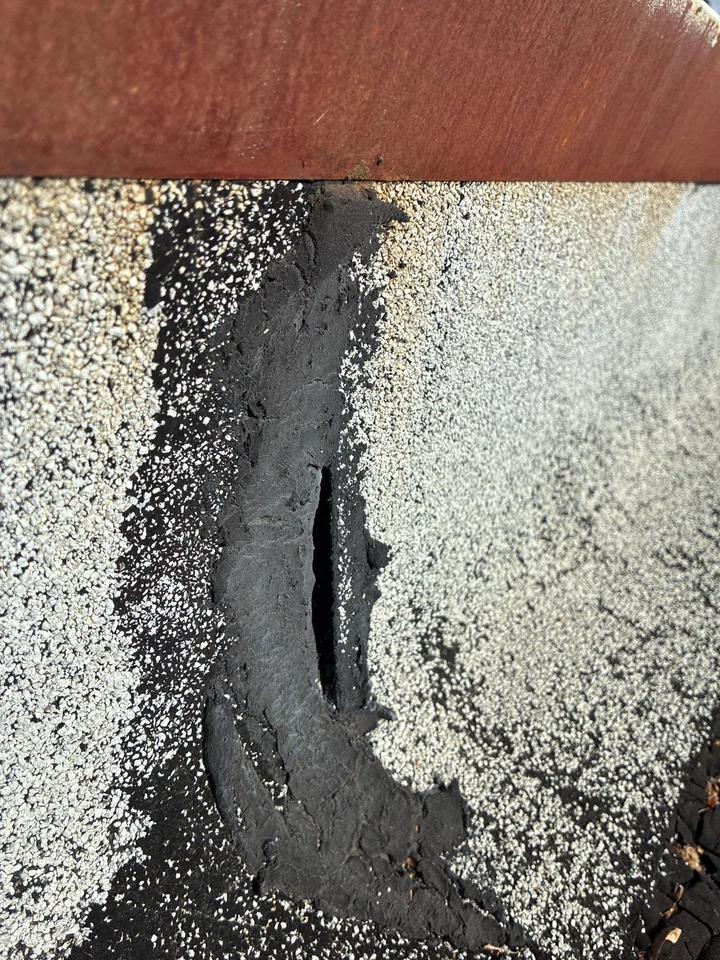
Does hail damage actually develop later?
Hail impacts happen when the stones strike. What can change over time is visibility or the consequence of the impact. A compromised shingle may not leak immediately, and the homeowner may not notice a faint mark from the ground. Weather exposure afterward can reveal a weakness, but it can also produce unrelated wear. Avoid writing that hail somehow “activates” only after a set number of months. A professional inspection should distinguish original impact characteristics from later environmental deterioration.
What delayed signs deserve a closer look?
Look for newly noticed water marks, localized granule loss, cracking around a suspected impact, roof accessory dents, or recurring leaks following later rain. No single sign establishes hail causation. Uniform weathering, algae streaks, thermal blisters, and aging granule loss can look concerning without being storm impacts. Photograph roofing conditions from the ground or an accessible window and ask a qualified roofer to inspect higher areas. Do not use a ladder on a damaged or wet roof.
Our roof hail damage identification guide covers the visual signs and lookalikes.
How is an old impact different from new damage?
A documented storm date, weather records, and the distribution of marks across multiple roof slopes may help establish context. Comparable dents in soft-metal components can be useful supporting observations but do not prove every shingle was damaged. A roof might also experience wind, falling branches, or hail from a later event. Ask the inspector to explain confidence and uncertainty rather than assign every mark to the storm date the homeowner prefers.
For ordinary aging patterns, see the normal versus abnormal shingle granule loss guide.
Does a delayed leak mean insurance will cover replacement?
Not necessarily. Insurance turns on the policy, cause of loss, reporting requirements, and evidence. A leak discovered months later can create causation questions, especially if there has been additional rain or maintenance work. Notify your carrier promptly when you discover suspected damage and review policy deadlines. A roofer can report physical findings but cannot guarantee the claim will be approved. Keep the roof safe and address active water entry regardless of the eventual insurance outcome.
The insurance coverage for roof leak guide explains why leak causes determine coverage.
What should North Alabama homeowners preserve?
Keep the approximate date of the hailstorm, reliable weather information, any photographs taken near that date, prior roofing inspection reports, maintenance history, and new photos showing the location of the concern. Note whether nearby gutters, metal vents, or vehicles were affected. If the roof has previously been repaired, save those records too. A consistent chronology is more useful than a confident statement without support. Tell the roofer about multiple storms instead of trying to select one as the cause without evidence.
Should you inspect again after several months?
A follow-up inspection may be sensible when a known severe hail event was followed by a new leak or suspicious change, particularly on an older roof. It is not evidence that every North Alabama roof needs repeated inspections after minor hail. Ask the professional to document what has changed from earlier photos, identify any urgent repair needs, and distinguish probable storm damage from unrelated wear. If there is active water entry, arrange mitigation promptly while any insurance questions are evaluated.
See the roof inspection frequency guide for inspection timing guidance.
What was damaged during the storm versus what became visible later
Hail impact occurs at the time of the storm, even when the homeowner notices a symptom later. A shingle may have a bruise or granule displacement that was not obvious from the yard; later weathering, rain, or inspections can make the condition easier to notice. That is different from claiming that hail continues to strike the roof months afterward or that every later leak must originate in that storm. Granule loss can also reflect normal aging, manufacturing variation, foot traffic, or other causes. Some roofs show dents in soft-metal accessories but little demonstrable shingle impairment. A good inspection documents specific findings and uncertainty rather than assigning every mark to hail. The distinction matters to roof maintenance and to any insurance claim, because cause and timing cannot be established from a single stain alone.
A dated observation log for North Alabama homeowners
Note the date and approximate location of the reported storm, then save any photos already taken of the home, vehicles, gutters, or outdoor fixtures. When you later notice a ceiling stain, loose granules, or a changed shingle surface, record the discovery date separately. Ask a qualified roofer to identify which slope and roof component shows an issue and whether it could have causes other than hail. Save dated inspection photographs and reports. If you choose to contact your insurer, follow policy notice requirements promptly once a possible loss is discovered; do not wait for a second symptom solely to strengthen a claim. Avoid climbing the roof to search for impact marks yourself. A measured, evidence-based assessment helps distinguish a possible delayed discovery from ordinary aging without promising that a prior hailstorm will be accepted as the cause.
Frequently asked questions
Can hail damage exist without an immediate leak?
Yes. A roof may show bruising, localized granule loss, or accessory dents without leaking right away. Whether those observations are hail-related must still be evaluated carefully against normal wear, blistering, foot traffic and other events.
Does a leak months later prove the earlier hailstorm caused it?
No. Water entry can come from unrelated flashing, installation, maintenance or newer storm problems. A qualified professional should inspect the leak path and surrounding roof, document uncertainty, and avoid attributing the cause solely from timing.
How quickly should I contact the insurer after noticing damage?
Review your policy’s notice requirements and contact the carrier promptly once you discover a possible loss. Different policies and circumstances have different deadlines. Keep the reported storm date, later discovery date and supporting photos distinct.
References and official guidance
Regulations, contracts, and insurance policies can change. This discussion is general information, not legal advice or a determination of coverage.
For a roof-specific assessment in Huntsville or North Alabama, contact Huntsville Roofing Solutions. An inspection and written scope are needed before recommending construction work.

Jordan is the founder and owner of Huntsville Roofing Solutions, a locally owned, fully licensed and insured roofing company serving Huntsville and North Alabama. He and roofing supervisor Barry Minor have handled residential and commercial roofs across the region — replacements, repairs, storm damage, and insurance claims — earning a 4.9-star Google rating along the way.