
New asphalt shingles may not lie perfectly flat right after installation because they were stored in bundles, installed during cool weather, or have not yet warmed enough for the sealant strips to bond. Small, uniform waves can settle after sunny conditions. However, pronounced humps, curling confined to one area, wrinkles in the underlayment, raised nails or buckled decking may indicate a defect. Do not assume every uneven roof will correct itself; ask the installer to inspect persistent or localized problems.
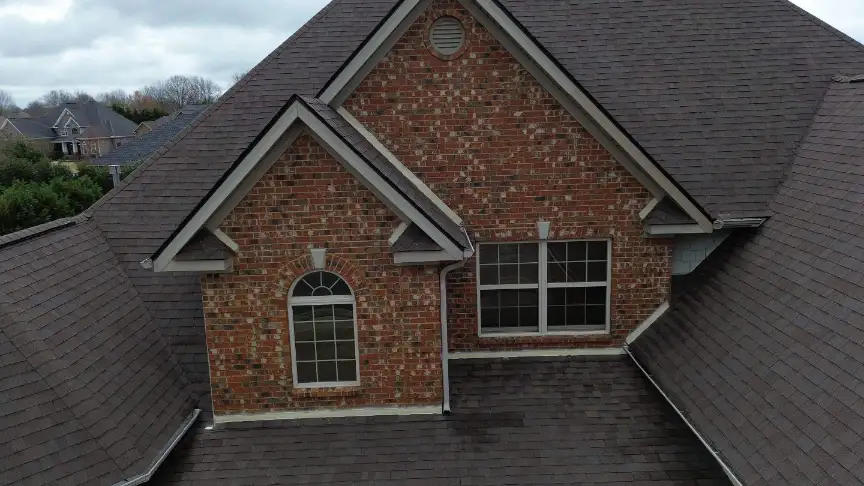
What normal settling can look like
Fresh shingles may show slight temporary unevenness, particularly after cool-weather work or when they have been bent during storage and handling. As temperatures become suitable, tabs often relax and form contact with the sealant below. The timeframe varies by shingle product and exposure; it is not a guaranteed number of days.
Normal unevenness versus installation defects
Broad, shallow irregularity soon after installation may be cosmetic. Sharp ridges, repeated raised fastener points, isolated lifted corners, or wrinkles tracing the underlayment deserve closer examination. A roofer should determine whether the issue comes from shingle placement, fasteners, deck irregularity or weather conditions.
The following signs can help homeowners decide when to contact their roofing contractor. Appearance alone cannot confirm the cause.
| What you notice | Possible explanation | Recommended action |
|---|---|---|
| Slight, widespread unevenness shortly after installation | Shingles may still be relaxing or bonding after cool-weather installation. | Document the appearance and ask the installer what is expected for the product. |
| Individual corners or tabs remain raised after suitable warm weather | Incomplete sealing or an installation issue may be involved. | Request a professional fastening and sealing inspection. |
| Sharp humps or repeated raised points | Fastener placement, trapped material or decking irregularities may be involved. | Have the contractor inspect the affected areas. |
| Shingles flutter, shift or allow water inside | The roof may have a condition requiring prompt attention. | Contact the installer promptly rather than waiting for the shingles to settle. |
Why roof decking matters
Shingles follow the surface underneath. Raised deck joints, warped plywood, a loose board or wrinkled underlayment can telegraph through the finished roof. A shingle manufacturer’s material warranty may not cover poor substrate preparation. Ask for photographs of decking repairs and the condition before the new roofing was installed.
What to do before the next windy storm
If tabs appear loose or flutter, contact the installer before severe weather. Do not walk the roof or lift shingles to see if they have adhered. An experienced roofer can check correct fastening, contact and necessary hand-sealing instructions without creating new damage.
When cool weather changes the answer
A cooler North Alabama installation may take longer to relax and seal than work completed in sustained warm sunlight. Manufacturer-specific instructions may call for additional precautions. Temperature does not explain every problem: a hump above a nail or sheathing joint should not be written off as normal curing.
If the shingles appear properly positioned but you are concerned about the adhesive bond, our guide to how long new shingles take to seal explains the weather conditions that affect bonding and when to contact your installer.
How to document and resolve the issue
Take ground-level photos under similar lighting, note the installation date and record any noticeable changes after suitable weather. Ask for the shingle brand and model and request a workmanship inspection if abnormalities persist. If water is entering the attic, seek prompt repair instead of waiting for cosmetic improvement.
Further reading and next steps
These published guides provide additional context for the decision and the parts of your roofing system involved:
- roof installation during winter
- hidden decking problems
- asphalt shingle product differences
- roof trouble signs
Technical reference: IKO: Residential Roofing FAQs. Manufacturer guidance depends on the product and installation conditions.
Huntsville Roofing Solutions serves homeowners in Huntsville and across North Alabama. For a problem that may be causing active water entry, request an inspection before selecting a repair or replacement scope. Observations described here are educational, not a diagnosis of your specific roof.

Jordan is the founder and owner of Huntsville Roofing Solutions, a locally owned, fully licensed and insured roofing company serving Huntsville and North Alabama. He and roofing supervisor Barry Minor have handled residential and commercial roofs across the region — replacements, repairs, storm damage, and insurance claims — earning a 4.9-star Google rating along the way.