
Yes, it is possible to replace a roof in winter in Huntsville and other parts of North Alabama, provided that the roof surface is safe, weather conditions are favorable, and roofing materials are installed according to the manufacturer’s instructions for cold weather.
Replacing a roof during the winter months does not automatically mean the work has to wait until spring. The condition of the roof, surface temperature, moisture, wind, frost, roofing material, and weather forecast all play an important role.
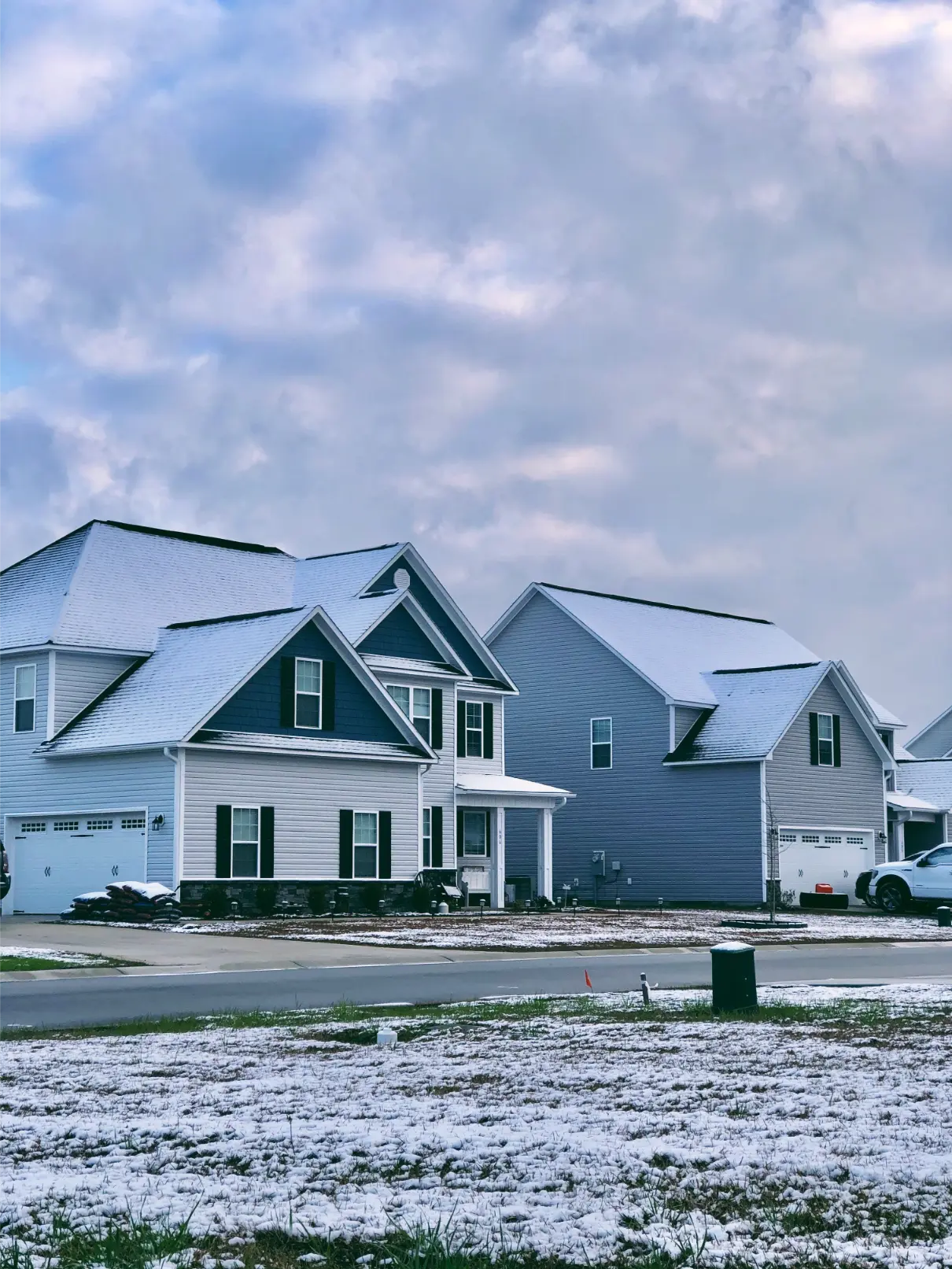
It is important to look beyond the fact that it is winter. A contractor also needs to know whether shingles can be handled properly, whether the roof is free from ice or frost, whether sealing can be completed correctly, and whether there is a suitable weather window for the installation.
Can a Roof Be Installed in Winter?
Yes, it is possible to replace a roof in winter when the roof and weather conditions allow the work to be completed safely.
Asphalt shingles and other roofing materials can be installed during colder months when the right procedures are followed.
The Asphalt Roofing Manufacturers Association (ARMA) states that asphalt shingles have been successfully installed in cold climates for many years. Cold-weather installation, however, requires extra attention to material handling, roof surface conditions, sealing, and manufacturer recommendations.
Cold weather can make shingles stiffer. Frost and ice may also create unsafe conditions, while lower temperatures can slow the performance of factory-applied sealant strips.
For that reason, there is no single temperature that prevents every roof installation in winter.
Why Winter Roof Replacement Can Work in Huntsville
Huntsville experiences cold winter weather, but that does not mean roof installation is impossible throughout the entire season.
According to the National Weather Service Huntsville climate data, normal daytime highs in December, January, and February are approximately 55°F, 52°F, and 57°F respectively.
Those 1991–2020 averages do not guarantee suitable roofing conditions every day, but they show that usable winter installation windows can occur in North Alabama.
A dry and calm winter day can sometimes be better for roofing than a rainy or stormy day during warmer weather.
Homeowners who want to know more about the company evaluating those conditions can read more about Huntsville Roofing Solutions.

What Changes When Replacing Roofs in Cold Weather?
Roof replacement in winter follows the same basic principles as roof replacement in warmer weather, but several cold-weather issues need extra attention.
Stiffness of Asphalt Shingles
Asphalt shingles tend to become more rigid as the temperature drops.
According to ARMA, cold shingles can crack or break under certain conditions. Roofers should avoid unnecessary bending, throwing, or dropping of shingle bundles during cold weather.
Extra care is also needed around roof valleys, hips, and ridges because these areas often require shingles to bend during installation.
Delayed Sealing Process
Most asphalt shingles have factory-applied thermally activated sealant strips.
Warmer conditions help shingles seal together after installation. During cold or cloudy weather, that process may take longer.
Depending on the manufacturer’s instructions, some shingles may need to be hand-sealed using an approved roofing cement or adhesive.
The exact installation procedure should always follow the instructions for the specific shingle product being installed.
Frost and Ice Can Stop Roof Installation
A roof surface can look dry from the ground while still having a thin layer of frost or nearly invisible ice.
ARMA recommends stopping installation when a roof surface is covered with frost or ice. This is not only an installation issue but also a serious safety concern for roofing crews.
A professional contractor should be prepared to postpone the start of work until morning frost clears.
Winter Provides Limited Working Periods
Winter days have fewer daylight hours, and temperatures can change significantly from early morning to afternoon.
For this reason, roofers may plan tear-off and installation in smaller sections instead of exposing a large part of the roof at once.
The goal is to keep the structure protected if conditions change.
What Is the Lowest Temperature for Roof Installation?
There is no single minimum temperature that applies to every roof installation.
Different manufacturers and roofing products have different temperature requirements.
ARMA advises contractors to refer to the specific shingle manufacturer instead of relying on one temperature for every asphalt roofing product.
A contractor should consider:
- Manufacturer installation instructions
- Roof-surface temperature
- Air temperature
- Frost or ice
- Wind conditions
- Moisture
- Shingle flexibility
- Sun exposure
- The upcoming weather forecast
This is why statements such as “you can never install a roof below 40°F” or “temperature does not matter” are too general.
Can a Roof Be Installed at 40°F?
Possibly, yes.
An air temperature of 40°F by itself does not determine whether a roof should be installed.
The roof surface needs to be dry and free from ice or frost, the materials must still be suitable for installation, and the contractor should follow the manufacturer’s cold-weather instructions.
Conditions can also change during the day. A roof that is unsuitable at 7:00 a.m. because of frost may become workable later once temperatures rise and the roof surface dries.
How Is Cold-Weather Asphalt Shingle Installation Performed?
Cold-weather installation of asphalt shingles requires extra attention to handling, fastening, and sealing.

During fastening, cold shingles need to remain flat. ARMA notes that fastening a shingle that is not lying flat can create installation problems, including the possibility of the fastener breaking through the shingle.
A roofer may also store materials in warm and dry conditions before installation to improve shingle flexibility.
Areas that require bending, including hips, ridges, and valleys, need special attention because cold shingles may be more likely to crack in these areas.
When Does Roof Replacement in Winter Make Sense?
Waiting until spring is not always the best decision.
If a roof is leaking, storm-damaged, deteriorated, or already failing, postponing replacement for several months can allow further water damage to reach roof decking, insulation, ceilings, walls, or interior finishes.
Replacing a roof in winter may make sense when:
- The existing roof can no longer keep water out effectively.
- The damage is too widespread for a localized repair.
- There is a dry and safe weather window.
- The selected roofing system is suitable for the conditions.
- The contractor can follow the manufacturer’s requirements.
- The roof can be protected if the weather changes.
The season is only one factor that should be considered, not the only one.
When Should Roof Replacement in Winter Be Postponed?
A responsible contractor should postpone roofing work when conditions do not allow the roof to be installed safely or properly.
Reasons to delay installation may include:
- Ice on the roof surface
- Frost that has not cleared
- Wet roof decking
- Incoming rain or snow
- Unsafe wind conditions
- Materials that cannot be handled properly
- Temperatures outside the manufacturer’s requirements
- Sealants or adhesives that cannot perform correctly
A weather delay does not always mean something has gone wrong. Sometimes stopping the work is the best way to protect the quality of the installation.
Does the Roofing System Type Change the Answer?
Yes. Different roofing systems react to winter conditions differently.
Asphalt Shingles
Cold weather reduces the flexibility of asphalt shingles and can slow thermal sealing.
Proper storage, handling, fastening, and manufacturer-approved sealing procedures become especially important in colder weather.
Metal Roofs
Unlike asphalt shingles, metal roofing does not rely on seal strips, but weather conditions still affect safe installation.
The roofer should consider surface moisture, safe footing, flashing, sealants, fasteners, thermal movement, and manufacturer requirements.
Low-Slope Roofing Systems
Membranes, primers, adhesives, coatings, and sealants used on low-slope roofs may have specific temperature requirements.
Some products cure more slowly during cold weather, while others require particular storage or application temperatures.
The right answer depends on the roofing system being used rather than simply whether the roof is flat or pitched.
Will Roof Replacement in Winter Take Longer?
It may, but winter does not automatically mean that roof replacement will take dramatically longer.
On a dry and clear day, the replacement process is similar to work completed during warmer weather:
- Remove the old roofing where necessary.
- Inspect the roof decking.
- Repair damaged decking if required.
- Install underlayment and water protection.
- Install flashing and roofing materials.
- Complete ridge, ventilation, and penetration details.
- Inspect and clean the site.
The main difference is that a winter crew may need to start later after frost clears, stop earlier because of limited daylight, or pause work because of changing weather.
Taking weather conditions into account is always better than forcing installation in unfavorable conditions.
Will Cold Weather Affect the Warranty?
Cold weather by itself does not mean a roofing warranty will be invalid.
The important issue is whether the roofing system is installed according to the manufacturer’s instructions.
Those instructions may include additional cold-weather requirements for material handling, fastening, hand-sealing, underlayment, adhesives, ventilation, flashing, or application temperatures.
Before work starts, homeowners should know which roofing product is being used and whether the manufacturer requires any additional installation procedures in cold weather.
Questions to Ask Before Scheduling Roof Replacement in Winter
You do not need to become a roofing technician before hiring a contractor, but you should expect clear answers about how winter conditions will be handled.
Useful questions include:
- Under what conditions would you postpone the work?
- What does the manufacturer recommend regarding temperature?
- How will materials be stored before installation?
- Would these shingles require hand-sealing in cold weather?
- How will you check the roof for frost or moisture?
- How much roofing will be removed at one time?
- How will the roof be protected if the forecast changes?
- How will winter affect the installation schedule?
The contractor’s answer should be specific to the roofing product, the roof itself, and the forecast rather than simply saying that roofs can be installed during every season.
Frequently Asked Questions About Winter Roof Replacement
Can Asphalt Shingles Be Installed in Cold Weather?
Yes, asphalt shingles can be installed in cold weather when the manufacturer’s instructions are followed and the roof surface is safe.
Special attention should be given to material handling because cold shingles become more rigid, and sealant strips may also need additional time to seal.
What Temperature Is Too Cold for Roof Installation?
There is no single temperature that applies to every roofing system.
The roofer should follow the manufacturer’s instructions and consider roof surface conditions, wind, moisture, frost, material flexibility, and sealing requirements.
Can Roofers Work When There Is Frost?
Roofing work should not continue on a roof covered with ice or frost.
ARMA recommends waiting until the roof is free from ice and frost before continuing asphalt shingle installation.
Do Shingles Seal in Winter?
Yes, but the process can take longer.
Many asphalt shingles use thermally activated sealant that responds to sunlight and heat. Depending on the roofing product and installation conditions, manufacturer-approved hand-sealing may also be required.
Is a Roof Installed in Winter Lower Quality?
No. A roof is not necessarily lower quality simply because it was installed in winter.
Installation quality depends on suitable working conditions, proper material handling, correct fastening and sealing, and compliance with manufacturer instructions.
Should I Wait Until Spring to Replace My Roof?
If your roof is stable and weather conditions are unsuitable, waiting may make sense.
However, a leaking, storm-damaged, deteriorated, or failing roof should not automatically be left for several months simply because it is winter.
The roofing contractor should evaluate both the condition of the roof and the conditions available for installation.
The Bottom Line: Can You Replace a Roof in Winter?
Yes, roof replacement in winter can be successful in Huntsville when conditions are favorable and the roofing system is installed correctly.
The most important factors are a dry and safe roof surface, proper handling of materials in cold weather, compliance with manufacturer instructions, correct fastening and sealing, and a weather window that allows the roof to remain protected throughout the job.
If your roof is leaking, storm-damaged, deteriorated, or approaching replacement, you do not have to guess whether winter conditions are suitable.
Contact Huntsville Roofing Solutions to schedule an inspection and discuss whether replacing your roof now or waiting for another suitable weather window makes more sense for your property.

Jordan is the founder and owner of Huntsville Roofing Solutions, a locally owned, fully licensed and insured roofing company serving Huntsville and North Alabama. He and roofing supervisor Barry Minor have handled residential and commercial roofs across the region — replacements, repairs, storm damage, and insurance claims — earning a 4.9-star Google rating along the way.