
New asphalt shingles do not have a fixed sealing deadline. Their factory-applied adhesive strips bond when the shingles are in proper contact and receive enough warmth from the sun. On a warm, sunny roof, bonding may begin soon after installation; cool weather, shade, roof orientation, and shingle design can delay it for weeks or until a warmer season. Do not assume a new roof is defective because every strip has not sealed overnight. Ask your roofer about manufacturer-specific cold-weather fastening and hand-sealing instructions.

What it means for shingles to seal
Most modern asphalt shingles have a heat-activated adhesive strip designed to bond one course to the next and help resist wind uplift. Nails secure the shingles mechanically, while the sealant provides additional holding power. Adhesive does not work by drying like house paint; heat, placement and clean contact surfaces matter.
Why one roof seals faster than another
Sun exposure, air temperature, slope, roof aspect, dust and product formulation all influence bonding. A south-facing slope can warm differently from a shaded north-facing one. During cool-weather installations, the surface may remain too cool for natural activation even if an afternoon briefly feels pleasant.
| Roof conditions | What to expect | Recommended action |
|---|---|---|
| Warm, sunny weather | Adhesive bonding may begin after sufficient warmth and direct sun exposure. | Follow the manufacturer’s instructions and installer guidance. |
| Cold or shaded roof | Sealing may be delayed until suitable warmer conditions return. | Ask whether product-specific hand sealing is required. |
| Shingles visibly lifting or fluttering | Installation or wind-resistance concerns may require attention. | Contact the roofer for an inspection rather than waiting for warmer weather. |
Does a windy day mean unsealed shingles will blow off?
Wind exposure is an important reason to follow the shingle manufacturer’s installation instructions. Some products and conditions require hand sealing or modified handling, especially on steep or cold roofs. Do not lift tabs yourself to test their adhesion; this can damage the shingles or disturb an emerging bond.
When a delayed seal becomes a concern
Ask the contractor to inspect if tabs remain visibly lifted after suitable warm weather, if shingles flutter, if wind has displaced material, or if water enters the home. A uniform slight unevenness soon after cold installation can be temporary; isolated buckling or an upward hump over a nail requires a different assessment.
If your concern is raised edges, uneven courses, or visible humps rather than sealing time alone, read our guide to why new roof shingles are not lying flat. It explains when unevenness may be temporary and when installation or decking problems need inspection.
What manufacturers mean by warm-weather application
For example, GAF describes warmth and sunlight as important to activating shingle sealant and discusses additional precautions below approximately 40°F (4°C). That is a product-specific guidance reference, not a universal activation threshold for every roof and shingle brand. Always follow the instructions for the installed product.
A homeowner-friendly way to follow up
Keep the material label and installation invoice, then ask which brand, model, exposure and cold-weather method were used. If you suspect incomplete bonding, request photos or a professional check from a safe vantage point. Allow the contractor to distinguish normal curing from actual fastening problems.
Further reading and next steps
These published guides provide additional context for the decision and the parts of your roofing system involved:
- installing shingles in colder months
- common asphalt shingle types
- steps in a typical roof replacement day
- signs a roof needs attention
Technical reference: GAF: Cool Weather Roofing and Shingle Sealing. Manufacturer guidance depends on the product and installation conditions.
Huntsville Roofing Solutions serves homeowners in Huntsville and across North Alabama. For a problem that may be causing active water entry, request an inspection before selecting a repair or replacement scope. Observations described here are educational, not a diagnosis of your specific roof.
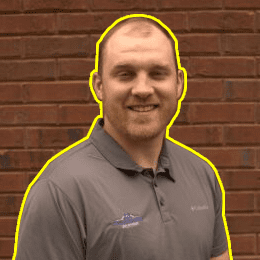
Jordan is the founder and owner of Huntsville Roofing Solutions, a locally owned, fully licensed and insured roofing company serving Huntsville and North Alabama. He and roofing supervisor Barry Minor have handled residential and commercial roofs across the region — replacements, repairs, storm damage, and insurance claims — earning a 4.9-star Google rating along the way.