

The first mistake after a denial is treating every denial as the same problem.
One insurer may be saying:
- The roof was not damaged by the reported storm.
- The condition is wear and tear rather than sudden damage.
- Some damage is covered but the rest is excluded.
- The amount of covered damage falls below the deductible.
- The roof can be repaired rather than replaced.
- A policy condition was not satisfied.
Those are different disputes, and they do not all have the same solution.
1. Start With the Exact Reason Your Roof Claim Was Denied
Do not begin with the question, “How do I appeal?”
Begin with:
“What exactly did the insurer decide, and why?”
Alabama’s property-and-casualty claim-settlement rules state that when a first-party claim is denied because of a specific policy provision, condition or exclusion, the denial must reference that provision, condition or exclusion.
Read the denial alongside the policy rather than reading the denial letter by itself.
Look for:
- The reported date of loss.
- The cause of loss the insurer accepted or rejected.
- The specific policy wording cited.
- Any exclusion for wear, deterioration, faulty installation or maintenance.
- Your wind or hail deductible.
- Any roof-specific endorsements.
- Any notice, proof-of-loss or suit-limitation provisions.
If the letter is unclear, ask the insurer in writing to explain which damage it accepted, which damage it rejected and which policy terms support that decision.
2. Determine Whether You Were Actually Denied or Simply Not Paid What You Expected
Homeowners frequently use the word “denied” for several different claim outcomes.
| Claim Outcome | What It Usually Means | Most Useful Next Question |
|---|---|---|
| Full denial | The insurer says the reported roof loss is not covered | Why is the cause or condition excluded? |
| Partial denial | Some damage is accepted while other damage is excluded | Which specific items were accepted and rejected? |
| Below deductible | The insurer may recognize covered damage but estimates it below the applicable deductible | Is the dispute about scope or simply the deductible? |
| Repair instead of replacement | The insurer recognizes some damage but believes localized repair is sufficient | What evidence supports repairability? |
| ACV payment lower than expected | Depreciation or settlement terms may be affecting the first payment | Is depreciation recoverable under the policy? |
If the problem is ACV, RCV or recoverable depreciation rather than a true coverage denial, use our separate explanation of ACV vs. RCV roof insurance.
3. Compare the Denial With What Actually Happened to the Roof
A denial deserves stronger scrutiny when the insurer’s stated reason does not appear to match the physical evidence.
For example, imagine the denial says the roof shows ordinary deterioration rather than storm damage.
The next question is not:
“Can my roofer argue with the adjuster?”
It is:
“What objective evidence helps distinguish storm damage from pre-existing wear?”
Useful documentation may include:
- Dated photographs from soon after the storm.
- Photographs of missing, creased or displaced shingles.
- Photographs of gutters, vents or other collateral damage.
- Interior leak photographs.
- Temporary-repair invoices.
- A roofing inspection documenting the location and type of physical damage.
- A repair or replacement scope explaining what work is physically necessary.
- Earlier roof photographs showing the pre-loss condition, if available.
If hail is the disputed cause, use our guide to identifying hail damage on a roof to understand what supports a hail assessment and what does not.
If the issue is whether the condition resulted from wind or gradual deterioration, see wind damage versus normal roof wear.
4. Ask for Reconsideration or a Reinspection When You Have New Evidence
A denial does not prevent you from sending additional relevant information to the insurer.
The Alabama Department of Insurance’s disaster guidance tells policyholders to contact the insurer and claims adjuster when they discover additional damage or have additional information concerning the claim.
A useful reconsideration request should be specific.
Rather than writing:
“I disagree. Please pay for my roof.”
Explain:
- Which part of the denial you dispute.
- Which policy language you believe is relevant.
- What new evidence you are submitting.
- Which roof areas you want reconsidered.
- Why you believe another inspection is appropriate.
Keep copies of everything.
Keep a log of telephone calls with the date, time, name and role of the person you spoke with.
The goal is to create a clear claim record, not to make the letter sound threatening.
5. Understand What a Roofing Contractor Can and Cannot Do
A roofing contractor can be extremely useful after a denial—but the role has limits.
A roofer can:
- Inspect the roofing system.
- Photograph physical damage.
- Identify damaged roofing components.
- Explain what repairs are physically required.
- Prepare a construction estimate.
- Answer technical questions about repairability and installation.
A roofer does not decide insurance coverage.
Alabama law also states that a residential roofing contractor may not represent or negotiate an insurance claim on behalf of the property owner.
That distinction is important.
The contractor can provide the factual roofing evidence. You, the insurer and—when needed—proper legal or regulatory channels handle the coverage dispute.
For the broader claim workflow, see Huntsville Roofing Solutions’ roof insurance claim assistance guide.
6. Know When Appraisal May—and May Not—Help
Some homeowners policies contain an appraisal clause for disagreements over the amount of loss.
Appraisal is not automatically available under every policy, and it should not be treated as a universal “appeal” of a denied claim.
The distinction is easiest to see with two examples.
Possible amount-of-loss dispute
The insurer and homeowner agree that wind damage is covered, but they disagree over how much covered roofing work is required or what that work costs.
If the policy contains an applicable appraisal clause, appraisal may be relevant.
Coverage or causation dispute
The insurer says the shingles were damaged by wear and aging. The homeowner says the shingles were damaged by wind.
That is not simply a disagreement about price.
Alabama Supreme Court precedent distinguishes appraisal of the amount of loss from decisions about coverage and causation; appraisal is not a substitute for resolving those coverage questions.
Read the actual appraisal language in your policy before assuming this process applies.
7. File a Complaint With the Alabama Department of Insurance if the Insurer Does Not Resolve the Issue
The Alabama Department of Insurance recommends contacting the insurance company first.
If you do not receive a satisfactory response, you can submit a consumer complaint.
Consumer Services can send the complaint to the insurer, require a response, review whether the insurer acted according to the policy and Alabama insurance obligations, and require corrective action when appropriate.
In February 2026, ALDOI reported that its Consumer Services division recovered more than $3.8 million for Alabama insurance consumers during 2025 through complaint resolutions.
But the Department has important limits.
It says it cannot:
- Act as your lawyer.
- Determine the value of your claim.
- Decide disputed facts when the parties disagree over what happened.
- Intervene in a pending lawsuit.
That makes a DOI complaint particularly useful when your concern involves how the insurer handled the claim, whether the insurer followed the policy or whether applicable insurance obligations were followed.
It is not a state-run process for simply ordering the insurer to pay whatever your contractor estimated.
8. Alabama Also Has a Disaster-Claim Mediation Framework—but Do Not Assume It Automatically Applies
Alabama’s Administrative Code contains a mediation process for certain disputed personal-lines residential property claims arising from hurricanes, tropical storms, tornadoes and other disasters.
The rules include claims in which payment has been denied or the parties have a qualifying monetary dispute.
However, there is an important qualification: the regulation says the Insurance Commissioner will issue a bulletin indicating when the mediation chapter applies.
So do not assume that mediation is automatically available for every denied roof claim in Alabama.
If your denial follows a declared or significant disaster event, ask Alabama Department of Insurance Consumer Services whether the mediation program is currently applicable to your loss.
9. Do Not Follow Generic Advice to “Hire a Public Adjuster” Without Checking Alabama Rules
Many national articles about denied property claims immediately recommend hiring a public adjuster.
That advice does not transfer cleanly to Alabama.
The Alabama Department of Insurance’s current licensing FAQ states that Alabama does not license or recognize public adjusters.
That is why this guide does not treat a public adjuster as the standard next step for an Alabama roof claim.
Use Alabama-specific regulatory and legal guidance rather than assuming a claims process from another state applies here.
10. A Denied Claim May Give You a Specific Right to Cancel an Insurance-Funded Roofing Contract
This is one of the most important Alabama-specific protections to know.
Under Alabama Code § 8-36-2, a homeowner who entered into a qualifying written residential roofing contract that is to be paid from property-and-casualty insurance proceeds may have the right to cancel if the insurer later provides written notice that all or part of the claim is not covered, or that the covered amount will not be sufficient to cover the roofing contract.
The statute provides a cancellation window before midnight on the fifth business day after receiving that specified written insurer notice.
That is not a universal five-day cancellation right for every roofing contract.
The trigger and timing matter.
If this situation applies to you, read the roofing contract and the statutory cancellation notice carefully and get legal advice if you are uncertain about your rights.
11. Keep Protecting the House While the Claim Is Disputed
A denied claim does not make an active leak less urgent.
Continue taking reasonable steps to prevent additional damage, particularly if the roof is open or water is entering the home.

Document the condition before temporary work where possible.
Keep:
- Photographs.
- Receipts.
- Invoices.
- Emails.
- Claim correspondence.
Do not make unnecessary permanent alterations before the disputed condition has been adequately documented unless waiting would create additional damage or a safety problem.
12. When Should You Talk to an Alabama Attorney?
Not every denied roof claim requires a lawsuit.
Many disputes are resolved with clearer documentation, another inspection, reconsideration or the Department of Insurance complaint process.
Legal advice becomes more relevant when:
- The insurer and homeowner fundamentally disagree about coverage.
- The insurer refuses to reconsider substantial new evidence.
- A significant amount of money is at issue.
- You believe contractual or statutory deadlines may be approaching.
- The dispute involves alleged bad faith or breach of contract.
- You are considering litigation.
Do not assume every policy has the same deadline for suit or other action.
Insurance-policy provisions and applicable law can impose time limits, so a homeowner considering legal action should obtain advice promptly rather than waiting indefinitely.
Once an attorney is involved, note that Alabama DOI says its Consumer Services division cannot assist with the insurance complaint in the same way.
What If the Insurance Company Says the Roof Is Just Old?
Roof age by itself does not answer the cause-of-loss question.
An older roof can still experience storm damage.
But insurance also does not generally turn an aging roof into a new roof simply because a storm occurred nearby.
The Alabama Department of Insurance specifically explains that when only part of a roof was damaged by a covered peril, the insurer may only owe for repairing that covered damage; if the rest of the roof needs replacement because of ordinary wear, the homeowner may be responsible for that additional cost.
This is where documentation matters.
The question becomes:
What changed because of the reported event, and what condition already existed?
What If My Roofer Says I Need a Full Replacement but Insurance Approved Only a Repair?
That disagreement does not automatically mean either side is acting improperly.
Ask the contractor to explain why the roof cannot be properly repaired.
Useful questions include:
- Are the affected shingles physically repairable?
- Can compatible materials be sourced?
- Would the proposed repair disturb otherwise sound roofing?
- Is the problem localized or widespread?
- Is the disagreement about physical repairability, price, causation or policy coverage?
A clear technical explanation gives the insurer something concrete to evaluate.
“My roofer says I need a whole roof” is weaker documentation than photographs, product information and an itemized explanation of why a localized repair will or will not work.
What Should You Avoid Doing After a Roof Claim Denial?
- Do not assume the denial is automatically final. New evidence can sometimes justify reconsideration.
- Do not assume the insurer is automatically wrong. Some denials accurately apply policy exclusions or distinguish storm damage from wear.
- Do not let a roofer promise coverage. Contractors document construction conditions; insurers determine coverage.
- Do not rely on verbal conversations alone. Keep written records.
- Do not confuse an underpayment with a coverage denial. Identify the actual dispute first.
- Do not invoke appraisal blindly. Read the policy and determine whether the dispute is actually about amount of loss.
- Do not ignore deadlines. Policy and legal time limits can matter.
Frequently Asked Questions About Denied Roof Claims in Alabama
Can a denied roof insurance claim be reopened in Alabama?
Potentially. A homeowner can provide new information and ask the insurer to reconsider or reinspect the claim. Whether the insurer changes its decision depends on the policy, the reason for denial and the evidence submitted.
Can I appeal a roof claim denial?
There is no single universal appeal procedure for every homeowners policy. Contact the insurer, request its reconsideration or dispute procedure in writing and follow any policy-specific requirements. If the issue remains unresolved, Alabama DOI Consumer Services may accept a complaint.
Can the Alabama Department of Insurance overturn my denial?
The Department can review whether the insurer complied with the policy and applicable legal obligations and can require corrective action when warranted. It does not act as your attorney, decide disputed facts or determine how much your claim is worth.
Should I use appraisal after a denied roof claim?
Only if the policy provides for appraisal and the dispute fits the appraisal provision. Alabama cases distinguish disputes about the amount of loss from disputes about coverage or causation, which appraisal generally does not decide.
Can my roofing contractor negotiate with insurance for me?
No. Alabama law prohibits a residential roofing contractor from representing or negotiating an insurance claim on behalf of the homeowner. A roofer can inspect the roof, document damage and prepare a construction estimate.
Can I cancel my roofing contract if insurance denied the claim?
In certain insurance-funded residential roofing contracts, yes. Alabama Code § 8-36-2 provides a five-business-day cancellation window triggered by specified written insurer notice that all or part of the claim is not covered or that insurance proceeds will not sufficiently cover the contract. Review the exact statutory conditions and your contract.
Does an old roof automatically mean insurance can deny storm damage?
No. Age alone does not prove the cause of damage. However, ordinary wear and deterioration are different from sudden covered damage, and an insurer may limit payment to the portion physically damaged by a covered peril under the policy.
The Bottom Line
If your roof claim is denied in Alabama, first identify exactly what was denied and why.
Then separate the problem into the right category:
- Coverage or exclusion dispute.
- Storm damage versus wear-and-tear dispute.
- Repair-versus-replacement scope dispute.
- Amount-of-loss dispute.
- Deductible or depreciation misunderstanding.
- Claim-handling concern.
Build the next step around that specific problem.
Submit stronger documentation when it exists. Ask for reconsideration or reinspection when justified. Read the policy before invoking appraisal. Use Alabama Department of Insurance Consumer Services when insurer-handling or policy-compliance concerns remain unresolved. Get legal advice promptly when the dispute involves significant coverage questions, contractual deadlines or litigation.
And remember that a roofing contractor’s most useful contribution is factual: documenting what happened to the roof and what construction work is actually required.
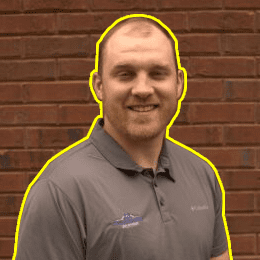
Jordan is the founder and owner of Huntsville Roofing Solutions, a locally owned, fully licensed and insured roofing company serving Huntsville and North Alabama. He and roofing supervisor Barry Minor have handled residential and commercial roofs across the region — replacements, repairs, storm damage, and insurance claims — earning a 4.9-star Google rating along the way.