Yes. A roofing contract should identify the agreed shingle manufacturer, product line, color, and relevant system accessories or provide an equally clear product specification. “Architectural shingles” alone may leave important differences in warranty, wind-rating eligibility, impact resistance, appearance, and installed system details unresolved. Ask for the exact product before signing and require your written approval for substitutions. This article focuses on identifying what the contractor promises to install—not choosing the best shingle for North Alabama or comparing roof materials by price.
What information should appear in the written scope?
At minimum, the document should identify the manufacturer, shingle line, color, roof surfaces included, removal of existing materials, underlayment, starter and ridge-cap products, flashing work, ventilation work, and warranty obligations. A shingle line can have several colors and configurations; a generic brand name is not always enough. If impact resistance or a special manufacturer warranty was part of the sales conversation, the specific qualifying product and installation conditions should be recorded. Keep a copy of the original product sheet or bid attachment.
The roofing quote line-item guide explains other materials your scope should identify.
Why is “30-year shingle” too vague?
Marketing descriptions and limited warranties are not the same as a guarantee that a roof will last an exact number of years. Two architectural shingle lines may differ in material construction, installation instructions, warranty exclusions, and suitability for the project. Ask the roofer to specify the actual product and explain the significance of any performance rating. Do not choose based on a single advertised wind-speed number without considering required installation, roof geometry, ventilation, and manufacturer terms.
Compare broad shingle classes in the architectural versus 3-tab guide.
Can a contractor substitute an equivalent product?
A substitution can be reasonable if the original color or line is unavailable, but “equivalent” should not be decided unilaterally when the contract names a particular product. Ask for the replacement’s full name, technical sheet, warranty comparison, appearance differences, and any price change. Approve the revision in writing before installation. If the contractor installed something different without approval, document the packaging and speak with them promptly. Photos of discarded bundles can help establish what was actually delivered.
What about North Alabama wind and hail concerns?
North Alabama homeowners may value wind resistance, hail-related impact classifications, or algae-resistance features, but none guarantees that a future storm cannot damage the roof. Impact classifications describe testing, not a promise of insurance coverage or reduced premiums. Ask whether a selected product must be installed with specific accessories or fastening patterns to qualify for its published warranty. Product choice should fit the home’s exposure and the manufacturer’s requirements, not only the sales label.
For hail-rating terminology, see the impact-resistant shingle guide.
How do I confirm the installed product?
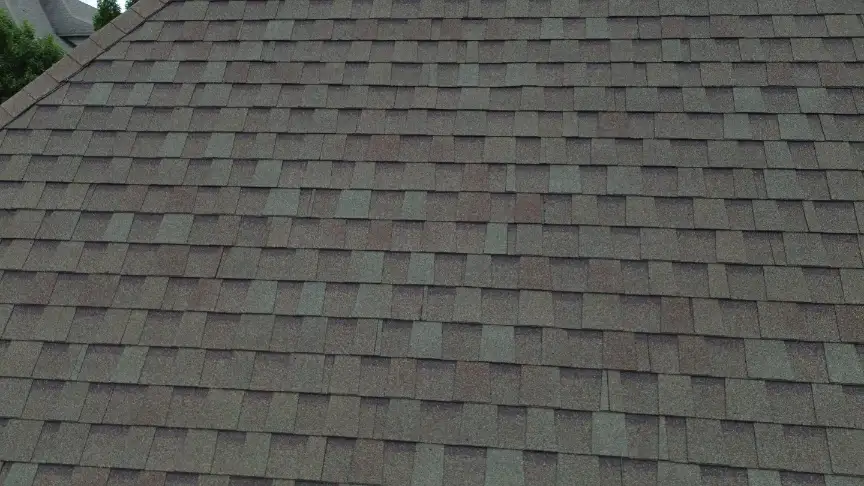
Ask the contractor to retain a photograph of bundle labels, invoices or delivery tickets identifying the materials installed. Product colors can look different in sunlight, and some shingle patterns resemble one another; photos of the roof alone may not reliably confirm the model. The manufacturer’s warranty registration, where applicable, should match the final product and installation date. A legitimate contractor should be able to reconcile the signed scope with the materials actually used.
What if I want a different shingle after signing?
Request a written change showing the new product, cost difference, delivery impact, and resulting warranty conditions. A change to color can be simple if materials have not been ordered; a change to impact-rated shingles or a different system may affect accessories and pricing. Do not rely on an informal text saying “upgrade me” without an accepted scope. Written specificity protects both the homeowner and the roofing company from later disputes about what was promised.
For contract language beyond shingles, review the roofing contract questions.
What a specific shingle specification looks like
A useful written description identifies the manufacturer, full product line, color, and any specified warranty or installation system. A contract that merely says “architectural shingles” leaves meaningful choices unresolved: products can differ in weight, wind-rating conditions, algae-resistance claims, colors, and approved companion components. One illustrated specification might say “manufacturer and line as identified in the signed product schedule; selected color: charcoal; underlayment and ridge components per attached scope.” That is an example of specificity, not a recommendation of one product or an assertion that a given brand is always best for North Alabama. The contract should also state how a discontinued or unavailable product would be handled. A legitimate equivalent substitution should be documented and approved rather than silently made in the field.
Three checkpoints from proposal to closeout
At proposal stage, request a product sheet showing the exact line and color; check the manufacturer’s installation instructions and any warranty conditions that matter to the quoted system. Before installation, confirm the distributor delivery ticket or packaging labels where practical, especially if the job was delayed and stock changed. At closeout, ask which product was actually installed and retain the invoice, warranty registration information if applicable, and photographs of relevant packaging or labels. There may be limits to what can be proved once shingles are installed, so agreement before construction is more effective than a dispute afterward. If your insurer has approved one material and you choose an upgrade, separate the owner-paid difference in writing. Product documentation helps future warranty questions and home resale, but it does not by itself establish that every installation detail complied with the manufacturer’s instructions.
Frequently asked questions
Is the manufacturer name alone specific enough?
Usually not when several product lines are available. Ask for the line, color, relevant system accessories, and any promised rating or warranty tier. A generic brand on a contract can create ambiguity about whether the installed shingle matches the homeowner’s expectation.
Do I need to save shingle packaging?
You do not need to keep physical wrappers, but a photo of bundle labels and the product documentation can be useful. Ask for the invoice or completion summary identifying the manufacturer and product line, plus any warranty registration instructions.
Can I refuse an unapproved material substitution?
Your rights depend on the written contract and circumstances. If a different product is proposed, ask for the change in writing before it is installed and compare warranty, performance, appearance and price. Where the wrong product is already on the roof, document the concern and review the agreement promptly.
References and official guidance
Regulations, contracts, and insurance policies can change. This discussion is general information, not legal advice or a determination of coverage.
For a roof-specific assessment in Huntsville or North Alabama, contact Huntsville Roofing Solutions. An inspection and written scope are needed before recommending construction work.

Jordan is the founder and owner of Huntsville Roofing Solutions, a locally owned, fully licensed and insured roofing company serving Huntsville and North Alabama. He and roofing supervisor Barry Minor have handled residential and commercial roofs across the region — replacements, repairs, storm damage, and insurance claims — earning a 4.9-star Google rating along the way.