
Class 4 Impact-Resistant Shingles: Worth It in Alabama?
For many Alabama homeowners who already plan to install asphalt roofing, Class 4 impact resistant shingles are worth considering—but the Class 4 label alone should not make the decision. Class 4 is the highest impact classification under the UL 2218 laboratory standard, giving the roofing material greater tested resistance to impact than lower-rated products. However, Class 4 does not mean hail-proof, not every Class 4 shingle performs equally under more realistic hail testing, and an insurance discount should never be assumed before checking the exact product with your carrier.
The practical question is therefore not simply, “Is Class 4 better?” It is: Does the added impact resistance of a specific product justify the upgrade for your Alabama home, budget and storm exposure?
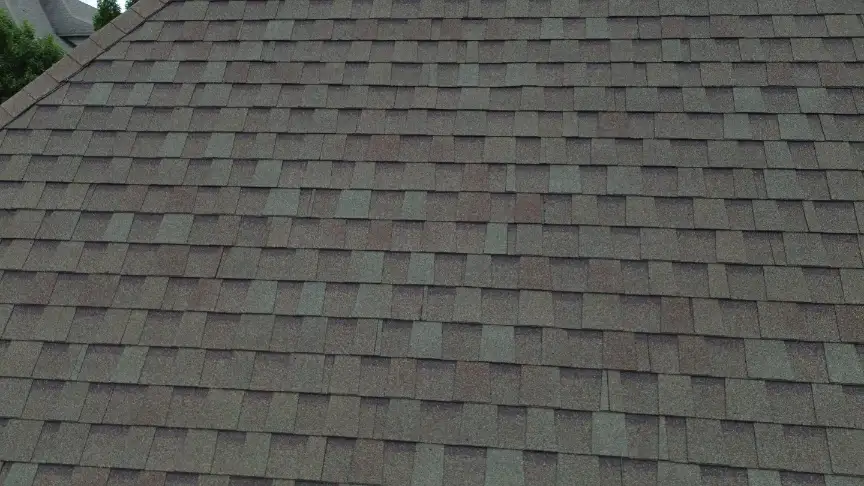
What Are Class 4 Impact Resistant Shingles?
Class 4 refers to the highest impact-resistance classification in UL 2218, a laboratory test used for roofing materials.
According to the Insurance Institute for Business & Home Safety, UL 2218 evaluates roofing materials using steel-ball impacts. The classifications progress from Class 1 through Class 4, with Class 4 associated with a 2-inch steel ball.
The product is evaluated after repeated impacts to determine whether the material meets the test criteria.
That makes Class 4 useful because it gives homeowners a standardized way to distinguish an impact-rated roofing product from a conventional product that has not earned the same classification.
But it is equally important to understand what the rating does not mean.
Class 4 Does Not Mean Hail-Proof
A Class 4 roof can still be damaged by hail.
Natural hail does not behave exactly like a laboratory steel ball. Real hailstones vary in:
- Diameter.
- Shape.
- Hardness.
- Density.
- Impact angle.
- Velocity.
- Wind direction.
The same storm can also produce hailstones with significantly different physical properties.
IBHS field and laboratory research shows that hail can damage asphalt shingles through several mechanisms, including dents or deformation, tears or breaches, and displacement of the protective surface granules.
Class 4 therefore means tested impact resistance. It does not guarantee that the roof will come through every Alabama hailstorm without damage.
If you are trying to determine whether an existing roof was actually damaged during a storm, that is a separate search intent. Use our guide to identifying hail damage on a roof.
Not All Class 4 Shingles Perform the Same
This is one of the most important points homeowners can miss when comparing roofing proposals.
Two products can both carry an impact-resistant designation while performing differently when exposed to hail that more closely resembles natural storms.
IBHS developed its own Hail Impact-Resistant Shingle Ratings to compare products using laboratory-manufactured hailstones designed to better reproduce characteristics of natural hail.
Instead of simply treating the test as pass or fail, IBHS evaluates damage modes such as:
- Dents and deformation.
- Tears and cracks.
- Granule loss.
In its 2025 update, IBHS evaluated 24 impact-resistant shingle products representing approximately 95% of the impact-resistant shingles sold annually. Most products received a Good overall rating, while none received an Excellent rating in that testing cycle.
That is useful buying information.
If hail performance is the main reason you are paying for an upgrade, check both the UL 2218 classification and the current IBHS product rating.
Why Impact Resistance Matters in Alabama
Alabama homes can be exposed to severe thunderstorms that bring combinations of hail, high wind and heavy rainfall.
An asphalt roof does not have to experience a catastrophic storm to accumulate impact damage. Hail can disturb surface granules, deform shingles or damage the shingle mat, depending on the hail characteristics and the roofing product.
An impact-resistant shingle does not remove that risk, but selecting a product engineered and tested for stronger impact performance can improve the roof’s resilience compared with an otherwise similar non-impact-rated product.
That becomes especially relevant when a homeowner is already replacing the roof and plans to remain with asphalt shingles.

Are Class 4 Shingles Worth the Extra Cost?
The answer depends on the incremental upgrade cost, not simply the total roof price.
If you have already decided on an architectural asphalt roof, compare the quote for your standard shingle option with the quote for the specific Class 4 product.
Then evaluate what the additional amount buys you:
- A higher standardized impact classification.
- Potentially better resistance to common hail impacts.
- Possibly stronger performance in independent IBHS testing.
- A potential insurance benefit if your carrier and product qualify.
- The ability to remain with the familiar appearance and installation style of asphalt shingles.
The upgrade becomes harder to justify when the additional cost is substantial but the selected product does not perform particularly well in independent hail testing, or when the homeowner’s long-term roofing priorities point toward a different material entirely.
When Class 4 Shingles Make the Most Sense
Class 4 shingles become a more compelling option when several of the following are true:
- You already intend to install asphalt shingles.
- Hail resistance is an important purchasing priority.
- The incremental upgrade price is reasonable.
- The exact product has a strong current IBHS rating.
- You plan to keep the roof for a substantial portion of its service life.
- Your insurer has confirmed a qualifying roofing credit.
- The color and profile you want are available in a qualifying product.
Appearance still matters. Impact-rated products are available in different colors and profiles, but the available palette depends on manufacturer and product line. If you are narrowing the aesthetic side of the decision, review our shingle roofing and color options.
When the Upgrade May Not Be Worth It
Class 4 should not become an automatic upsell on every roof.
The upgrade may be less compelling when:
- The price difference is unusually high.
- The specific product has weak independent hail-test results.
- The insurer offers no meaningful benefit for your policy.
- You are choosing Class 4 only because someone described it as “hail-proof.”
- The roof has other system problems that deserve priority, such as damaged decking or poor ventilation.
- You are already considering a fundamentally different roof system such as standing seam metal.
A stronger shingle does not compensate for poor installation.
Deck preparation, underlayment, flashing, ventilation, fastening and manufacturer-required accessories still matter. A Class 4 label on the bundle does not turn a poorly built roof into a high-performance roofing system.
Can Class 4 Shingles Lower Homeowners Insurance in Alabama?
Possibly—but do not assume the answer or the percentage.
As of September 2026, State Farm’s current homeowners insurance discount guidance explicitly lists Alabama among the states where roofing discounts are available for certain qualifying impact-resistant roofing products.
State Farm also says:
- Only certain roofing products qualify.
- Homeowners must complete a roofing installation and certification form.
- Premium reductions generally do not apply when qualifying roofing is simply overlaid onto an existing roof.
- Discount names, percentages, availability and eligibility vary by state.
That confirms that a current Alabama program exists with at least one major carrier. It does not mean every Class 4 roof receives a discount from State Farm, and it does not mean every Alabama carrier has the same program.
For that reason, do not calculate the value of a Class 4 upgrade using an assumed insurance percentage.
Before choosing the shingle, ask your insurer or agent:
- Does my exact policy offer an impact-resistant roof credit?
- Which manufacturers and product lines currently qualify?
- Does the product have to be UL 2218 Class 4?
- What installation documentation is required?
- Does accepting the discount change any cosmetic-hail coverage?
- What will my actual premium be with and without the qualifying roof?
Get the answer before installation whenever insurance savings are part of the buying decision.
Class 4 and FORTIFIED Are Not the Same Thing
Another common source of confusion is treating a Class 4 shingle and a FORTIFIED roof as interchangeable.
They are not.
Class 4 describes the roofing product’s performance under a particular impact test.
FORTIFIED evaluates a broader roof system and installation approach, including how the deck is attached and sealed and how the roof performs against wind and water intrusion.
The distinction is particularly important for hail.
Under the current FORTIFIED Hail Supplement requirements, asphalt shingles must receive a Good or Excellent rating in the current IBHS Hail Impact-Resistant Shingle Ratings.
In other words, an asphalt shingle being marketed as Class 4 does not automatically establish that it meets every current FORTIFIED hail requirement.
Class 4 Shingles vs Standard Architectural Shingles
| Consideration | Standard Architectural Shingle | Class 4 Impact-Resistant Shingle |
|---|---|---|
| Impact classification | May be unrated or carry a lower impact classification | UL 2218 Class 4 |
| Hail resistance | Depends on product | Designed and tested for greater impact resistance |
| Hail-proof? | No | No |
| Independent product differences | Yes | Yes — IBHS testing shows meaningful differences among IR products |
| Appearance | Wide range of profiles and colors | Varies by manufacturer and IR product line |
| Upfront price | Usually lower within a comparable product family | Usually carries an upgrade cost |
| Potential insurance credit | Depends on carrier and product | May qualify with some carriers when requirements are met |
Class 4 Shingles vs Standing Seam Metal
Class 4 shingles and standing seam metal are not simply two grades of the same roof.
A Class 4 shingle remains an asphalt-shingle roofing system. It gives the homeowner a way to increase impact resistance while keeping the familiar appearance, repair methods and general construction of shingle roofing.
Standing seam is a different roof system using long metal panels with raised seams and concealed attachment points.
Metal can also carry impact ratings, but hail can leave cosmetic dents even when the panel remains functional. That means the homeowner should think separately about structural performance, appearance after hail, service life, price and insurance wording.

If you are deciding whether to stay with asphalt or move to metal, review our standing seam metal roofing page separately. This article is intentionally limited to whether upgrading within the asphalt-shingle category makes sense.
How to Choose an Impact-Resistant Shingle
Do not choose solely from the words “Class 4” printed on a proposal.
Ask the contractor to identify the exact manufacturer and product line, then verify the following:
- UL 2218 classification. Confirm that the exact product being installed carries the stated Class 4 rating.
- Current IBHS rating. Check how the product performs against more realistic laboratory hail testing.
- Hip and ridge compatibility. Ask what impact-rated accessories are required to complete the roofing system.
- Manufacturer installation requirements. Fastening patterns and accessory requirements matter.
- Warranty terms. Impact resistance does not automatically mean the manufacturer warrants all hail damage.
- Insurance qualification. Verify the exact product with your carrier before relying on a premium credit.
- Color availability. Make sure the qualifying product is available in a color and profile suitable for the home.
So, Are Class 4 Impact Resistant Shingles Worth It in Alabama?
They can be—especially for an Alabama homeowner who has already chosen asphalt roofing and can upgrade to a well-performing impact-resistant product for a reasonable additional cost.
The strongest case is not based on one marketing claim.
It comes from several pieces lining up:
- The product carries a verified Class 4 rating.
- Its current IBHS hail rating is strong.
- The upgrade fits the budget.
- The homeowner values additional hail resilience.
- The roof will be installed as a complete, properly specified system.
- Any insurance benefit has been confirmed for the exact policy and product.
If those conditions are not present, the Class 4 label alone is not enough reason to pay a large premium.
For homeowners who want to remain with shingles, the next step is to compare qualifying products, colors and profiles through our shingle color and roofing options.
If your decision has expanded beyond asphalt shingles and you are evaluating a longer-term metal system, compare the alternative separately on our standing seam metal roofing page.
Frequently Asked Questions About Impact Resistant Shingles
What Are Class 4 Impact-Resistant Shingles?
Class 4 is the highest impact-resistance classification under UL 2218. The test uses impacts associated with a 2-inch steel ball, but the classification does not mean a shingle is hail-proof or that every Class 4 product performs identically in natural hail.
Are Class 4 Shingles Worth It in Alabama?
They can be a sensible upgrade for an Alabama homeowner who wants to stay with asphalt shingles and values better tested impact resistance. The decision depends on the upgrade cost, the specific product’s independent hail performance, the expected ownership period and any verified insurance benefit.
Are Class 4 Shingles Hail-Proof?
No. Class 4 indicates laboratory impact performance under UL 2218. Natural hail varies in size, hardness, shape, speed, wind angle and impact energy, so even impact-resistant shingles can sustain damage.
Are All Class 4 Shingles Equally Good?
No. IBHS testing has shown meaningful differences among products marketed as impact resistant. Homeowners can use the current IBHS Hail Impact-Resistant Shingle Ratings as an additional product-comparison tool rather than relying only on the Class 4 label.
Can Class 4 Shingles Lower Homeowners Insurance in Alabama?
Possibly, depending on the insurer and policy. As of September 2026, State Farm lists Alabama among states where certain qualifying impact-resistant roofing products may be eligible for a roofing discount. Qualification requires approved products and documentation, and the amount is not universal. Verify your exact product and policy before installation.
Are Class 4 Shingles the Same as a FORTIFIED Roof?
No. FORTIFIED evaluates a broader roof system and installation standard. For the optional FORTIFIED Hail Supplement, current guidance requires asphalt shingles rated Good or Excellent in the IBHS Hail Impact-Resistant Shingle Ratings rather than relying only on a generic Class 4 label.
Should I Choose Class 4 Shingles or Standing Seam Metal Roofing?
Class 4 shingles are an upgrade within the asphalt-shingle category, while standing seam metal is a different roofing system with different cost, longevity, appearance and maintenance characteristics. Review standing seam metal roofing separately if you are considering moving away from asphalt.
The Bottom Line
Class 4 impact resistant shingles can be a worthwhile Alabama upgrade, but buy the product—not just the rating.
Confirm the exact UL 2218 classification, check the current IBHS performance rating, compare the additional cost, verify manufacturer installation requirements and ask your insurer whether that specific product changes your premium or policy terms.
That gives you a much stronger basis for the decision than assuming every Class 4 shingle performs the same or automatically earns an insurance discount.

Jordan is the founder and owner of Huntsville Roofing Solutions, a locally owned, fully licensed and insured roofing company serving Huntsville and North Alabama. He and roofing supervisor Barry Minor have handled residential and commercial roofs across the region — replacements, repairs, storm damage, and insurance claims — earning a 4.9-star Google rating along the way.