A professional roof maintenance report should explain what was inspected, what was found, where defects are located, how urgent they are, and what the owner should do next. At minimum, expect the inspection date, property details, roof type, annotated photographs, observed conditions of shingles or membranes, flashing, drainage, penetrations and accessible attic areas, plus prioritized repair recommendations. A strong report also identifies limitations, separates confirmed defects from suspected causes, and states whether follow-up testing or specialist work is needed. It should help you make decisions, not simply say 'roof looks good.'
The basic information every report should identify
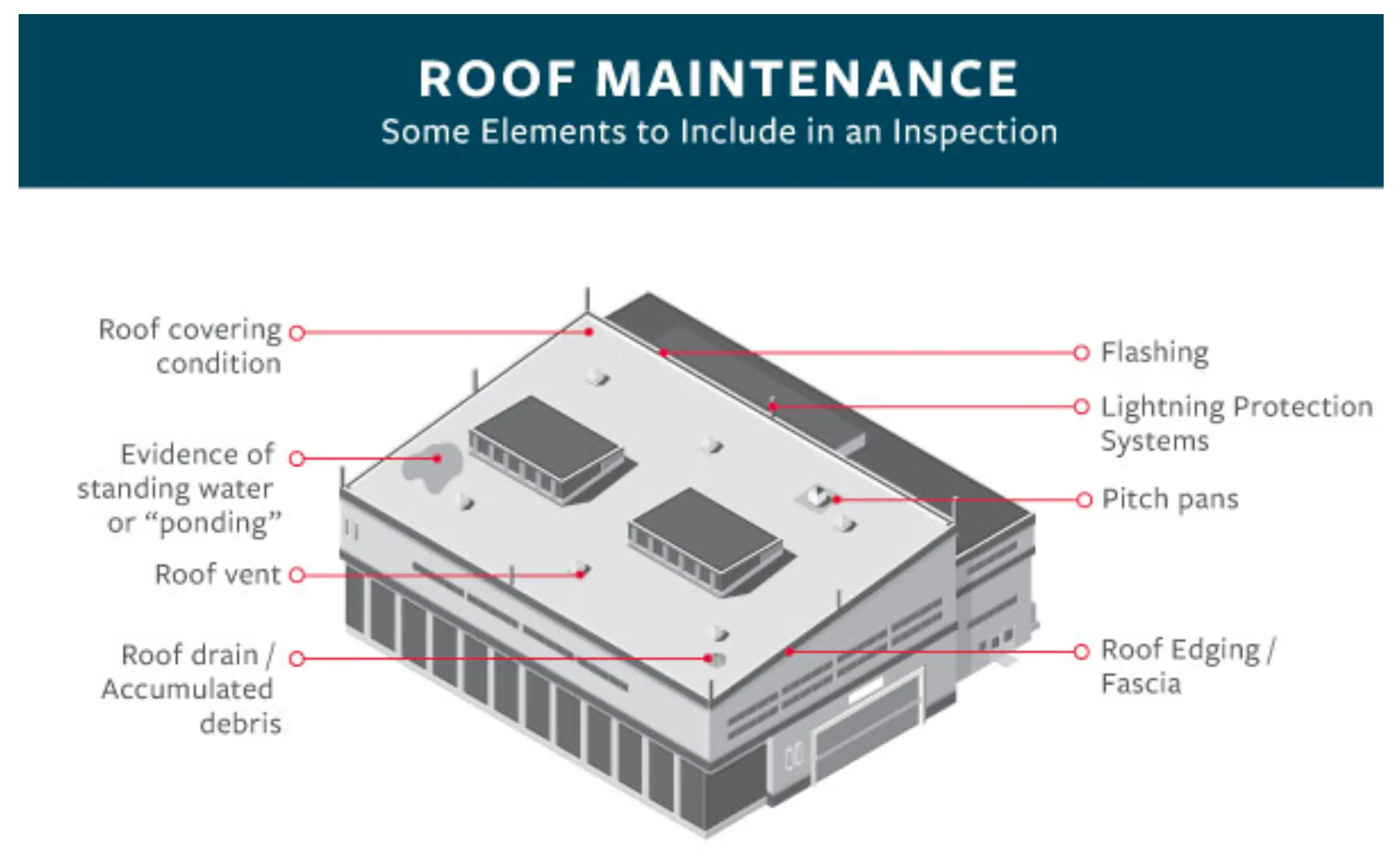
Look for the property address, inspection date, weather conditions if relevant, contractor and inspector identity, accessible roof areas, and roofing system type. For homes with additions or several roof planes, a simple roof diagram is useful. It should distinguish areas actually inspected from locations obscured by height, weather, solar panels, debris, or lack of attic access. A limitation note prevents a visual inspection from being mistaken for a concealed-condition guarantee.
Photos versus vague checkboxes
Photographs should show the overall condition and close-ups of deficiencies with locations that can be found later. A lone 'pass/fail' box tells an owner little about whether a pipe collar is cracked or a valley is collecting leaves. Ask for labels, such as 'south-facing rear slope' or 'chimney uphill flashing,' and an explanation of why each observation matters. Before-and-after photos are useful when follow-up maintenance is completed.
How findings should be prioritized
A useful structure separates immediate hazards, near-term repair needs, routine cleaning, and items to monitor. For example, an actively open flashing joint belongs ahead of superficial streaking. Each recommended action should name the component, proposed work, and urgency. Do not expect a visual report to prove the exact source of every concealed leak; it should clearly say when a water test, attic assessment, or additional specialist is needed.
What should a maintenance report say about costs?
A report may provide budgetary allowances or recommend obtaining a separate quote; either is acceptable if transparent. It should not imply a detailed fixed price when damaged deck material or other concealed conditions remain unknown. Ask whether suggested work is maintenance, repair, or replacement, and whether it is included under an existing plan. For commercial properties, note the impact on warranty documentation and recurring inspection records.
What does a good North Alabama maintenance report emphasize?
On steep-slope asphalt roofs, expect attention to shingle condition, flashing, vent boots, roof valleys, and debris under nearby trees. Drainage and the state of gutters matter during heavy seasonal rain. Where safe and accessible, attic moisture indicators can help contextualize roof-surface findings. The inspection should be adapted to the property; a tile, metal, or low-slope roof needs different checks, not a one-size-fits-all checklist.
How to use the report after the visit
Save the dated report, arrange urgent repairs, and keep invoices and completion photos with the original findings. At the next inspection, compare the same roof locations to identify changes rather than starting from scratch. Ask when the next check is appropriate based on age, surrounding trees, and storm exposure. A report is an evidence trail and maintenance plan; it is not automatically a roofing warranty, insurance certification, or promise that no leak will develop.
Further reading and next steps
For the related decisions and roofing components, these published Huntsville Roofing Solutions guides offer additional context:
- roof maintenance program details
- annual roof maintenance checklist
- when to book a roof inspection
- how roof maintenance delays replacement
Industry reference: NRCIA detailed inspection checklist. Confirm product-specific instructions and applicable local requirements before making changes.
Huntsville Roofing Solutions serves Huntsville and surrounding North Alabama communities. An educational article cannot diagnose a particular roof without inspection; a repair recommendation should be supported by observed conditions, appropriate materials, and a written scope.
Jordan is the founder and owner of Huntsville Roofing Solutions, a locally owned, fully licensed and insured roofing company serving Huntsville and North Alabama. He and roofing supervisor Barry Minor have handled residential and commercial roofs across the region — replacements, repairs, storm damage, and insurance claims — earning a 4.9-star Google rating along the way.