
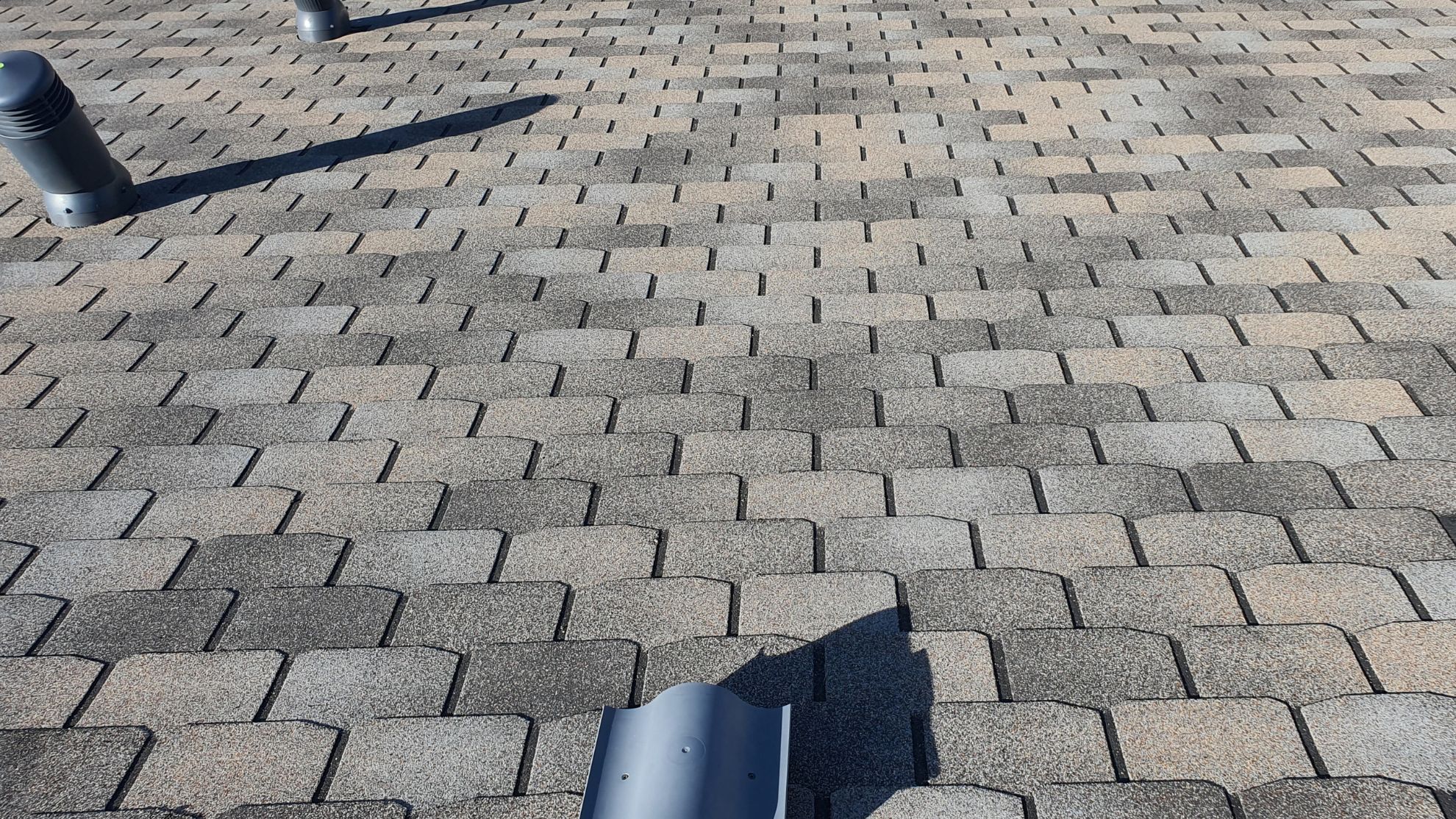
Roof sealant can be part of routine maintenance when it is used at specific compatible joints or accessories according to the roofing product's instructions. It should not be applied indiscriminately across asphalt shingles, nail heads, valleys, or flashing as a substitute for proper repairs. Dried or separated sealant may need renewal, but a cracked pipe boot or faulty metal flashing often needs replacement or reconstruction. A roof maintenance visit should first identify the material, the failure, and the correct detail—not simply add another layer of caulk.
Where roof sealant has a legitimate role
Certain exposed joints, fastener penetrations, metal transitions, and accessory details use approved sealants as part of a designed assembly. The exact product must suit the substrate, temperature range, movement, and manufacturer's method. On an asphalt-shingle roof, overlapping courses and flashing do most of the water shedding; they are not meant to rely on continuous surface caulking. Ask the contractor to identify each joint being treated and why the existing detail requires sealant.
Why 'seal the whole roof' is usually the wrong request
A coating or heavy application of roofing cement over residential shingles can interfere with drainage, conceal lifting materials, and make future inspection difficult. It does not fix rotten decking, incorrect nails, damaged underlayment, or missing flashing. Some roof systems, especially certain low-slope assemblies, have legitimate coating programs, but those are different products and scopes. Do not transfer instructions for a commercial flat roof to a steep residential shingle roof.
When does old sealant need attention?
A maintenance inspection may find a cracked, detached, or weathered bead at a metal joint specified to use sealant. The contractor should assess whether the underlying components are still sound before cleaning and renewing it. Applying fresh sealant over dirt, wet material, or incompatible residue can fail early. If a joint repeatedly separates, movement or poor detailing may be the real problem. Ask for the root cause, not another cosmetic bead.
Pipe boots and flashings: when replacement is better
Many vent boots contain a flexible collar that can split from weathering. Smearing roof cement around the split may provide only temporary resistance to water entry. Likewise, rusted step flashing or improperly lapped counterflashing needs correctly integrated materials. A permanent repair should restore a water-shedding assembly, not depend on a thick patch whose condition cannot be inspected. The right choice varies with component age and roof design.
What a maintenance plan should document
Ask for photos of the original joint, the identified material, the product applied if any, preparation performed, and after-work photos. The report should list areas that need replacement rather than sealant, plus the interval for follow-up inspection. If the roofer cannot identify the sealant or manufacturer-approved use, the treatment may create warranty or compatibility concerns. Documentation matters more than the quantity of tube material used.
Practical advice for North Alabama homeowners
Hot sun, rain, and temperature changes can expose weaknesses in sealant and flashing. Periodic checks are sensible, particularly around penetrations and transitions, but there is no universal rule to re-caulk everything every year. A qualified roofing professional should assess accessible joints alongside shingles, drainage, attic moisture, and ventilation. A clear inspection with no unnecessary products is often better maintenance than an aggressive sealant application.
Further reading and next steps
For the related decisions and roofing components, these published Huntsville Roofing Solutions guides offer additional context:
- roof flashing and underlayment roles
- residential roof maintenance service
- why coating is different from roof replacement
- repair decisions for aging roofs
Industry reference: ARMA roof repairs and missing caulk guidance. Confirm product-specific instructions and applicable local requirements before making changes.
Huntsville Roofing Solutions serves Huntsville and surrounding North Alabama communities. An educational article cannot diagnose a particular roof without inspection; a repair recommendation should be supported by observed conditions, appropriate materials, and a written scope.

Jordan is the founder and owner of Huntsville Roofing Solutions, a locally owned, fully licensed and insured roofing company serving Huntsville and North Alabama. He and roofing supervisor Barry Minor have handled residential and commercial roofs across the region — replacements, repairs, storm damage, and insurance claims — earning a 4.9-star Google rating along the way.