Sometimes. Replacing a pipe boot before it leaks is sensible when its collar is visibly cracked, brittle, separating from the pipe, or near the end of its useful service while the surrounding roof is still accessible. But an intact, correctly installed boot does not need replacement merely because it has a birthday. Material quality, sun exposure, roof age, and the cost of safely accessing the area all affect the decision. Ask a roofer to inspect and photograph each boot, explain which are deteriorating, and replace only components that warrant preventive work.
Signs the boot is nearing failure
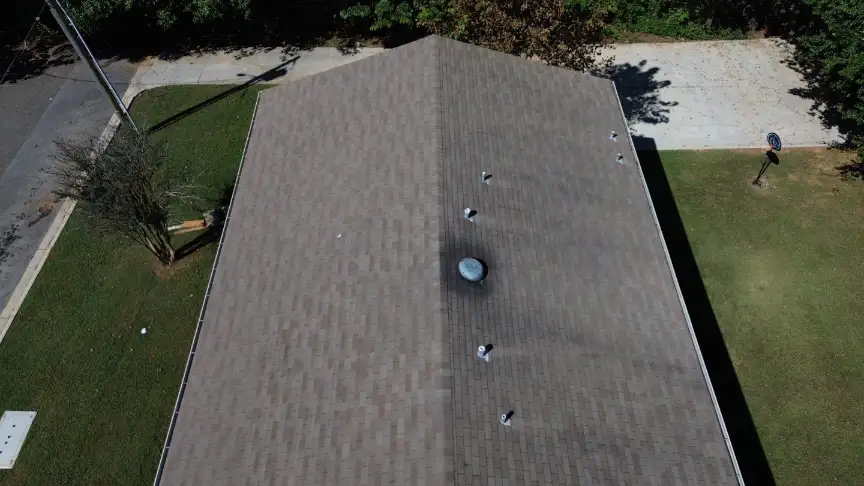
On many asphalt roofs, the flexible collar is the most weather-exposed part of the vent penetration. Splits, shrinkage, open gaps around the pipe, rust at a metal base, or lifted shingle overlaps are practical warning signs. A minor-looking split can become a path for rain, but not every discolored collar is leaking. A professional should document the actual condition before recommending replacement. Avoid squeezing or pulling old parts to test them from the roof.
Replace now versus monitor at the next inspection
An obviously split collar deserves a repair plan even when no stain is visible indoors. A sound boot without gaps may simply need monitoring. The choice depends on the component type, nearby shingles, roof pitch, and weather exposure. Replacing an apparently sound boot can require lifting shingles and may introduce unnecessary disturbance on brittle older roofing. Ask for a comparison between preventive replacement and scheduled inspection.
Why a roof replacement is a good review point
When shingles are being replaced, the contractor already has access to pipe flashings and should evaluate whether to replace or properly reintegrate them. Using a new roof covering around a deteriorated boot can leave an avoidable weak point. The scope should specify the selected flashing material and how it will be integrated with underlayment and shingles. Do not assume 'new roof' automatically means every pipe boot has been renewed; confirm it in writing.
Should all the boots be replaced together?
If several same-age collars show similar deterioration, grouping repairs may be efficient and reduce repeated access costs. If only one boot is damaged and the others are well-fitted, blanket replacement may be unnecessary. Different roof slopes and sun exposures age materials at different rates. Request a photo for each penetration and a per-item recommendation. A legitimate maintenance plan can include a 'monitor' status rather than an immediate sale for every component.
Does adding caulk extend the life of an aging boot?
The appropriate answer depends on the boot system and manufacturer instructions. An approved repair product may address a limited detail, but caulk is not a dependable substitute for a collar that has split or lost its fit around the pipe. Thick sealant can hide developing cracks. If a roofer proposes sealant instead of replacement, ask whether the treatment is temporary and what evidence supports its expected performance.
A useful North Alabama roof maintenance question
After strong summer sun and storm exposure, have the roofer examine vent collars along with valleys, chimneys, flashing, and attic moisture indicators. Ask which boots show deterioration, whether any nearby decking is wet, and which repair is compatible with your shingle system. Keep the inspection photos and invoice for the next visit. Prevention means dealing with observed risks at the right time, not replacing sound components on a fixed calendar.
Further reading and next steps
For the related decisions and roofing components, these published Huntsville Roofing Solutions guides offer additional context:
- roof maintenance schedule
- roof flashing details
- roof repairs versus replacement
- professional roofing maintenance plans
Industry reference: GAF guide to roof vent pipe leak prevention. Confirm product-specific instructions and applicable local requirements before making changes.
Huntsville Roofing Solutions serves Huntsville and surrounding North Alabama communities. An educational article cannot diagnose a particular roof without inspection; a repair recommendation should be supported by observed conditions, appropriate materials, and a written scope.
Jordan is the founder and owner of Huntsville Roofing Solutions, a locally owned, fully licensed and insured roofing company serving Huntsville and North Alabama. He and roofing supervisor Barry Minor have handled residential and commercial roofs across the region — replacements, repairs, storm damage, and insurance claims — earning a 4.9-star Google rating along the way.