
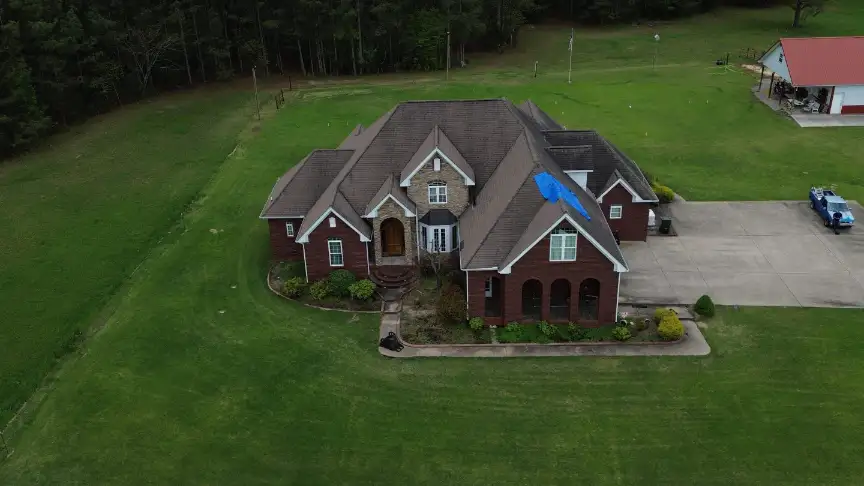
Make reasonable emergency repairs before an insurance adjuster arrives when needed to prevent further damage, but photograph the condition first whenever it is safe. For example, a professional tarp may protect a roof opening while you wait for inspection. Keep dated photos, receipts, and damaged material where safe and practical. Avoid unnecessary permanent alterations before the carrier documents the loss; extensive tear-off can remove evidence needed to assess the claim. Tell the insurer promptly what protective work was done and ask for instructions about permanent repairs.
Why do insurers want to see the original damage?
The adjuster needs evidence to distinguish damage from a reported covered event from normal roof aging, installation defects, or earlier problems. Once a contractor removes shingles, flashing, or decking, the original condition may no longer be inspectable. That does not mean you should allow rain to destroy an interior room while waiting. The practical goal is to preserve evidence without leaving the home exposed. Photograph wide views, close details, any fallen materials, and indoor water entry from safe positions before work begins.
For immediate storm safety steps, see the first 48 hours after storm damage guide.
Temporary protection versus permanent reconstruction
A tarp or other limited stabilization is intended to reduce additional loss while the underlying repair plan is resolved. Replacing the entire roof, stripping multiple slopes, or rebuilding a chimney is permanent work that may complicate an insurer’s investigation if performed too early. Ask the emergency contractor to list exactly what it covered, attached or removed. Where urgent structural hazards exist, prioritize safety and use qualified professionals even if complete documentation is not possible.
The emergency roof tarping guide explains professional temporary covering.
What photos and receipts should you keep?
Save the storm date, photos before covering, pictures of the emergency work underway, the materials used, the final tarp condition, and itemized contractor invoices. Keep records of damaged shingles or other material only if this can be done safely and without creating additional hazards. Log when you notified the insurer and any written response. A simple timeline protects against later confusion about whether an image was taken before or after temporary work.
What if the insurer cannot inspect quickly?
Call your carrier and describe the active leak, exposed decking, or safety concern. Ask whether it wants specific photographs or a remote assessment before emergency work proceeds. Follow the insurer’s documented process and keep written confirmation when possible. If work must happen immediately to protect people or property, document the reasons and the minimum steps taken. Do not assume that the insurer will automatically reimburse every emergency contractor charge; coverage and reasonableness are policy questions.
What should your roofer do during the first visit?
A roofing professional should identify immediate hazards, document roof and interior conditions, recommend only necessary stabilization, and provide a clear description of remaining work. The contractor can give technical facts but should not promise that the insurance claim will pay for full replacement. Ask for copies of photos, roof location notes, temporary-repair costs, and any limitations of the tarp. A temporary cover is not a permanent roof repair and may need monitoring after wind or rain.
Our Alabama roof insurance claim process explains insurer communication.
When can permanent roof work begin?
Wait until the physical scope, your signed contract, and the insurer’s investigation are sufficiently clear, unless safety demands earlier action. A carrier may give authorization guidance without promising that every part of the repair is covered. If the adjuster has documented the condition and the roof remains actively exposed, discuss the next safe steps promptly. The safest sequence is document, mitigate, communicate, then complete an agreed repair—not “leave everything untouched” and not “replace first and ask later.”
If coverage becomes disputed, see the Alabama claim denial options.
A practical first-48-hours evidence and protection sequence
First, protect people: keep clear of electrical hazards, damaged ceilings, and any roof area that may be unstable. From a safe location, photograph visible exterior and interior conditions and note when the leak or storm damage was discovered. Contact the insurer promptly and ask how it wants emergency mitigation documented. Arrange professional tarping or a limited temporary repair when necessary to prevent additional water entry. Ask the contractor to photograph conditions before and after that work, itemize labor and materials, and label any removed materials. Keep receipts and a simple timeline of communications. Do not climb onto a wet or storm-damaged roof merely to create better evidence. If water is threatening wiring, ceilings, or occupied rooms, safety and loss prevention outrank waiting for a perfect photo set.
Why an emergency tarp is not the same as a full tear-off
Temporary tarping is generally designed to reduce further exposure while leaving most original conditions available for inspection. Replacing a few unsafe broken components may sometimes also be necessary, but removing the entire roofing system before an adjuster sees it can eliminate valuable evidence about the cause and extent of damage. Neither choice guarantees insurance reimbursement. An insurer may consider whether the mitigation was necessary, reasonable, and covered by the policy. Ask the contractor to keep the emergency-work invoice distinct from any later permanent replacement proposal. If the insurer gives written approval to proceed with permanent work or documents the roof in another acceptable way, retain that authorization. If a critical safety problem requires earlier reconstruction, preserve as much physical and photographic evidence as practical and document why the timing could not wait.
Frequently asked questions
Should I wait for an adjuster before putting on a tarp?
Not if delay would expose people or the home to further avoidable damage. Arrange safe temporary protection, document the existing condition as well as possible, preserve invoices, and promptly inform the insurer. Do not climb onto a storm-damaged roof yourself.
Can I replace the entire roof before the claim inspection?
It may be necessary in an unusual emergency, but permanent replacement can remove evidence and complicate the claim. Unless safety requires immediate reconstruction, ask the insurer how it wants damage documented before extensive work begins. Keep every relevant photo and itemized receipt.
Does emergency work guarantee reimbursement?
No. An insurer evaluates cause, coverage, necessity and reasonable cost under the policy. Ask for directions and save records, but avoid promising that every temporary-repair invoice will be covered in full.
References and official guidance
- Alabama Department of Insurance — natural disasters guide
- United Policyholders — Alabama insurance consumer rights
Regulations, contracts, and insurance policies can change. This discussion is general information, not legal advice or a determination of coverage.
For a roof-specific assessment in Huntsville or North Alabama, contact Huntsville Roofing Solutions. An inspection and written scope are needed before recommending construction work.

Jordan is the founder and owner of Huntsville Roofing Solutions, a locally owned, fully licensed and insured roofing company serving Huntsville and North Alabama. He and roofing supervisor Barry Minor have handled residential and commercial roofs across the region — replacements, repairs, storm damage, and insurance claims — earning a 4.9-star Google rating along the way.