The best shingle colors for hot climates such as North Alabama are generally white, light gray, silver-gray and light tan—provided the actual product has good solar-reflectance ratings. If you prefer charcoal or brown, a manufacturer-rated cool-color shingle may offer better heat performance than a conventional shingle that looks similar. Color is a useful starting point, not proof: compare each product’s tested solar reflectance, thermal emittance and aged ratings. A cooler roof surface can reduce heat entering the home, but actual cooling-bill savings also depend on attic insulation, ventilation, roof exposure and your heating and cooling system.
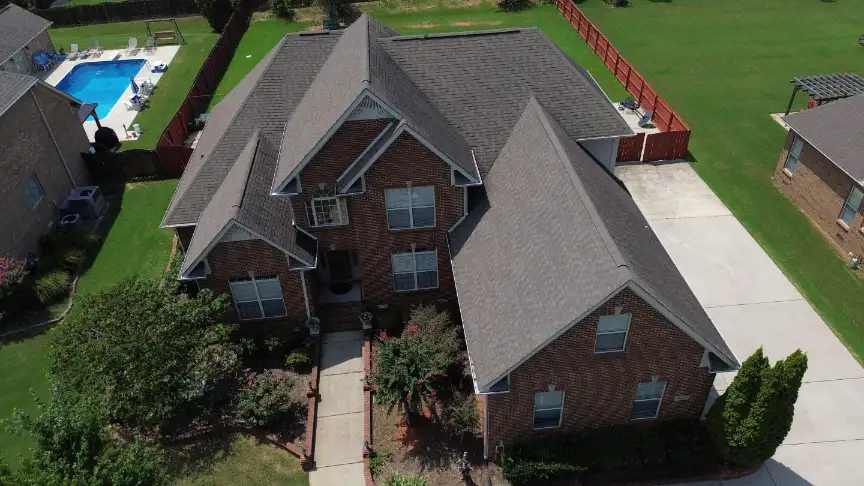
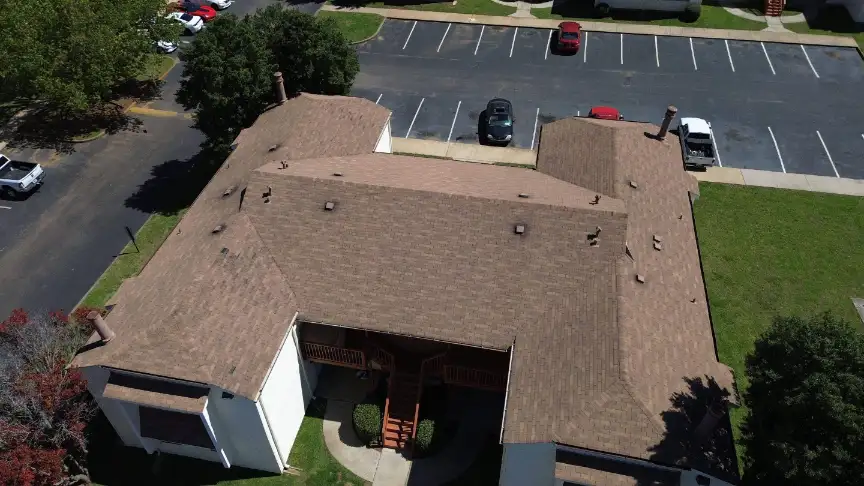
That distinction matters in Huntsville, Madison and the wider Tennessee Valley. Two gray shingle products can appear almost identical while using different granules and providing different levels of solar reflectance. Rather than buying a shade because a brochure calls it “cool,” ask for the numbers attached to the exact product and color.
Which Shingle Colors Are Most Worth Comparing for Alabama Heat?
When the primary goal is to reduce roof-surface heating, begin with lighter shades and independently rated reflective products. The table below is a shopping shortlist, not a measured ranking of specific shingles. Performance varies by manufacturer, color blend and product line.
| Color or product category | Why consider it? | What to verify |
|---|---|---|
| White or off-white asphalt shingles | Typically a strong starting point for visible-light reflectance. | Tested solar reflectance; visible staining; availability and HOA rules. |
| Light gray, silver or pale pewter | Offers a neutral exterior appearance while generally absorbing less sunlight than conventional black shingles. | Whether the exact gray has tested reflective properties. |
| Sand, beige, cream or light tan | Lighter warm-toned options for brick, stucco or pale-sided homes. | Product-specific reflectance and the available color blend. |
| Third-party-rated reflective “cool-color” shingles | Specialized granules can reflect more near-infrared sunlight even when the roof looks brown or gray. | Exact CRRC listing or equivalent independent product data; do not rely on the product name alone. |
| Conventional dark gray, charcoal or black | Useful when exterior design or neighborhood requirements favor a darker roof. | Expect generally greater solar absorption unless the exact product demonstrates reflective performance. |
The usable comparison is not simply white versus black; it is the actual shingle product versus the alternatives available for your house. A tested reflective medium-gray shingle can outperform a conventional lighter-looking product. Ask for its data rather than assuming either result.
Why Does Shingle Color Matter in a Hot Climate?
Sunlight contains visible light and invisible wavelengths, including near-infrared radiation. Conventional dark roofing tends to absorb more of that energy. A roof with higher solar reflectance sends more incoming sunlight away instead of converting it into heat at the roof surface.
The U.S. Environmental Protection Agency explains that solar reflectance and thermal emittance together affect roof temperature and the amount of heat transferred to the building. The effect is particularly relevant in warm, sunny conditions.
But a cooler shingle surface is not the same as a guaranteed percentage reduction in a household’s electric bill. Heat still has to move through decking, attic space, insulation and ceilings before it reaches occupied rooms.
How Can You Tell Whether a Shingle Is Actually Heat-Reflective?
Ask the roofer for the exact manufacturer, shingle line, color name and tested radiative-performance data. Three figures deserve attention.
1. Solar Reflectance
Solar reflectance is the fraction of sunlight reflected by a surface. It is generally reported on a scale from 0 to 1; a higher number indicates more sunlight reflected under the test conditions. This is the most directly relevant number when comparing roof products for solar heat gain.
2. Thermal Emittance
Thermal emittance measures how effectively a surface releases heat by thermal radiation. A higher value generally indicates better heat release. Color alone cannot establish thermal emittance.
3. Initial and Aged Performance
Look beyond a “new roof” result. The Cool Roof Rating Council (CRRC) provides independently tested initial values and weathered, three-year aged ratings for participating products. These ratings help compare how roof products perform both when new and after outdoor exposure.
Important: A product appearing in the CRRC directory means its properties have been rated; it does not automatically mean the product meets any particular cool-roof threshold. Compare the actual reported values and any requirements relevant to your project.
Are White or Light Gray Shingles Always the Best Choice?
Not automatically. White and other very light colors usually provide a useful starting point for lower solar absorption when comparing otherwise similar conventional materials. But the exact composition of the colored granules changes the result.
If you like a soft gray roof, compare more than one light-gray shingle. If you prefer a tan roof to complement red brick, look at the actual tan product’s reflectance rather than assuming every tan is equal. And if you want a darker roof, ask whether a reflective, near-infrared-aware version is available.
Huntsville Roofing Solutions maintains a shingle color gallery with available color families, including light neutrals and darker architectural looks. Treat the gallery as a design shortlist; confirm local stock and technical ratings for any final selection.
Can Dark Shingles Work Well in Alabama?
Yes. Black and charcoal shingles can be used on Alabama homes. They are not automatically defective, and roof color alone does not establish a manufacturer’s warranty or service life. The practical trade-off is that conventional dark products generally absorb more sunlight than similar light-colored products.
For a homeowner who strongly prefers a darker exterior, ask whether the same manufacturer offers a comparable reflective or cool-color shingle. Specialized pigments or granules can improve reflection of near-infrared energy without making the roof look white.
The key question is whether the specific dark shingle has published numbers that support the claimed benefit. A product name such as “cool gray” or a salesman’s description is not a substitute for a rated specification.
Will Lighter Shingles Lower Summer Electricity Bills in North Alabama?
They can, because a more reflective roof surface generally transfers less solar heat into the roof assembly. The amount a household saves is site-specific. Roof orientation, shading, insulation levels, whether the attic is vented or conditioned, ductwork location, HVAC efficiency, energy prices and the difference between the old and new roof all matter.
The ENERGY STAR cool-roofs guidance explains why reflective roofs can be useful in hot, sunny areas, but broad laboratory surface-temperature comparisons should not be treated as a prediction of your personal utility savings.
North Alabama also has a heating season. A more reflective roof may reduce some beneficial solar warming in cooler months, so annual value is not identical for every building. Homeowners with substantial attic insulation may see a smaller incremental cooling benefit from color than those with less insulation.
What Matters Besides Shingle Color?
A heat-conscious roofing decision should account for the whole roof assembly. Before paying a premium for a reflective color, ask whether these fundamentals are sound:
- Attic insulation: Does the home have appropriate insulation coverage and are gaps or attic access points addressed?
- Ventilation or conditioned-attic design: Is the existing assembly designed and installed correctly? Do not add vents blindly to a conditioned or unvented attic.
- Roof condition: Does the roof actually need replacement, or is the decision about a future project?
- Manufacturer specification: Is the selected shingle appropriate for the roof slope and installation method?
- Wind, hail and algae resistance: Does the chosen product meet the home’s other performance priorities?
A reflective product is not a substitute for a roof that leaks, inadequate insulation or an incorrectly configured attic. It is one component of the building’s heat-management strategy.
What If You Are Also Considering Standing-Seam Metal?
Color and solar reflectance apply to metal as well as shingles, but the materials and assemblies should be compared separately. Some factory-coated metal roofs offer high reflectance, including special pigments that provide reflective darker colors. Unpainted metal does not automatically deliver the same combination of reflectance and thermal emittance as a suitable coated product.
If you are choosing between roofing systems rather than merely selecting an asphalt color, review the site’s standing-seam metal roofing options. Compare rated surface properties, assembly design, installation scope, appearance and total project cost before selecting either material.
How Should You Choose a Heat-Conscious Shingle Color?
- Set the priority. Decide whether lower roof heat gain, exterior appearance, HOA compliance or minimum upfront cost carries the most weight.
- Shortlist two or three colors. Include a lighter option and, if needed, a darker reflective option from the same or comparable product lines.
- Request the specifications. Compare actual solar reflectance, thermal emittance and aged results when available.
- See full-size samples. Small swatches can look different from a complete roof, especially when viewed beside siding, brick and trim.
- Check the whole system. Ask whether insulation, attic design, roof condition or product availability changes the recommendation.
- Compare written proposals. If a reflective shingle costs extra, obtain the actual incremental installed price; do not accept an unsupported savings-payback promise.
For general questions about how a roof shade looks after years of fading or how blends conceal streaks, see the site’s separate article about shingle color appearance under the Alabama sun. That cosmetic-aging question is distinct from choosing a product using heat-reflectance measurements.
Frequently Asked Questions About Shingle Colors for Hot Climates
What are the best shingle colors for hot climates?
White, light gray, silver and light tan are sensible starting points because lighter conventional roofing generally reflects more sunlight than conventional black roofing. Rated reflective or cool-color shingles may also perform well in darker shades. Compare the actual product’s tested values before deciding.
Are light gray shingles better than black shingles for Alabama heat?
For otherwise similar conventional shingles, light gray will generally absorb less solar energy than black. However, a rated dark cool-color shingle may outperform a conventional lighter-looking product, so compare the exact shingle specifications.
Do cool-roof shingles have to be white?
No. Some colored products use granules or pigments designed to reflect near-infrared sunlight. Their visible shade alone cannot establish performance; use tested reflectance data.
Do reflective shingles guarantee lower electricity bills?
No. They can lower roof-surface heating and potentially cooling demand, but the household benefit depends on insulation, attic design, shading, HVAC equipment, climate and the roof they replace.
What numbers should I compare when buying heat-reflective shingles?
Start with the exact product’s solar reflectance, thermal emittance and available aged test results. The CRRC rated-products directory provides a consistent place to compare participating roofing products.
Can I paint existing asphalt shingles white to make them cooler?
Do not assume field-painting is appropriate. Coatings may be incompatible with an existing asphalt-shingle system or affect manufacturer warranty terms. Ask the shingle manufacturer and a qualified roofer before attempting to modify an installed roof.
The Bottom Line for Alabama Homeowners
For an Alabama home where summer roof heat is the primary concern, start your search with light gray, white and light tan shingles, then compare their actual ratings with any darker reflective alternatives you prefer. Choose with product data rather than a color-name shortcut, and weigh the result alongside attic insulation, roof assembly and the full installed cost.
If replacement is already planned, Huntsville Roofing Solutions’ residential roof replacement service is the next step for discussing roof condition, available product specifications and an installation estimate.
Technical References

Jordan is the founder and owner of Huntsville Roofing Solutions, a locally owned, fully licensed and insured roofing company serving Huntsville and North Alabama. He and roofing supervisor Barry Minor have handled residential and commercial roofs across the region — replacements, repairs, storm damage, and insurance claims — earning a 4.9-star Google rating along the way.