
If your roofing company goes out of business after installation, a contractor-issued workmanship warranty may become difficult to enforce, but a separate manufacturer material warranty could still apply if its terms and registration requirements are met. Save the signed contract, paid invoice, shingle product details, installation photos, and warranty documents. Contact the manufacturer directly to verify eligibility, and have an independent qualified roofer document any current defect. A closed company does not automatically mean every warranty is void—or that another installer must fix the roof for free.
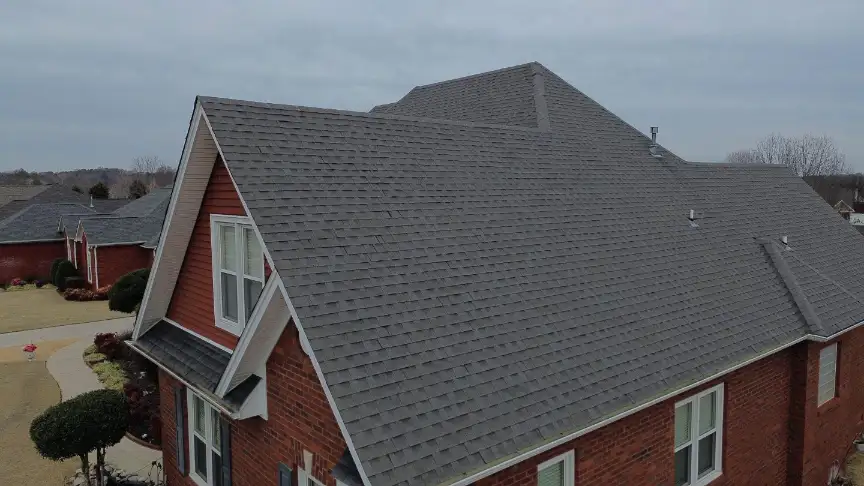
Which warranty was actually provided?
Roofing paperwork may contain a manufacturer limited warranty on materials, an enhanced system warranty dependent on specific installation or contractor status, and a company’s separate workmanship promise. These are different obligations. Read who is named as the warrantor, how long coverage lasts, what conditions apply, and the process for making a claim. An advertisement saying “lifetime warranty” is not a substitute for the actual policy document. If you only have a contract and no warranty document, request copies while records may still be available.
The contractor credential verification guide explains how to verify licensing before a project.
Manufacturer warranty versus roofer workmanship promise
A manufacturer may honor qualifying product-related coverage even when the original installer has closed, but exclusions, registration, transferability, and proof requirements still matter. A labor or workmanship warranty issued solely by a defunct contractor may be difficult to collect. Do not assume a different roofing company is bound by that promise. Contact the manufacturer using its official website and have the product name, approximate installation date, and roof photos available.
Use the questions to ask before hiring a roofer to discuss warranty responsibility.
How can you identify the shingles after the contractor disappears?
Look through your quote, completion invoice, warranty registration, bundle-label photographs, receipts, or prior project emails. If those are unavailable, a qualified contractor may be able to narrow the product family from physical characteristics, but visual identification is not always reliable. Keep any material samples only if safely obtained by a professional. For North Alabama hail and wind events, distinguishing a material defect from storm damage or ordinary wear is important because coverage may differ.
What if the roof starts leaking?
Protect the home first. Move vulnerable belongings, document the water entry, and arrange a safe professional assessment; do not climb onto a wet roof. If a defect appears related to product manufacturing, ask the manufacturer how to open a claim before making extensive permanent changes. If the problem is a failed flashing detail or another installation issue, the manufacturer may not cover it. Save repair estimates and photos for any insurance or legal review.
For possible post-installation defects, read the new roof leak diagnosis guide.
Can insurance or a contractor license help?
Homeowners insurance generally responds to covered events under the policy, not automatically to defective workmanship or a failed contractor’s warranty. A license record, bond, or company registration does not by itself guarantee a reimbursement fund. Check which legal entity signed your contract and whether you have any available claims or recovery options; a local attorney can evaluate significant losses. Verify the credentials of the new roofer before authorizing repairs.
How do you reduce this risk before hiring?
Use an established contractor with a verifiable business name, license, insurance and clear warranty contact instructions. Ask whether the manufacturer warranty is issued to the property owner and what records will be provided at closeout. Keep duplicate digital copies outside the contractor’s customer portal. None of these steps eliminates business failure, but they make future product or installation questions easier to investigate. A long promise is valuable only when its terms and responsible party are clear.
When work is needed, consult the roof repair or replacement decision guide.
How different warranty promises behave when the installer closes
An installer’s workmanship warranty is a promise from that installer, subject to its written terms. If the business no longer operates, it may be difficult to obtain the promised labor repairs even when the defect occurred during the stated period. A shingle manufacturer’s limited product warranty is separate and may remain available if its eligibility, registration, proof-of-purchase, and claim requirements are met. Some enhanced systems have contractor participation rules, so a closing business does not mean every product warranty disappears or every labor claim survives unchanged. Read the actual written warranty rather than relying on phrases such as “lifetime roof.” A manufacturer may exclude damage caused by installation errors, inadequate ventilation, or other listed causes. Those distinctions determine whom to contact and what records are essential.
A recovery folder for a homeowner without an installer
Put the contract, final invoice, proof of payment, shingle model and color, manufacturer paperwork, installation date, product-registration evidence, roof photographs, permits when applicable, and all repair correspondence into one folder. If a leak appears, first control active interior water damage safely and request an independent diagnosis that distinguishes defective materials, workmanship, and unrelated damage. Then contact the named warranty issuer using the number or claims process on the actual warranty. Check public licensing records for the former contracting entity, but do not assume a licensing office or bond will automatically reimburse all work. Before hiring a second company, document the existing condition and explain that a warranty question may be pending. Authorized emergency work may still be necessary. Keeping a clear chain of documents makes a claim easier to evaluate without promising a particular outcome.
Frequently asked questions
Can I still contact the shingle manufacturer?
Yes. Use the manufacturer’s official warranty channel with your product information, installation date and ownership records. Eligibility depends on the warranty’s terms, not merely on the contractor being closed. Ask whether a separate authorized installer must inspect or perform any approved work.
Will a new roofer honor the original workmanship warranty?
Not automatically. The warranty may have been the original contractor’s contractual promise. A replacement company can assess the problem and quote repairs, but has no automatic duty to provide free work under another business’s warranty.
Should I repair an active leak while warranty questions are unresolved?
Protect the home from further damage and document the leak immediately. Contact the warranty provider if one exists, but do not allow an unsafe condition to worsen solely to preserve a possible claim. Keep invoices and photographs of reasonable protective measures.
References and official guidance
Regulations, contracts, and insurance policies can change. This discussion is general information, not legal advice or a determination of coverage.
For a roof-specific assessment in Huntsville or North Alabama, contact Huntsville Roofing Solutions. An inspection and written scope are needed before recommending construction work.
Jordan is the founder and owner of Huntsville Roofing Solutions, a locally owned, fully licensed and insured roofing company serving Huntsville and North Alabama. He and roofing supervisor Barry Minor have handled residential and commercial roofs across the region — replacements, repairs, storm damage, and insurance claims — earning a 4.9-star Google rating along the way.