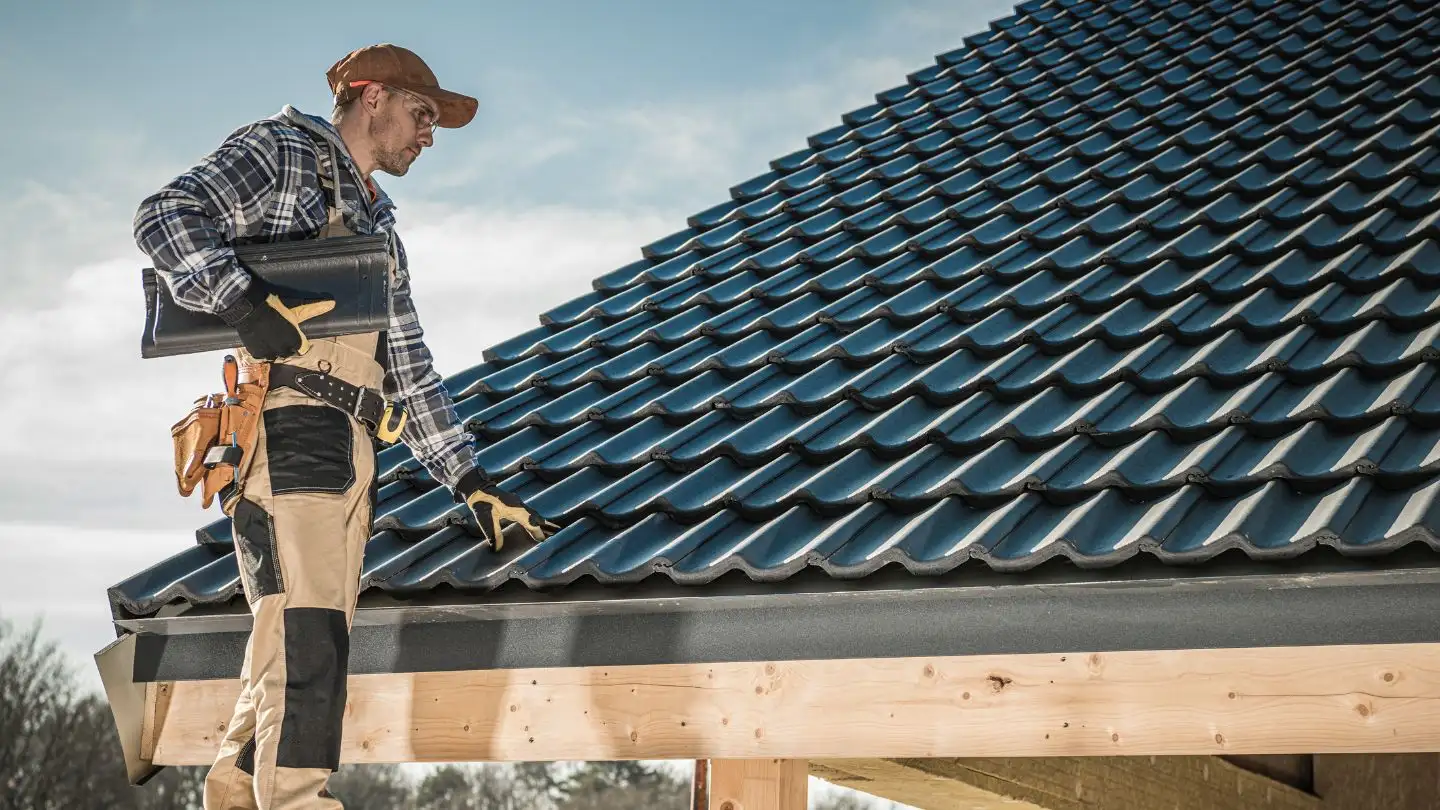
A roof inspection is primarily an assessment: a professional examines accessible roof components, documents problems, and recommends next steps. A roof tune-up usually means an inspection plus a defined amount of minor preventive work, such as clearing isolated debris, securing a loose accessory, or renewing an appropriate sealant joint. 'Tune-up' is a marketing term, not a standardized roofing service, so the work included can vary widely. Ask for a written scope, photos, and a list of exclusions before comparing prices or assuming a tune-up includes leak repairs.
What an inspection should deliver
An inspection should tell you what the roofer checked, what defects were visible, what could not be assessed, and which repairs are recommended. Photos and clearly located findings make the result actionable. A visual visit does not necessarily include attic testing, dismantling components, leak tracing under water, or repairs. If you only need an independent condition assessment before buying a home, the distinction is important because the visit may purposely avoid altering roofing materials.
What a tune-up may actually include
A contractor might clean a small drain area, adjust an accessible item, replace a simple fastener seal where appropriate, or address minor sealant deterioration. Others may define 'tune-up' as inspection only. Never rely on the name; request a list of permitted tasks and materials, the maximum repair allowance, and whether a separate quote is required for flashing replacement. Significant work, such as replacing a pipe boot, may fall outside the package.
When inspection-only is the better choice
Choose a diagnostic visit when you have an unexplained leak, suspect decking damage, need documentation for a sale or insurer, or want a neutral picture of the roof's condition. A quick touch-up can conceal symptoms without fixing the source. Ask whether the inspector will enter an accessible attic and whether moisture testing is available. If a report suggests a full replacement without photos or reasons, request clarification before approving major work.
When preventive work may be worthwhile
If the roof is generally sound and has known minor maintenance needs, a clearly defined tune-up can prevent avoidable deterioration. Examples include clearing debris from a valley and checking a weathered sealant joint. Such work should follow manufacturer instructions; indiscriminate caulking over shingle laps can trap water or hide failing flashing. A tune-up is not a substitute for replacing worn components or investigating active interior water entry.
How to compare two contractors' offers
Compare scope instead of the headline fee. Does the service include photos, a written report, an attic look where accessible, travel, minor materials, a return visit, and cleanup? Are steep roofs, multi-story access, and commercial roofs excluded? What happens if the inspection reveals a failed vent boot or damaged decking? A written comparison often reveals that a cheap tune-up and a comprehensive inspection are not competing services at all.
Questions North Alabama homeowners should ask
Ask how the service addresses seasonal storms, heavy tree debris, valleys, soffits, and ventilation. Confirm what happens after a hail event and whether the roofer recommends an additional targeted inspection. Request a statement distinguishing completed maintenance from recommendations left open. Save the report and photos so the next contractor has context. If no defects are found, the best outcome may simply be documentation and a sensible follow-up date—not extra work.
Further reading and next steps
For the related decisions and roofing components, these published Huntsville Roofing Solutions guides offer additional context:
- roof inspection scheduling guidance
- roof maintenance service scope
- spring roof maintenance steps
- questions to ask a roofing contractor
Industry reference: NRCA homeowner roofing guidance. Confirm product-specific instructions and applicable local requirements before making changes.
Huntsville Roofing Solutions serves Huntsville and surrounding North Alabama communities. An educational article cannot diagnose a particular roof without inspection; a repair recommendation should be supported by observed conditions, appropriate materials, and a written scope.
Jordan is the founder and owner of Huntsville Roofing Solutions, a locally owned, fully licensed and insured roofing company serving Huntsville and North Alabama. He and roofing supervisor Barry Minor have handled residential and commercial roofs across the region — replacements, repairs, storm damage, and insurance claims — earning a 4.9-star Google rating along the way.