
Your roof replacement quote is built from measurable things: the roof’s size in squares, its pitch and height, how many valleys, dormers and penetrations break up the surface, how many old layers have to come off, how much decking is rotted underneath, and which shingle and accessory package you choose. Access, disposal, permits and warranty tier move the number too. You can lower it without lowering quality by comparing like for like scopes, skipping upgrades that do not suit the house, bundling gutters into the same mobilization, filing a valid storm claim, and scheduling outside the post storm rush.
Below is what each of those factors actually does to the price, and which ones you have any control over.
Why two quotes on the same roof come back thousands apart
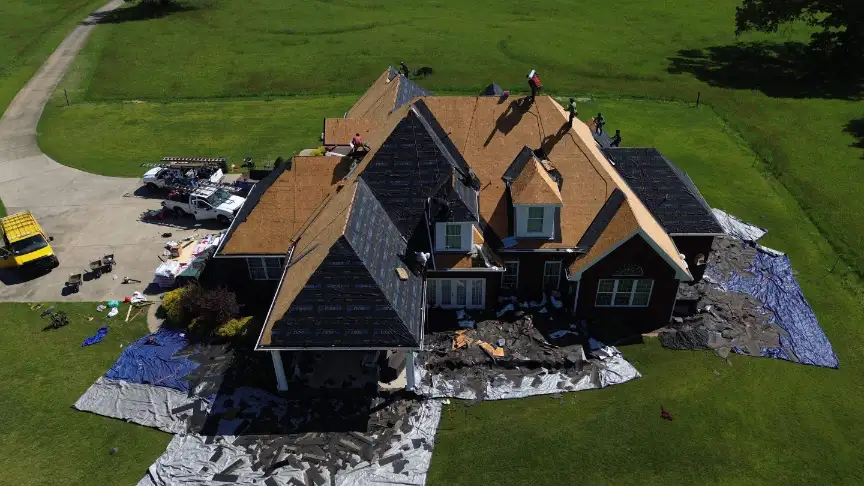
Homeowners usually assume a big spread means one contractor is padding and the other is being fair. Occasionally that is true. Far more often the two documents are describing different jobs.
One might include a complete tear off, new synthetic underlayment, ice and water shield in the valleys, new step flashing at every wall, a new ridge vent and an allowance for replacing bad plywood. The other might quietly assume the deck is fine, reuse the existing flashing and pipe boots, and cover the ridge with shingles instead of a vent. Same address, same shingle color, very different roof in five years.
So the first job is not finding the lowest number. It is getting the quotes onto the same footing so the numbers mean something.
The factors that move your quote the most
Roughly in order of impact on a typical North Alabama home.
1. Size, measured in squares
Roofing is priced by the square, which is 100 square feet of roof surface. That is roof area, not floor area, so a sprawling single story ranch can carry more squares than a compact two story house. Everything else on this list is essentially a modifier applied to that base number.
2. Pitch and height
A steep roof slows everything down. Crews need staging and harnesses, material has to be carried rather than walked, and fewer squares get finished per day. Add a second or third story and setup, loading and cleanup all take longer. Steep and tall together is the combination that surprises people most.
3. Complexity: valleys, dormers, hips and penetrations
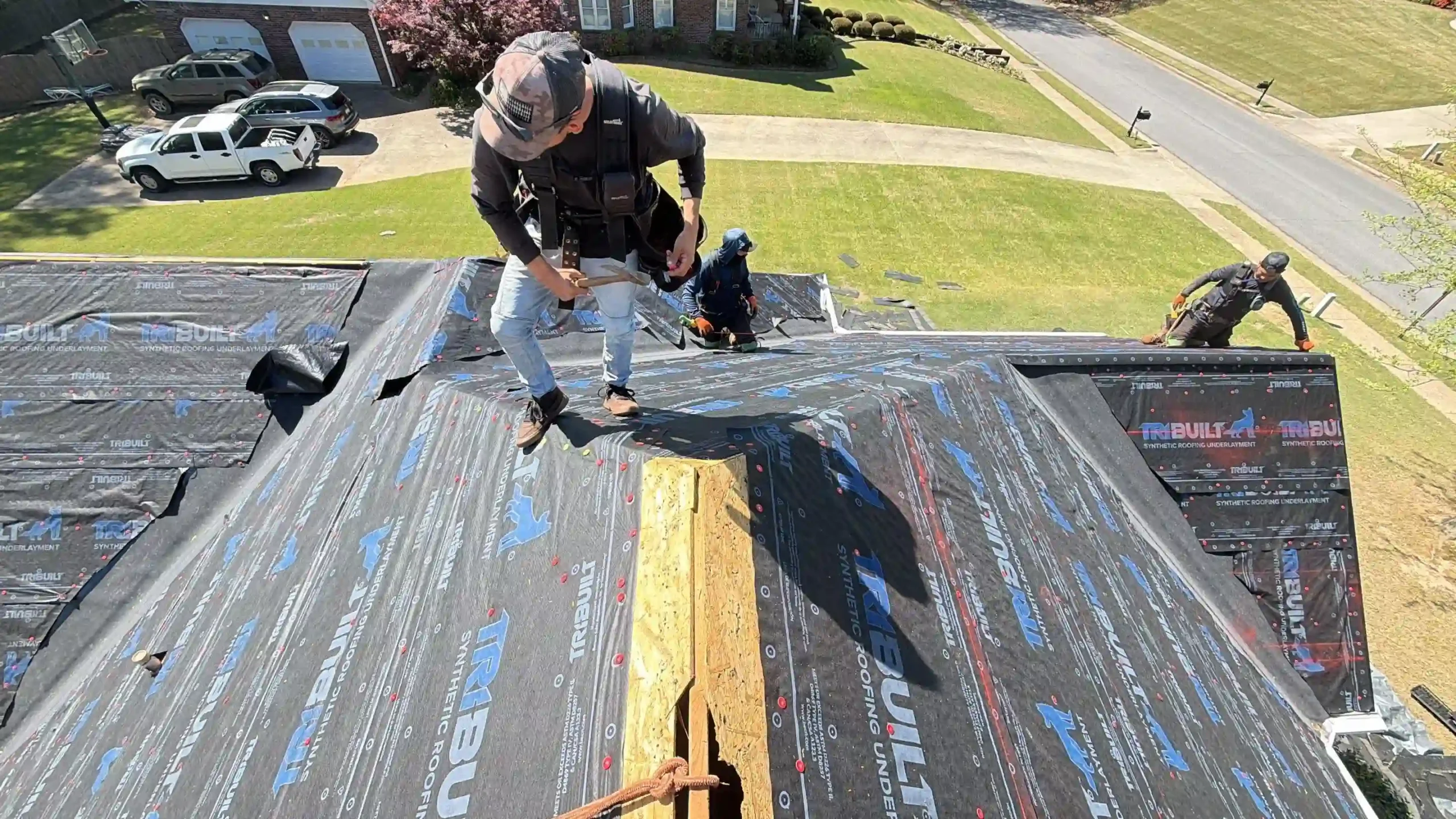
A simple gable roof is two planes and a ridge. Add hips, dormers, a chimney, skylights, multiple vent pipes and a few valleys and the same square footage takes noticeably longer, wastes more material in cuts, and needs more flashing detail. Complexity is where labor hours hide.
4. Existing layers and tear off
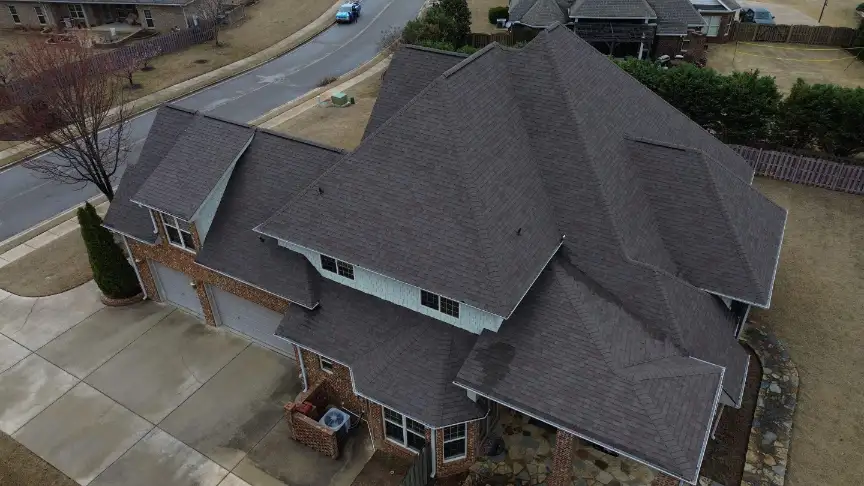
Removing one layer of shingles is routine. Removing two or three means more labor, more dumpster capacity and higher disposal fees. If a previous owner had a roof installed over the old one, that decision is now sitting in your estimate.
5. Decking condition
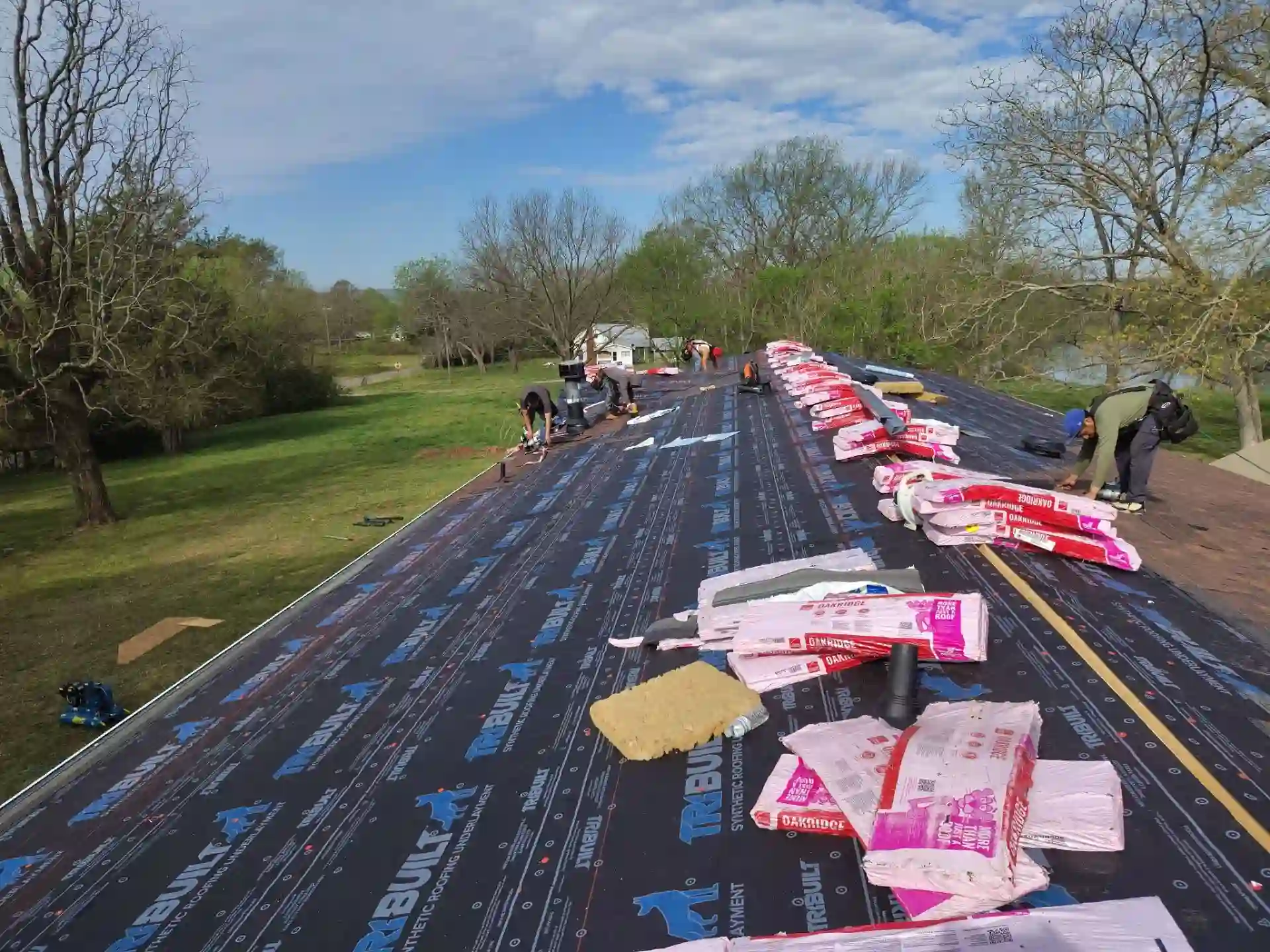
Nobody can see the sheathing until the shingles come off. That is why estimates carry a decking allowance, meaning a set number of sheets included, with a stated price per sheet after that. A roof over a long running leak can need a surprising amount of plywood. This is the single most common reason a final invoice differs from the original quote, and the reason to get the allowance in writing.
6. Material and product line
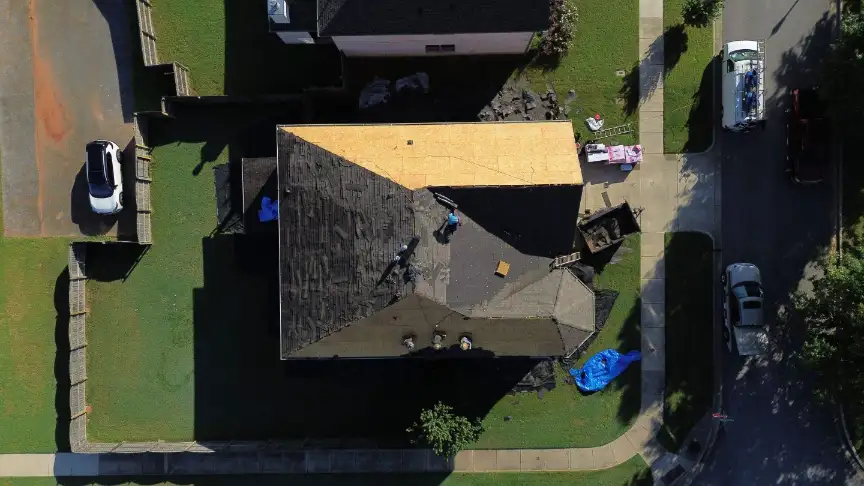
Three tab, architectural and designer shingles sit at different price points, and metal is a different conversation again. Within a single manufacturer, moving up a line changes both the material cost and the warranty available. If you are weighing systems rather than colors, our metal versus asphalt shingle comparison and our guide to the best roofing materials for the North Alabama climate cover that ground properly.
7. The accessories nobody puts on the brochure
Underlayment type, ice and water shield placement, drip edge, starter strip, ridge cap, pipe boots, step and counter flashing, and ridge or intake ventilation. Individually small, collectively meaningful, and the easiest place for a cheap bid to quietly save money. Ventilation in particular is not optional. It affects how long the shingles above it last.
8. Access, landscaping and site conditions
A driveway a dump trailer can back into is cheaper than a house where everything gets carried. Tight lots, mature landscaping that needs protecting, pools, fences and steep grades all add setup and cleanup time.
9. Disposal, permits and overhead
Landfill fees, permits where required, and the cost of carrying real liability and workers compensation insurance are all in the number. A contractor who is not carrying that insurance can quote lower. That gap is not a discount, it is exposure that moves onto you if someone is injured on your property.
10. Warranty tier
Extended manufacturer warranties usually require certified installation and a specific system of components. They cost more up front and cover more later. Worth understanding before you compare two totals, since a shorter warranty is a real difference in what you are buying.
| Factor | Why it moves the price | How much you control |
|---|---|---|
| Squares | Base measurement everything scales from | None |
| Pitch and height | Slower production, staging and safety gear | None |
| Complexity | Cut waste plus flashing labor | None |
| Layers to remove | Labor and disposal volume | None now, but avoid adding another |
| Decking repairs | Material and labor discovered at tear off | Indirect: fix leaks early |
| Shingle line | Material cost and warranty eligibility | High |
| Accessories and ventilation | System components and detail labor | Some, but do not cut these |
| Bundled work | One mobilization instead of two | High |
| Timing | Crew and material demand | Moderate |
What a complete quote should actually list
If a quote is one line and a total, you cannot compare it to anything. A useful estimate names:
- Squares and the measurement it is based on
- Tear off, how many layers, and disposal
- Decking allowance in sheets, plus the per sheet price after that
- Underlayment type and where ice and water shield goes
- Drip edge, starter, ridge cap and every flashing component being replaced rather than reused
- Ventilation, both exhaust and intake
- Shingle manufacturer, line and color
- Manufacturer warranty and the separate workmanship warranty, each with a term
- Cleanup, including magnetic sweep, and property protection
- Permit handling and payment schedule
Ask all three contractors to quote the same list. The spread usually shrinks, and whatever spread remains is now meaningful.
Nine ways to lower the number without lowering the roof
Get the scopes aligned before you compare totals
This is the highest leverage move on the list and it costs nothing. Once every quote covers the same components, contractors are competing on price for identical work instead of competing on what they left out.
Do not over specify for the house
A designer shingle on a house where nobody will ever see the roof from the street is money spent on something you will not experience. Architectural shingles handle Alabama weather well. Put the budget where it does work.
Bundle work that shares a mobilization
If your gutters are due anyway, doing them alongside the roof avoids paying twice for setup, and gutter apron and drip edge get integrated properly rather than retrofitted.
Check whether this is an insurance claim first
Storm, wind and hail damage is often covered, and normal wear generally is not. A documented inspection before you file tells you whether a claim is worth pursuing. Our insurance claim page explains how that process runs, and denied claims are worth a second look rather than an assumption.
Fix small leaks before they become decking
Every sheet of rotted plywood is material and labor added at tear off. A cracked pipe boot addressed this year is not four sheets of sheathing next year. Our post on the signs a roof needs repair before replacement covers what to watch for.
Time the job away from the rush
After a significant hail or wind event, every crew in the region is booked and material moves fast. If your roof is functioning and the replacement is planned rather than urgent, a quieter stretch of the calendar gives you more scheduling flexibility.
Keep the decisions simple once work starts
Change orders mid project are the most expensive way to buy anything. Pick the color from the shingle color options before the crew arrives, not while they are on the roof.
Ask about referral credit
If a neighbor is in the same position, our referral program is a straightforward way to bring the effective cost down.
Separate the price from the payment
These are two different problems and homeowners routinely solve the wrong one. If the total is fair and the timing is the obstacle, roof financing with a monthly payment is a cleaner answer than accepting a cheaper scope. Our guide on financing versus paying cash walks through when each makes sense.
The cheapest bid problem
A quote that comes in dramatically under the others is worth understanding rather than celebrating. The usual explanations:
- No tear off, shingles going over the existing layer
- Flashing and boots reused instead of replaced
- Ventilation left as is, or removed and not replaced
- No decking allowance, so plywood becomes a day one change order
- Thinner underlayment, or felt where synthetic was quoted elsewhere
- No liability or workers compensation insurance behind the crew
- A storm chaser working the area who will not be reachable in three years
Any of those can be a legitimate choice if you know you are making it. The problem is finding out at tear off. Our post on choosing a roofing contractor covers the verification steps, and licensing and insurance take one phone call to confirm.
Insurance claim or out of pocket
These paths produce different conversations about price. On a covered claim, your insurer sets the scope and pays their determined amount, and your cost is largely your deductible. Out of pocket, you control the scope entirely and every decision above is genuinely yours to make.
What matters is not guessing. An inspection tells you whether the damage is storm related or age related before anything gets filed. Coverage decisions belong to your insurer under your policy, but properly documented damage gets a fairer reading than a homeowner describing it over the phone.
Questions worth asking before you sign
- How many squares is this based on, and how was the roof measured?
- How many sheets of decking are included, and what is the price per sheet after that?
- Which flashing components are being replaced and which are being reused?
- What ventilation is included, exhaust and intake?
- What is the workmanship warranty term, and what does it cover?
- Who is on the roof, an in house crew or a subcontractor?
- Can I see current license and insurance certificates?
- What happens to my landscaping, and how is cleanup handled?
If you want the numbers behind all of this, our Huntsville roof replacement cost guide lays out current local ranges, and how long a roof lasts in Alabama is useful if you are still deciding whether replacement is due at all. If the damage is localized, our repair or replace guide is the better starting point.
Frequently asked questions
Why are roofing quotes for the same house so different?
Usually because the scopes are not the same. One may include full tear off, new underlayment, new flashing, ridge ventilation and a decking allowance while another assumes the deck is sound and reuses existing flashing. Compare the line items before comparing the totals.
Can I negotiate a roof replacement quote?
The labor and material behind a proper installation leave little room to simply discount. What you can adjust is the scope: the shingle line, whether gutters or siding are bundled into the same mobilization, the timing of the job, and the size of the decking allowance.
Does a steeper roof cost more to replace?
Yes. Steep slopes require staging, harnesses and slower movement, and crews cover fewer squares per day. Height matters too, since a second or third story adds setup, material handling and disposal time.
What is a decking allowance?
Rotted sheathing is only visible after tear off, so most estimates include an allowance for a set number of sheets, then a stated price per sheet beyond it. Ask for that number in writing so a surprise on day one is not a surprise on the invoice.
Is it cheaper to roof over existing shingles?
On day one, yes, because it skips tear off and disposal. It also hides rotted decking, adds weight, shortens the life of the new shingles and can limit manufacturer warranty coverage. On most homes the savings are not worth what they cost later.
Does the time of year change the quote?
Demand does. After a hail or wind event across North Alabama, crews and materials are stretched and scheduling gets tight. A replacement that is not an emergency is usually easier to schedule and plan around in a quieter stretch of the year.
Get a quote you can actually compare
Every estimate we write lists the scope line by line, including the decking allowance, so you can hold it next to anyone else’s and see exactly what is different. The inspection is free, it comes with photos, and if a repair will do the job we will tell you that instead.
See how our roof replacement process works, or call (256) 203-5638 and we will get someone out to look at it. If the timing is the problem rather than the price, our financing options start at zero down, subject to credit approval.
Serving Huntsville, Madison, Athens, Decatur and the surrounding North Alabama area.

Jordan is the founder and owner of Huntsville Roofing Solutions, a locally owned, fully licensed and insured roofing company serving Huntsville and North Alabama. He and roofing supervisor Barry Minor have handled residential and commercial roofs across the region — replacements, repairs, storm damage, and insurance claims — earning a 4.9-star Google rating along the way.