
Sometimes, but reusing old roof flashing during a replacement is not automatically the best choice. Sound metal at certain wall or chimney transitions may be reusable if a qualified roofer can inspect it and integrate it correctly with new underlayment and shingles. Bent, corroded, punctured or incompatible flashing should be replaced, and many pipe boots and skylight flashing assemblies are best renewed. The key is whether the entire water-shedding system will work after tear-off—not whether the old metal still looks shiny.
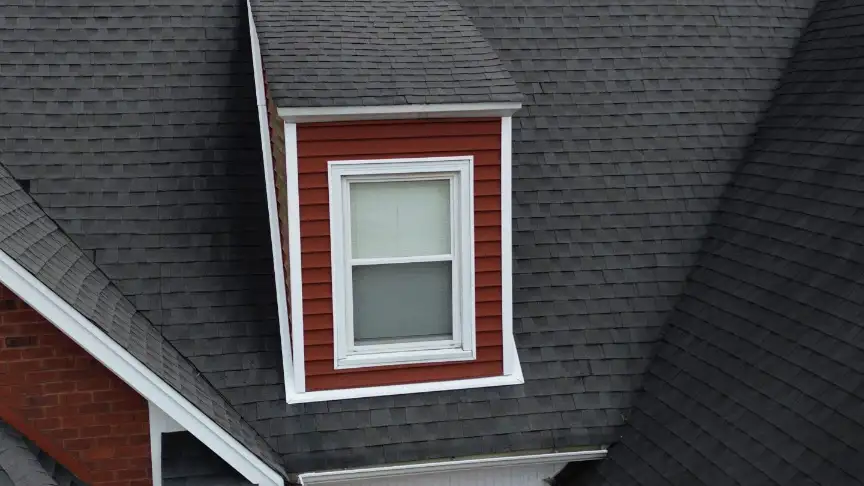
Which flashing can sometimes be retained?
Certain accessible counterflashing pieces at masonry walls may remain when they are firmly embedded, properly overlapped and in good condition. Step flashing that is woven between old shingles is harder to reuse correctly. A contractor should explain each retained piece and document its condition, rather than simply proposing to leave everything in place.
Reuse versus replacement: the trade-off
Reuse can save some material and disturbance, particularly around sound masonry. Replacement can reduce uncertainty where fastener holes, brittle sealants or mismatched dimensions are present. Saving a small amount today is poor value if it creates a leak behind a newly installed shingle system.
The right decision varies by component. Treat this table as a discussion guide, not permission to reuse a part without an on-roof assessment.
| Flashing component | When reuse might be considered | When replacement is generally preferable |
|---|---|---|
| Chimney counterflashing | Metal is sound, securely embedded or attached, correctly overlapped, and can remain integrated with new base or step flashing. | Rust, cracks, loose mortar attachment, holes, poor overlap, or an inability to integrate with the new system. |
| Step flashing at walls or dormers | Only if the pieces are undamaged, remain correctly sized for the new shingles, and can be reinstalled to the product instructions. | Pieces are bent, pierced or trapped during tear-off; the new shingle dimensions or layout require different flashing. |
| Plumbing vent boots and collars | Retaining an existing assembly requires specific confirmation of condition, fit, and compatibility; it should not be assumed. | Cracked or aged collars, looseness, damaged seals, or any uncertainty about integrating a new roof around the penetration. |
| Skylight flashing kit | Only where the skylight manufacturer explicitly permits it and an installer can satisfy the applicable instructions. | Old or damaged components, changed roof details, or a product-specific installation requiring a new matching kit. |
| Valley flashing and drip edge | Exceptionally sound metal may be evaluated if it meets the new roof design and installation requirements. | Wear, incompatible dimensions, damage during removal, or a need to inspect and rebuild the underlying water-shedding detail. |
For any reused metal, the roofer should document its condition and confirm that its likely remaining service life is appropriate for the new roof. Matching the new shingle system matters as much as the metal’s appearance.
Why sealant alone is not an adequate strategy
Caulk may provide a temporary seal, but properly designed flashing relies on overlap and gravity to direct water outward. Heat cycles, UV exposure and movement eventually challenge exposed sealants. Ask how the roofer will integrate flashing with the weather barrier beneath the roofing.
Chimneys, dormers, vents and skylights differ
A chimney may use step and counterflashing; a pipe typically uses a shaped boot or collar; a skylight often has a manufacturer-specific kit. These details are not interchangeable. A roof replacement estimate should identify important penetrations individually, especially if there has been a previous interior stain.
For the parts themselves, see our guide to what a roof pipe boot is and why it leaks. If a skylight is involved, the separate decision about replacing a skylight when replacing the roof should be considered before choosing a flashing kit.
What a written scope should say
The contract should say which flashings are being replaced, which are being retained and who corrects concealed corrosion or rot discovered during tear-off. Ask whether any reused pieces affect workmanship warranty terms. Photos of exposed details can make future questions easier to resolve.
Before accepting a bid that proposes reuse, ask the contractor for a written answer to these five questions:
- Which components? List each chimney, wall intersection, vent, valley and skylight detail separately rather than saying only “reuse existing flashing.”
- What evidence supports reuse? Request inspection photos, a description of metal condition and confirmation that removal will not damage the pieces.
- Will it fit the new materials? Ask how the flashing dimensions, overlaps, fastener locations and underlayment tie-ins comply with the chosen roofing system.
- What happens if hidden damage appears? Agree on the approval process for replacing deteriorated flashing or decking after tear-off.
- Who covers a future problem? Clarify workmanship responsibility and any manufacturer or enhanced-warranty requirements in writing.
Practical advice for Huntsville homeowners
Because wind-driven rain can exploit small gaps, prioritize well-integrated metalwork over cosmetic appearance. If the bid says simply “reuse existing flashing,” ask for clarification before authorizing the job. Reused components must be compatible with the new roofing design and manufacturer requirements.
For a manufacturer-specific reference, GAF’s technical bulletin on reusing metal flashing explains that reuse may be possible for metal in like-new condition but recommends replacement whenever practical. It also notes that damage attributed to reused flashing may fall outside the shingle limited warranty. Your actual roofing product and written warranty terms control; ask the installer which instructions apply.
Further reading and next steps
These published guides provide additional context for the decision and the parts of your roofing system involved:
- flashing and drip-edge fundamentals
- leaks around chimneys and skylights
- roof repair options
- line items in a roofing estimate
Huntsville Roofing Solutions serves homeowners in Huntsville and across North Alabama. For a problem that may be causing active water entry, request an inspection before selecting a repair or replacement scope. Observations described here are educational, not a diagnosis of your specific roof.

Jordan is the founder and owner of Huntsville Roofing Solutions, a locally owned, fully licensed and insured roofing company serving Huntsville and North Alabama. He and roofing supervisor Barry Minor have handled residential and commercial roofs across the region — replacements, repairs, storm damage, and insurance claims — earning a 4.9-star Google rating along the way.