A pipe boot is the flashing assembly that seals the gap where a plumbing vent pipe passes through a roof. Many versions use a metal or molded base beneath the shingles and a rubber or synthetic collar around the pipe. When that collar cracks, splits, loosens, or is installed incorrectly, rain can enter around the penetration even when nearby shingles look intact. The appropriate repair may be a correctly fitted replacement flashing assembly, not a bead of caulk applied over a failing boot. A roofer should assess the boot and surrounding shingles.
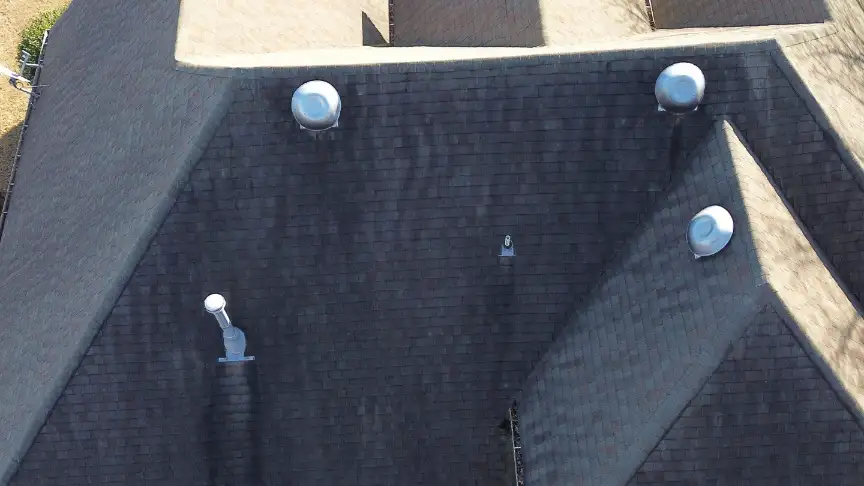
Where the pipe boot sits in the roof system
Plumbing vent stacks allow air into the drain-waste-vent system; the roof covering needs a weatherproof transition around each pipe. On an asphalt-shingle roof, the boot's base is normally integrated with shingle courses so upper layers shed water onto lower layers. The collar seals tightly around the pipe. The roof boot should not be confused with the plumbing pipe itself or with an attic ventilation vent; they perform different jobs.
What causes the seal to fail?
Sunlight, heat cycling, weather exposure, movement, and age can harden or split some collar materials. Damage from branches or animals can also occur. Improper sizing, exposed fasteners, and a base installed against the direction of water flow create additional leak paths. A split collar is common, but it is not the only reason water appears near a bathroom ceiling. The roofer should examine the full penetration and nearby roof details.
Rubber, metal, and specialty flashings
Boot designs vary. Some use a traditional elastomer collar; others rely on alternative flexible materials or metal detailing. Their suitable roof slopes, pipe sizes, expected maintenance, and installation methods can differ. A component sold as 'universal' still needs to fit the actual vent diameter and roofing assembly. Choose based on manufacturer compatibility, climate exposure, and a roof professional's judgment—not a generic claim that one material never deteriorates.
Why roofing cement alone is not a permanent solution
Caulk or roof cement may temporarily reduce water entry on an emergency basis, but coating an aged, cracked collar does not restore the original mechanical seal or correct defective flashing laps. Excess sealant can conceal the issue and complicate later repairs. If the boot is failing, ask about replacement with a correctly fitted unit and inspection of adjacent shingles. The repair should be documented with photographs and include a check for wet decking where accessible.
What a North Alabama homeowner can observe safely
From the ground, you may see vent pipes and obvious displaced flashing, but small collar splits are often invisible without close access. Indoors, note stains near the vent stack and whether they recur after rain. Do not step onto steep shingles or pull at the pipe to test it. A plumbing vent leak can resemble a nearby flashing or valley leak because water follows framing before appearing on drywall.
What to ask after the boot is repaired
Request the replacement product or method, the approximate roof location, photographs before and after, and any observations about surrounding shingles or decking. Confirm whether the contractor inspected other similar boots of the same apparent age. One failed collar may indicate that others are weathering too, but blanket replacement is not always necessary. A good report separates the confirmed failure from preventive recommendations, with a clear plan for future inspections.
Further reading and next steps
For the related decisions and roofing components, these published Huntsville Roofing Solutions guides offer additional context:
- roof flashing and weather barriers explained
- roof repair service
- inspection frequency for roof accessories
- heavy-rain leak patterns and causes
Industry reference: GAF guide to preventing vent-pipe leaks. Confirm product-specific instructions and applicable local requirements before making changes.
Huntsville Roofing Solutions serves Huntsville and surrounding North Alabama communities. An educational article cannot diagnose a particular roof without inspection; a repair recommendation should be supported by observed conditions, appropriate materials, and a written scope.
Jordan is the founder and owner of Huntsville Roofing Solutions, a locally owned, fully licensed and insured roofing company serving Huntsville and North Alabama. He and roofing supervisor Barry Minor have handled residential and commercial roofs across the region — replacements, repairs, storm damage, and insurance claims — earning a 4.9-star Google rating along the way.