
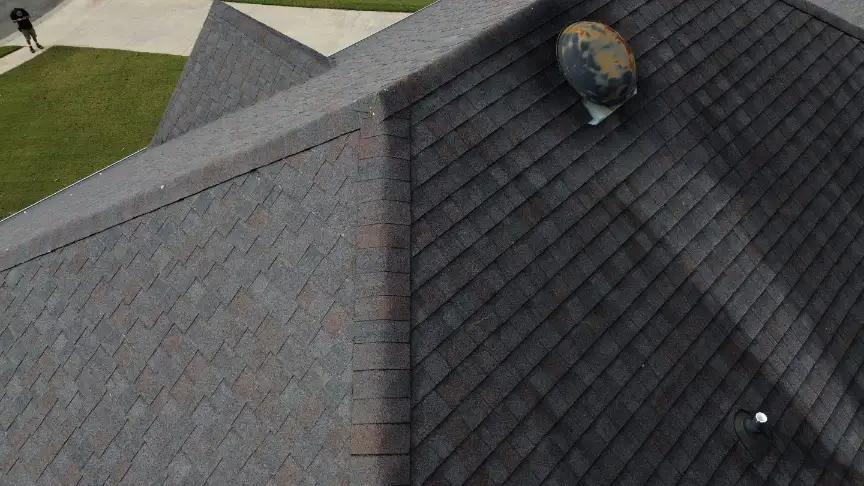
A satellite dish mounted through your shingles may need to be removed before a roof replacement and reinstalled afterward. Roofers should not assume they can detach and reconnect an active dish without coordinating with the homeowner or service provider. The old mounting holes must be addressed as part of the new roof system, and any new attachment must be properly flashed and sealed. Dish alignment may change after removal, so professional recalibration or provider service can be necessary to restore reception.
What typically happens before tear-off
The roofing estimator should record whether the dish is mounted to the roof, fascia, wall or a separate pole. A roof-mounted bracket is more likely to interfere with shingles and underlayment. Tell the crew whether the dish is still used; an abandoned unit may be removed permanently with your permission.
Before the installation date, agree on who will detach the mount, protect or disconnect the cable, store the equipment, repair the old mounting area, and arrange any necessary service-provider visit. A roofing crew’s ability to remove a bracket does not necessarily include technical service reconnection or signal alignment. Put the division of work in the roofing scope rather than assuming it is included.
Reuse the dish or move it off the roof?
Reusing a functional dish may be easiest if the provider supports the mounting arrangement. Moving it to a wall or pole can reduce future roof penetrations, but line-of-sight and signal requirements may limit options. Ask the provider about installation eligibility and any fees before choosing.
These are the main options for an existing roof-mounted dish. The right choice depends on the provider, site access, signal requirements and the new roofing system.
None of these options guarantees uninterrupted service. For example, DIRECTV’s installation guidance explains that its professional installers select locations based on an unobstructed view of the southern sky. Ask your own provider what applies to your dish and account.
Waterproofing the old attachment holes
Old mounting screws may have penetrated shingles and decking. Simply covering them with caulk is not a full reroofing detail. The roofer should repair affected underlayment or deck material as appropriate and avoid leaving abandoned fastener holes exposed to rainfall.
Have the roofer document where the original base and cable fasteners entered the roof. Where the mount is removed during a full tear-off, the exposed deck can be inspected and any damaged material repaired before the new underlayment and shingles are installed. If a dish is remounted, request written confirmation of how the new attachment is flashed or otherwise weatherproofed in accordance with the roof system and mounting hardware instructions.
Who should reconnect and aim it?
Some roofers remove mounting hardware but do not handle cabling, service activation or precise alignment. A satellite installer may need to inspect the signal path and reconnect equipment. Assign responsibility in writing so an otherwise finished roof does not leave the household without television or data access.
Ask whether television service will be interrupted and whether the installer can return promptly after the roofing work. Do not assume a roofer will reconnect coaxial cables or restore satellite reception. If a dish is moved even slightly, the provider may need to test and adjust its alignment; fees and appointment availability depend on the service arrangement.
What if the dish is attached to a chimney?
The roofers still need safe clearance, but the mounting arrangement may not have to be disturbed. Check for cable clips that penetrate shingles, deteriorated sealant at cable entries, and obstructed flashing. Keep all cable handling coordinated with the equipment provider.
A pre-job satellite checklist
Photograph the mounting location and cables, note the account provider, schedule any required technician and discuss whether the dish will be reattached. Do not climb onto the new roof to realign it yourself; falling is a serious hazard.
Use this checklist before approving the reroofing schedule:
- Service status: Is the dish active, unused, leased or owned? Does the provider need notice before work?
- Location choice: Will the existing position be retained, will the dish move to a wall or pole, or will it be retired?
- Roof scope: Who removes the old hardware and repairs the old fastening points or damaged decking?
- New mount: If the dish goes back on the roof, who approves the new mounting and waterproofing method?
- Signal restoration: Who arranges the satellite installer, pays any realignment charge, and confirms reception works afterward?
- Written handoff: Does the quote name the responsible party and any excluded equipment work?
Keep photographs of the old and new mounting locations with the roofing paperwork. If the work is part of a larger exterior project, also review our roof replacement service for the overall project scope. Do not climb the roof or handle energized or unfamiliar equipment yourself.
Further reading and next steps
These published guides provide additional context for the decision and the parts of your roofing system involved:
- preparing for shingle removal
- a roof replacement workday
- roof flashing and water-barrier details
- repairing roof mounting points
Huntsville Roofing Solutions serves homeowners in Huntsville and across North Alabama. For a problem that may be causing active water entry, request an inspection before selecting a repair or replacement scope. Observations described here are educational, not a diagnosis of your specific roof.

Jordan is the founder and owner of Huntsville Roofing Solutions, a locally owned, fully licensed and insured roofing company serving Huntsville and North Alabama. He and roofing supervisor Barry Minor have handled residential and commercial roofs across the region — replacements, repairs, storm damage, and insurance claims — earning a 4.9-star Google rating along the way.